


Orders

Profile

What is the common cause of food aversions during the pregnancy period and ways to manage it?
 307 Likes|
 4 min
4 min

Obstetrician & Gynecologist · 41 years experience
"Sardi mein pasina lage na bhookh na pyas lage", this song beautifully describes the crazy changes that occur during pregnancy. Sometimes you like some food and, on another occasion, you don't feel like eating it. These changes are expected, especially during the initial stages of pregnancy, as the hormones are changing. A typical occurrence during pregnancy is an aversion to food. You may develop a disliking for food items you enjoyed before, and it may get annoying if you're unable to enjoy your meals properly.
Food aversions during pregnancy
Food aversions during pregnancy are when pregnant women experience a strong dislike or repulsion towards certain foods. These aversions can occur at any time during pregnancy, but they are most common during the first trimester when hormonal changes are at their highest.
Also read: Can Pregnancy Cravings Affect Your Baby's Food Choices?
Common food aversions
Some of the most commonly reported food aversions during pregnancy include:
- Meat: Many women report aversions to the smell or taste of meat, particularly beef and pork.
- Fish: Some women may experience aversions to fish, especially if it has a solid or distinct flavour.
- Dairy products: Milk, cheese, and other dairy products may be unappealing to some women during pregnancy.
- Spicy or strong-flavoured foods: Foods with solid flavours or spices may cause nausea or discomfort in some women.
- Coffee and other caffeinated drinks: Some women may develop an aversion to coffee or other caffeinated beverages, possibly due to the strong taste or smell.
- Certain fruits and vegetables: Some women may experience aversions to certain fruits or vegetables, especially those with strong smells or tastes.
You may have an aversion towards a specific food item and later develop a craving for some. However, some of the most common dislikes include:
- Caffeine
- Eggs
- Meat
- Milk
- Onion and Garlic
- Spicy food
Causes of food aversions
The exact cause is unknown; however, the following factors may be responsible for it:
1. Hormonal fluctuations - These can result from the changes your body undergoes, with hormonal changes being one of them. The rising amount of Human Chorionic Gonadotropin (HCG) hormone can be held responsible for cravings and food aversion.
2. Nausea is expected during the early months of pregnancy and can be held responsible for food avoidance.
3. Prophylaxis or Maternal & Embryonic protection - The hypothesis suggests that a pregnant woman's body performs a beneficial function by expelling food items which may contain harmful micro-organisms and toxins, resulting in aversion to foods throughout pregnancy.
How to deal with food aversions?
There is no way to prevent this condition. However, you can manage the aversion by listening to your body and understanding its requirements.
To manage food aversion, you can ensure the following:
1. Avoid staying hungry for more extended periods. An empty stomach can make you feel nauseous and develop an aversion to food.
2. Focus on healthy eating and take small meals at regular intervals.
3. If you have an aversion to a particular food item, find a substitute for it.
4. Avoid indulging in unhealthy food items that aren't good for you and the baby.
5. Consult your doctor on how to meet your dietary requirements and whether you need to supplement your diet with any prenatal vitamins.
To sum-up
It's important to note that food aversions during pregnancy are normal and typically don't pose any health risks to the mother or baby. However, suppose a woman is experiencing severe food aversions affecting her ability to eat a balanced diet. In that case, she should talk to her healthcare provider for guidance on how to manage them.
 Yes
Yes
 No
No
Your parenting partner
in your pocket.
supportive community.

Your parenting partner
in your pocket.
supportive community.


Article Posted Under
Helpful Tools & Calculators
.webp&w=32&q=75)













One of the leading gynaecologists of Delhi, Dr. Kusum Sabharwal has established the clinic and has gained a loyal clientele over the past few years and is also frequently visited by several celebrities, aspiring models and international patients. The efficiency, dedication, precision and compassion offered at the clinic ensure that the patient's well-being, comfort and needs are kept of top priority. The clinic is equipped with latest types of technology.
Related Articles
Pani Puri During Pregnancy: Is It Safe? Hygiene Risks & Homemade Alternatives
 14·9 min
 What is a High Risk Pregnancy: Causes, Types, Warning Signs & Management
 1·7 min
 Eating Spicy Food During Pregnancy: Is it Safe or Not?
 10·4 min
 Fennel Seeds (Saunf) in Pregnancy: Benefits, Risks & Safe Intake (2026)
 3·8 min
Related Videos

I Only Ate Pregnancy Food Cravings For 24 Hours!!! | For more such weird funny videos, join "Just for Laughs" group ?

5 Easy Porridge Recipes for Babies
Pregnancy Tips - 1St Trimester Cooking & Nutrition
Good Pregnancy Food | Parents
11 Mistakes Every Woman Should Avoid During Pregnancy
Questions about this article
- Asked when 9 weeks pregnant
I m pregnant but not feel like vomiting or nausea from starting is it normal
- Asked when 25 weeks pregnant
hai..i am 24 week pregnant.i cant drink milk ..what to do ..can i drink milk with boost or milk with oats like mixing in other food items??
Related Topics
.webp&w=32&q=75)
Recently Published Articles
Your body needs extra nutrition this trimester - these can help.
Till what age do babies typically start talking?
Are you Concerned about rectal bleeding in your pregnancy? Here're some relief tips for you!

Diagnosis and Treatment of Vaginal infections during pregnancy to prevent any complications

8 Ways to Empower Women with Digitalisation this International Women's Day
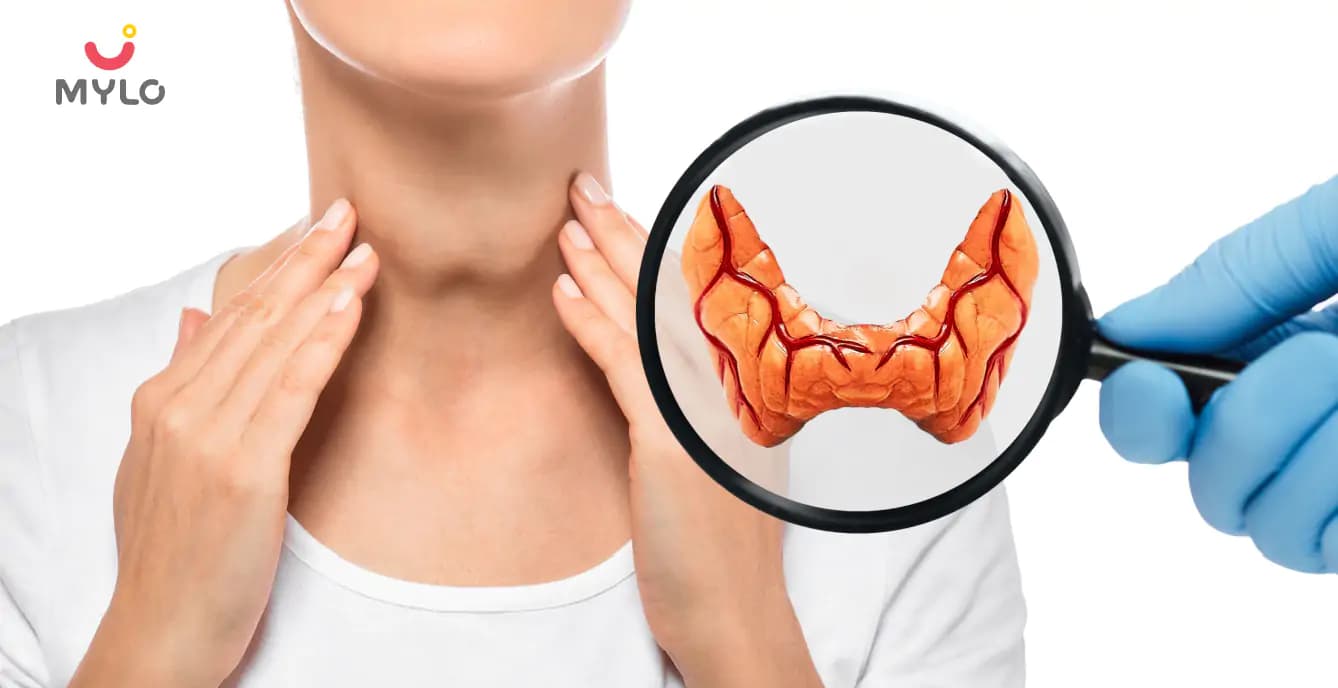
Navigating Hypothyroidism and Pregnancy: Tips for Expecting Moms
Medical Disclaimer
This content is for informational purposes only and should not replace professional medical advice. Consult with a physician or other health care professional if you have any concerns or questions about your health. If you rely on the information provided here, you do so solely at your own risk.


AWARDS AND RECOGNITION

Mylo wins Forbes D2C Disruptor award

Mylo wins The Economic Times Promising Brands 2022
AS SEEN IN












- Mylo Care: Effective and science-backed personal care and wellness solutions for a joyful you.
- Mylo Baby: Science-backed, gentle and effective personal care & hygiene range for your little one.
- Mylo Community: Trusted and empathetic community of 10mn+ parents and experts.


Product Categories
Baby Carrier | Baby Soap | Baby Wipes | Stretch Marks Cream | Baby Cream | Baby Shampoo | Baby Massage Oil | Baby Hair Oil | Stretch Marks Oil | Baby Body Wash | Baby Powder | Baby Lotion | Diaper Rash Cream | Newborn Diapers | Teether | Baby Kajal | Baby Diapers Pants | Cloth Diapers | Laundry Detergent | Lactation Granules |