

Orders

Profile

Till what age do babies typically start talking?
 3 Likes|
 5 min
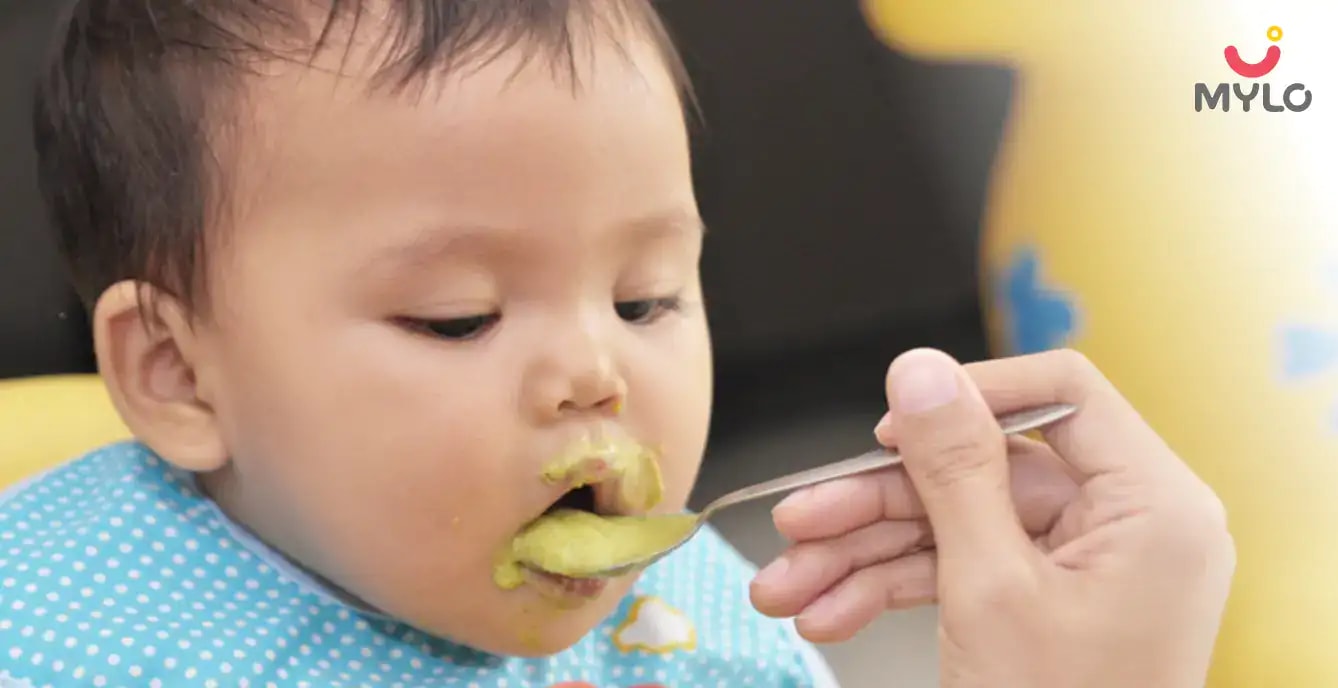
5 minThere can be no other sounds as sweet as the babbles of an infant. Most first-time parents look forward to listening to the first word of their baby, who are expected to babble and coo a few sounds as early as they are four months of age. Critical milestones in the baby's language development begin in the first three years of life when the baby's brain is also developing rapidly. While evertime your baby opens his/her mouth you wish to hear mumma/papa but let them grow at their own pace and do not force anything on your little munchkin.
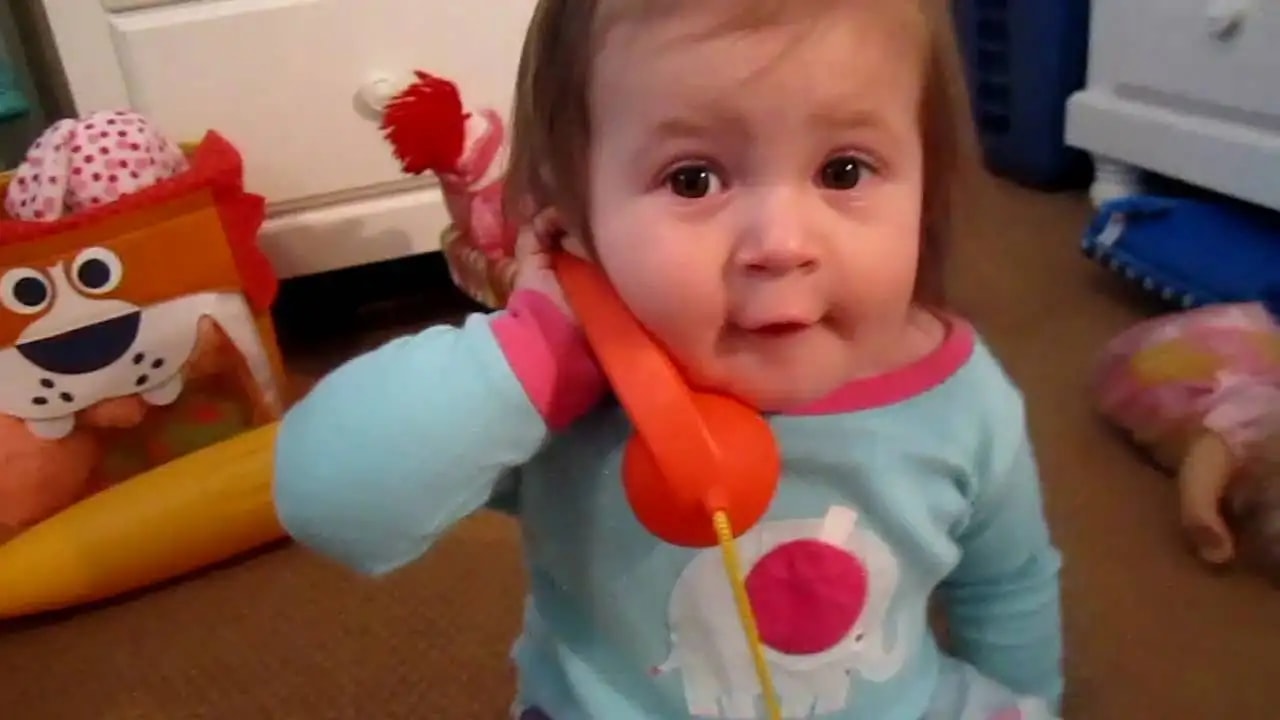
Babies typically begin to say their first words between 10 and 14 months of age, although some babies may begin to speak as early as six months or as late as 18 months. By age 2, most children have a vocabulary of several hundred words and can communicate using simple sentences. However, it's important to note that every child develops at their own pace, and some children may reach developmental milestones earlier or later than others. It's also important for parents to talk and read to their babies from an early age to promote language development.
Babies' first words
The first words a baby says can vary widely and depend on various factors, including the child's environment, exposure to language, and individual development. Some common first words that babies may say include "mama," "dada," "bye-bye," "hi," "no," "uh-oh," and "ball." However, it's important to note that not all babies will say these words as their first words, and some may develop their own unique first words based on their experiences and environment. Additionally, some babies may only say their first words after their first birthday, which is also considered normal.
When to expect the baby's first word:
The baby begins to show grimaces, squirms, and cries soon after birth to express their needs, emotions, and frustration. Parents also learn to interpret and understand the different sounds their babies can make. The different milestones that pertain to baby's talks are as follows.
At three months: The baby turns towards voices, music, and sound. By the end of three months, the baby begins to coo happy and gently repetitive sounds.
At six months: By six months, the baby babbles monosyllables such as ba-ba, dada, etc. These are random syllables with no real meaning. They respond to their name and recognize their mother tongue.
At nine months: The baby begins to use a range of consonant sounds with different tones of voice.
At 12-18 months: The baby speaks many simple words and can recognize people and things by name. They can attempt simple words like mama, dada, etc. They repeat words and sounds they hear, but not in a meaningful way.
By two years: The baby can string together a few words and form short phrases of two to four words. They learn and understand the meanings of abstract things like 'mine.'
By three years: The baby's vocabulary expands tremendously, and they learn to speak many new words in their mother tongue.
The involvement of the parents and other significant people in the family plays a major role in the child's language development. Kids of active parents learn to speak earlier and better than other babies.
Also read: Top 5 Ways in Which Baby Toys Help in Your Little One’s Growth & Development
How to develop speech in babies?
There are several ways you can encourage babies to speak more:
-
Talk to them often: Babies learn language by listening to and mimicking the sounds they hear. Talk to your baby often, using simple words and sentences, and encourage them to respond with babbling and other sounds.
-
Read to them: Reading to your baby can help them develop language and communication skills. Choose books with simple words and colorful pictures, and engage with your baby by pointing to pictures and asking them questions.
-
Play with them: Playtime is a great opportunity to encourage your baby to speak more. Use simple words to describe the toys and objects you are playing with, and encourage your baby to respond with their sounds and words.
-
Sing songs and nursery rhymes: Singing to your baby can help them learn new words and sounds and can also be a fun way to bond with your baby.
-
Provide a language-rich environment: Expose your baby to different words and sounds by talking to them throughout the day, using descriptive words to label objects and actions, and providing opportunities for them to interact with other children and adults.
Remember that every baby develops at their own pace, and it's important to be patient and supportive as they learn and grow.
 Yes
Yes
 No
No
Your parenting partner
in your pocket.
supportive community.

Your parenting partner
in your pocket.
supportive community.


Article Posted Under
Helpful Tools & Calculators

.webp&w=32&q=75)











Official account of Mylo Editor
Related Articles

Related Videos
Baby’s brain development: 0-3 months

Age 3 Language Milestones | Child Development

When to worry about speech delay in toddlers? - Dr. Satish Babu K
hearing and listening development
Activity in Week 108
Questions about this article
- Asked when 38 weeks pregnant
Hello frnds..still no pain...doctor said head fix nhi hua hai..bt vagina me pain hai aur back pain bhi... anyone having same issues??
- Asked when 23 weeks pregnant
Kon kon c chije aisi hai jo pregnancy mei gas acidity jalan karti hain... Koi btayega plz bcz mujhe aksar khane ke baad hi samagh aata hai ki is chij se gas acidity jalan ho gyi hai. Please share your knowledge
- 14 weeks pregnant
I am 13 week pregnancy. Anyone having Storione-xt tablet. It better to have morning or night ???
- Asked when 10 weeks pregnant
Hlo to be moms....i hv a query...in my 9.5 wk i feel body joint pain like in ankle, knee, wrist, shoulder, toes....pain intensity is high...i cnt sleep....what should i do pls help....cn i cosult my doc.
- Asked when 33 weeks pregnant
Influenza and boostrix injection kisiko laga hai kya 8 month pregnancy me and q lagta hai ye plz reply me
Related Topics
.webp&w=32&q=75)
Recently Published Articles
Your body needs extra nutrition this trimester - these can help.
Are you Concerned about rectal bleeding in your pregnancy? Here're some relief tips for you!

Diagnosis and Treatment of Vaginal infections during pregnancy to prevent any complications
8 Ways to Empower Women with Digitalisation this International Women's Day
Navigating Hypothyroidism and Pregnancy: Tips for Expecting Moms
Top 10 Post-Holi Detox Tips to Cleanse Your Body
Medical Disclaimer
This content is for informational purposes only and should not replace professional medical advice. Consult with a physician or other health care professional if you have any concerns or questions about your health. If you rely on the information provided here, you do so solely at your own risk.


AWARDS AND RECOGNITION

Mylo wins Forbes D2C Disruptor award

Mylo wins The Economic Times Promising Brands 2022
AS SEEN IN












- Mylo Care: Effective and science-backed personal care and wellness solutions for a joyful you.
- Mylo Baby: Science-backed, gentle and effective personal care & hygiene range for your little one.
- Mylo Community: Trusted and empathetic community of 10mn+ parents and experts.


Product Categories
Baby Carrier | Baby Soap | Baby Wipes | Stretch Marks Cream | Baby Cream | Baby Shampoo | Baby Massage Oil | Baby Hair Oil | Stretch Marks Oil | Baby Body Wash | Baby Powder | Baby Lotion | Diaper Rash Cream | Newborn Diapers | Teether | Baby Kajal | Baby Diapers Pants | Cloth Diapers | Laundry Detergent | Lactation Granules |