


Orders

Profile

Postpartum Sterilization: Procedure & Complications
 5 min
5 minWhat is Sterilization?
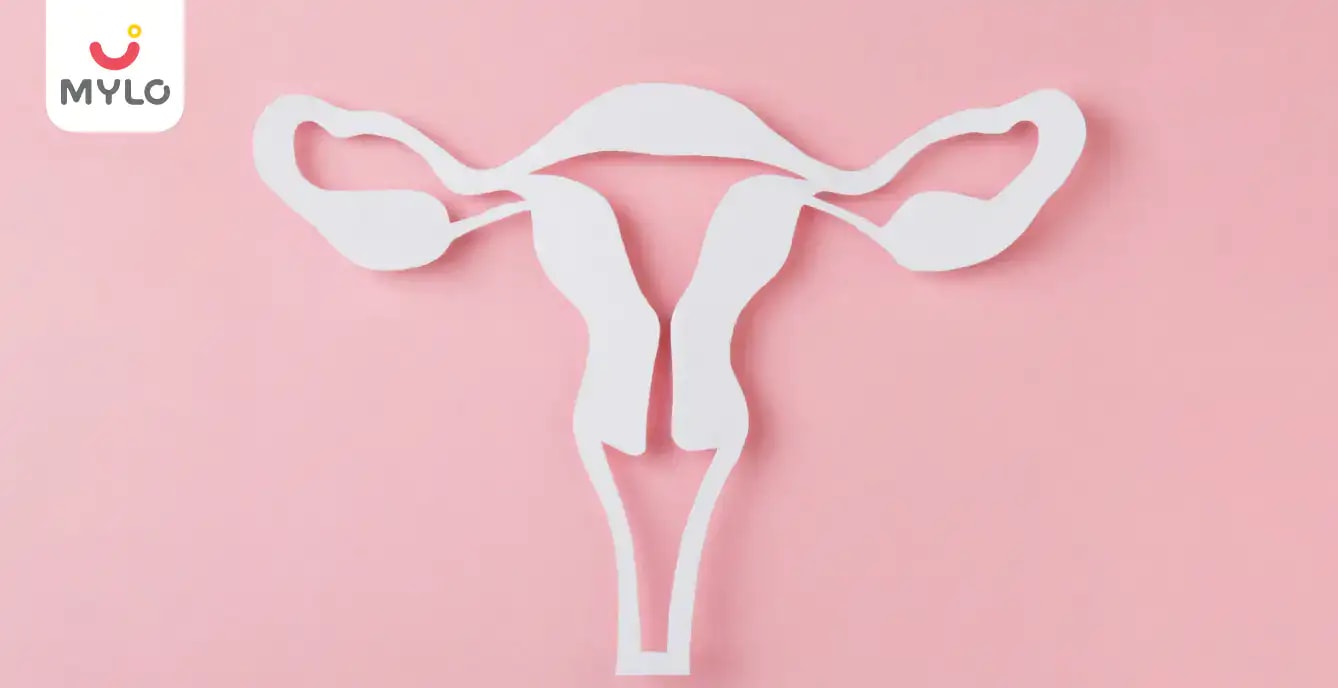
Sterilization is a form of permanent birth control. It prevents fertilization by blocking the fallopian tubes. Sterilization is different from other methods of contraception in that it is a permanent procedure. While other methods of contraception allow for a future pregnancy, sterilization does not. However, on the other hand, sterilization does not involve hormones.
Sterilization is usually recommended for people who are sure that they do not want any (more) children. The article discusses what is postpartum sterilization, how it is performed, its advantages, and some common postpartum sterilization complications.
What is Postpartum Sterilization?
Postpartum sterilization is surgery performed soon after a woman gives birth via cesarean (or within 8 to 12 hours of vaginal delivery). It is a permanent form of birth control. The most common type of postpartum sterilization is called tubal ligation. This surgery involves tying or cutting the fallopian tubes. This prevents eggs from traveling from the ovaries to the uterus. Postpartum sterilization is a safe and effective way to prevent pregnancy. Talking to a doctor about this surgery is essential before opting for it.
What are the Advantages of Postpartum Sterilization?
Postpartum sterilization has a number of advantages, including:
-
It is a highly effective form of contraception, with a failure rate of 1.85% over a period of 10 years.
-
It is a permanent form of contraception, so further concerns are not an issue for the rest of your life.
-
It does not interfere with breastfeeding.
-
There is no need for ongoing contraception, saving money in the long run.
-
The procedure is done immediately after giving birth, so waiting is unnecessary.
-
It is a safe and minimally invasive surgery.
-
It does not require regular check-ups or maintenance.
How is Postpartum Sterilization Performed?
Postpartum sterilization is a surgical procedure where the fallopian tubes are blocked or sealed, preventing the eggs from reaching the uterus. Doctors can do it through a small abdominal incision or laparoscopically (keyhole surgery).
Other postpartum sterilization methods include devices placed into the fallopian tubes, such as coils or clips. These work by causing scarring or blockages that prevent the eggs from passing through (most of such processes are discontinued).
What are the Various Methods of Postpartum Sterilization?
There are various postpartum sterilization procedures, each with its advantages and disadvantages. The most common method is tubal ligation, a permanent contraceptive form.
It is usually performed under general anesthesia and involves making a small incision in the abdomen to access the fallopian tubes. The tubes are blocked or cut so the eggs can no longer travel through them. Tubal ligation is performed within 8 to 12 hours of vaginal delivery, and in the case of cesarean birth, it is performed at the time of c-section.
There are also some non-surgical methods of postpartum sterilization, such as the copper IUD. The IUD is a temporary contraception inserted into the uterus after delivery. It works by causing an inflammatory response in the uterine lining, which makes it difficult for the eggs to implant.
What are the Side Effects of Postpartum Sterilization?
There are also some potential side effects of postpartum sterilization to be aware of, such as:
-
Abdominal pain.
-
Infection.
-
Nausea.
-
Dizziness.
-
Bleeding.
-
Blood clots.
-
Tubal ligation syndrome (a rare condition that can cause pelvic pain, menstrual irregularities, and other symptoms).
Overall, postpartum sterilization is a safe and effective way to prevent future pregnancies. When considering this procedure, discuss it with a doctor to ensure it is suitable for specific needs.
What are the Complications Associated with Postpartum Sterilization?
The postpartum sterilization procedure is a permanent method of contraception. So women must be sure they do not want any more children before undergoing the procedure. It is also essential to know that some postpartum sterilization complications are involved with any surgery, such as infection and bleeding. However, these risks are usually very low, and the overall procedure is considered safe.
When should Sterilization be Avoided?
Postpartum sterilization is carried out mainly due to the fear of additional pregnancies or after cesarean sections. However, there are grounds why women should avoid it. For example, if a woman has had previous pregnancy complications or if it is the woman’s first child, she may not be a good candidate for a postpartum sterilization procedure. Furthermore, if the mother experiences complications during delivery or the mother’s health is not good, it is highly advised to avoid postpartum sterilization.
 Yes
Yes
 No
No
Your parenting partner
in your pocket.
supportive community.

Your parenting partner
in your pocket.
supportive community.


Article Posted Under
Helpful Tools & Calculators

.webp&w=32&q=75)















Ishmeet is an experienced content writer with a demonstrated history of working in the internet industry. She is skilled in Editing, Public Speaking, Blogging, Creative Writing, and Social Media.
Related Articles




Questions about this article
- Asked when 38 weeks pregnant
Hello frnds..still no pain...doctor said head fix nhi hua hai..bt vagina me pain hai aur back pain bhi... anyone having same issues??
- Asked when 23 weeks pregnant
Kon kon c chije aisi hai jo pregnancy mei gas acidity jalan karti hain... Koi btayega plz bcz mujhe aksar khane ke baad hi samagh aata hai ki is chij se gas acidity jalan ho gyi hai. Please share your knowledge
- 14 weeks pregnant
I am 13 week pregnancy. Anyone having Storione-xt tablet. It better to have morning or night ???
- Asked when 10 weeks pregnant
Hlo to be moms....i hv a query...in my 9.5 wk i feel body joint pain like in ankle, knee, wrist, shoulder, toes....pain intensity is high...i cnt sleep....what should i do pls help....cn i cosult my doc.
- Asked when 33 weeks pregnant
Influenza and boostrix injection kisiko laga hai kya 8 month pregnancy me and q lagta hai ye plz reply me
Related Topics
.webp&w=32&q=75)
Recently Published Articles
Your body needs extra nutrition this trimester - these can help.
গর্ভাবস্থায় আলুবোখরা: উপকারিতা ও ঝুঁকি | Prunes During Pregnancy: Benefits & Risks in Bengali
স্তনের উপর সাদা দাগ: লক্ষণ, কারণ এবং চিকিৎসা | White Spots on Nipple: Causes, Symptoms, and Treatments in Bengali

গর্ভাবস্থায় মাছ: উপকারিতা এবং ঝুঁকি | Fish In Pregnancy: Benefits and Risks in Bengali

গর্ভাবস্থায় রেড ওয়াইন: পার্শ্ব প্রতিক্রিয়া এবং নির্দেশিকা | Red Wine During Pregnancy: Side Effects & Guidelines in Bengali
ইনার থাই চ্যাফিং: কারণ, উপসর্গ এবং চিকিৎসা | Inner Thigh Chafing: Causes, Symptoms & Treatment in Bengali
Medical Disclaimer
This content is for informational purposes only and should not replace professional medical advice. Consult with a physician or other health care professional if you have any concerns or questions about your health. If you rely on the information provided here, you do so solely at your own risk.


AWARDS AND RECOGNITION

Mylo wins Forbes D2C Disruptor award

Mylo wins The Economic Times Promising Brands 2022
AS SEEN IN












- Mylo Care: Effective and science-backed personal care and wellness solutions for a joyful you.
- Mylo Baby: Science-backed, gentle and effective personal care & hygiene range for your little one.
- Mylo Community: Trusted and empathetic community of 10mn+ parents and experts.


Product Categories
Baby Carrier | Baby Soap | Baby Wipes | Stretch Marks Cream | Baby Cream | Baby Shampoo | Baby Massage Oil | Baby Hair Oil | Stretch Marks Oil | Baby Body Wash | Baby Powder | Baby Lotion | Diaper Rash Cream | Newborn Diapers | Teether | Baby Kajal | Baby Diapers Pants | Cloth Diapers | Laundry Detergent | Lactation Granules |