


Orders

Profile

Infected Umbilical Cord: Symptoms, Treatment And Prevention
 7 min
7 min
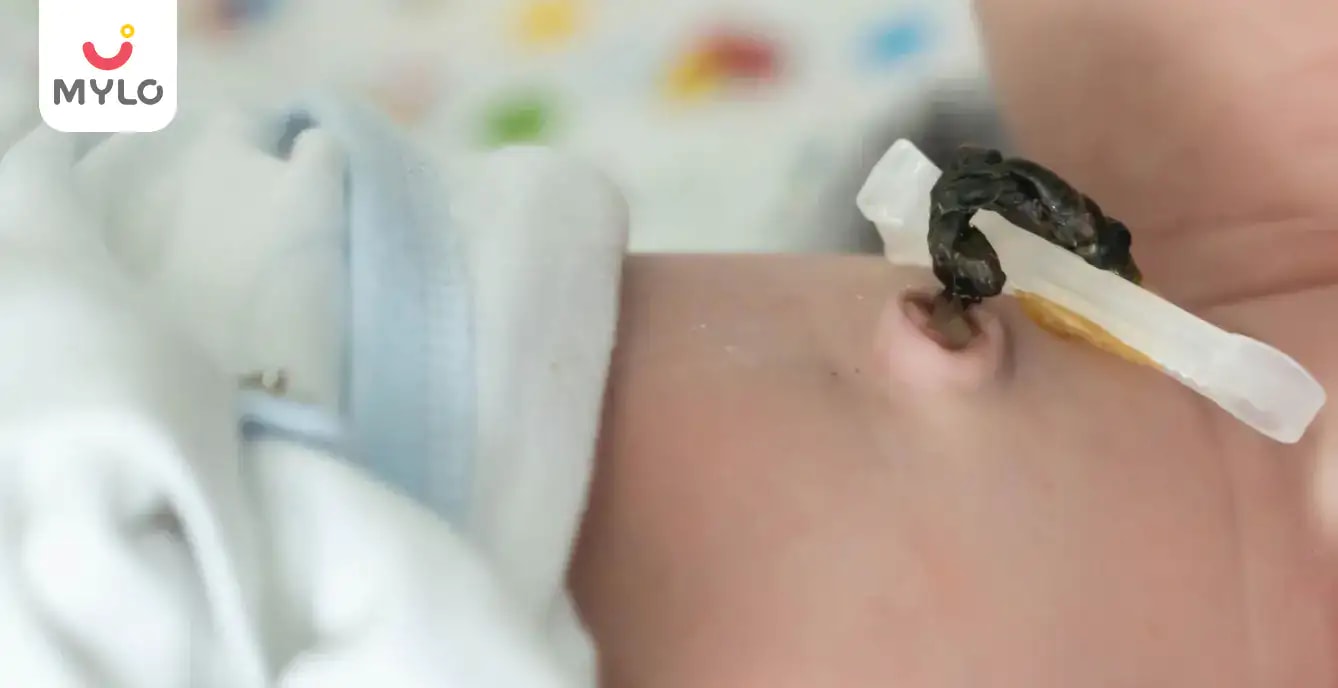
The umbilical cord is a tough, flexible cord that transmits nutrients and blood from pregnant women to babies during pregnancy. After delivery, the cord, which has no nerve endings, is clamped to prevent bleeding and cut close to the navel, leaving a stub. During delivery and the clamping and cutting procedure, gets can invade the cord and result in infection.
Infection of the umbilical cord stump is known as omphalitis. Infections in newborn infants remain a significant reason for death worldwide, and some doctors believe umbilical cord infections (UCIs) are a crucial factor in this.
Omphalitis illustrates itself through superficial cellulitis (bacterial skin infection). An infected umbilical cord may spread to the entire abdominal wall, causing sepsis or other life-threatening diseases.
Another unpleasant situation to deal with during pregnancy could be umbilical hernia in pregnancy. It could be dull and achy, especially when you move or cough or sneeze or lean over. Your hernia may heal on its own after giving birth so long as it is not too large or too painful. Leaving the hernia untreated is completely safe for you and your unborn child.
How To Identify An Infection In The Umbilical Cord?
Before birth, umbilical cord infection can cause umbilical cord prolapse, which happens during labour or delivery when the cord is compressed between the fetal presenting part and the cervix.
Newborn umbilical cord infection can occur before or after the baby's birth. However, infections before delivery usually do not cause any particular symptoms, but there may be signs of infected amniotic fluid. Infections that arise after birth may result in the cord stump changing colour or bleeding.
It's ordinary for the clamped cord to acquire a scab at its end. It may even bleed slightly, especially around the stump's base when it's ready to fall off. But the bleeding should be slight and stop when you apply pressure gently. While light bleeding is normal and usually nothing to be worried about, signs of the infection may include:
-
Red, swollen, warm or tender skin around the umbilical cord.
-
Pus( a yellow, greenish liquid) is secreted from the skin around the cord.
-
A bad foul smell is coming from the cord.
-
High temperature.
-
A fussy, sensitive or sleepy baby.
When Should I Get Help?
The umbilical cord has direct access to the bloodstream, so even a mild infection can become severe quickly. When an infection joins the bloodstream and spreads, it is called sepsis. It can result in life-threatening damage to the body's organs and tissues.
Any umbilical sepsis in newborns can be an emergency. Umbilical cord infections need prompt treatment to prevent the risk of complications. An individual should call their doctor immediately if their baby develops an infection. If they cannot reach the doctor, an individual should take the baby to the nearest emergency room or urgent care centre.
After initial treatment for umbilical cord infection, an individual should call a doctor if the baby develops symptoms that do not improve within a day or two, which get worse or new.
Treatments For Infection In The Umbilical Cord
To deduce the most suitable treatment for your child's infection, a medical professional will usually take a swab of the infected area, which can then be examined in the lab so that the germ resulting from the infection can be identified. When doctors know which germ is responsible, they can better identify the right antibiotic to fight it.
Once the reason for the symptoms is identified, treatment largely depends on the extent of the infection. For minor infections, your child's doctor may propose applying an antibiotic ointment a few times a day on the skin enclosing the cord. An instance of a minor infection is if there's a small amount of pus, but your baby otherwise seems fine.
For more severe infections, your baby will likely require to be hospitalised and provided intravenous antibiotics to fight the infection. Intravenous antibiotics are provided through a needle inserted into a vein. Your child may be hospitalised for several days while receiving antibiotics.
Babies delivered intravenous antibiotics typically receive them for about ten days. They may then be provided additional antibiotics via their mouths. In some cases, the infection may require to be surgically drained. If the infection has resulted in the tissue dying, your child may also require an operation to remove those dead cells.
Treatment for umbilical cord infections usually starts with broad-spectrum antibiotics to cover gram-positive and gram-negative bacteria. Any of the following antibiotics are given according to the cause.
-
Aminoglycosides and antistaphylococcal penicillin are given for initial treatment.
-
Vancomycin is consumed for methicillin-resistant staphylococcus aureus infection.
-
Metronidazole or clindamycin is given to treat anaerobic bacteria if the baby has foul-smelling umbilical cord discharge.
How Much Time Does It Take To Heal?
When the baby's severe infection is found early, most of them get better in a few weeks. But they usually have to stay in the hospital while they receive intravenous antibiotics. If your baby had surgery to reduce the infection, the opening might have been "packed" with gauze. The gauze will keep the cut open and allow the pus to drain. Once the draining stops, the gauze is discarded, and the wound will heal from the bottom up.
Also, babies with uncomplicated umbilical sepsis usually have favourable outcomes. Most babies recover within a couple of weeks of antibiotic treatment.
How To Take Care Of An Umbilical Stump?
A few years ago, hospitals always put an antiseptic (a chemical that kills germs) on a baby's stump after it was clamped and cut. However, most hospitals and paediatricians recommend "dry care" for cords. Dry care means keeping the cord dry and letting it breathe to keep it from getting infected. According to research published in Medicine, dry care is a safe, easy, and helpful way to help keep healthy babies born in hospitals in developed areas from getting an infection in their umbilical cords.
Some of the dry cord care tips include:
-
Wash your hands before you touch the baby's cord area.
-
Avoid getting the stub wet as much as possible. Try sponge baths to cleanse your baby until the stump falls off, and avoid sponging the region around the stump. If the stump does get damp, gently pat it dry with a clean, smooth towel.
-
Keep your baby's diaper folded under the stump until it comes off instead of laying the diaper band across, allowing air to circulate and help dry it.
-
Gently sponge away any pee or poop that accumulates around the stump with some water-moistened gauze. Then, let the area air dry.
When you hold your bare-chested baby against your bare chest, this is called "skin-to-skin contact," It can expose your baby to bacteria that live on your skin. According to a study published in the American Journal of Epidemiology, babies who received skin-to-skin contact were 36% less likely to develop an umbilical cord infection than babies who didn't have this type of skin exposure.
 Yes
Yes
 No
No
Your parenting partner
in your pocket.
supportive community.

Your parenting partner
in your pocket.
supportive community.


Article Posted Under
Helpful Tools & Calculators

.webp&w=32&q=75)














Related Articles
The Floor Toddlers Live on and Why Keeping It Clean and Safe Matters
5· 4 min
4 min Home Hygiene and the Importance of Clean Floors During Pregnancy
6·4 min Are Lactation Supplements Safe and How to Choose the Right One?
7 min How Should You Take lactomama Lactation Granules And What is The Best Time of Day to Take Them for Better Results?
7 min
Questions about this article
- Asked when 38 weeks pregnant
Hello frnds..still no pain...doctor said head fix nhi hua hai..bt vagina me pain hai aur back pain bhi... anyone having same issues??
- Asked when 23 weeks pregnant
Kon kon c chije aisi hai jo pregnancy mei gas acidity jalan karti hain... Koi btayega plz bcz mujhe aksar khane ke baad hi samagh aata hai ki is chij se gas acidity jalan ho gyi hai. Please share your knowledge
- 14 weeks pregnant
I am 13 week pregnancy. Anyone having Storione-xt tablet. It better to have morning or night ???
- Asked when 10 weeks pregnant
Hlo to be moms....i hv a query...in my 9.5 wk i feel body joint pain like in ankle, knee, wrist, shoulder, toes....pain intensity is high...i cnt sleep....what should i do pls help....cn i cosult my doc.
- Asked when 33 weeks pregnant
Influenza and boostrix injection kisiko laga hai kya 8 month pregnancy me and q lagta hai ye plz reply me
Related Topics
.webp&w=32&q=75)
Recently Published Articles
Your body needs extra nutrition this trimester - these can help.

Is Hair Fall Normal in Pregnancy

Syphilis: Symptoms, Causes, Risks & Treatment

Fetal Echo Test in Pregnancy: A Diagnostic Tool for Detecting Heart Defects in the Womb

Bedwetting (Nocturnal Enuresis): Causes, Symptoms & Treatment

Birthmark: Types, Causes, Risks & Treatment
Medical Disclaimer
This content is for informational purposes only and should not replace professional medical advice. Consult with a physician or other health care professional if you have any concerns or questions about your health. If you rely on the information provided here, you do so solely at your own risk.


AWARDS AND RECOGNITION

Mylo wins Forbes D2C Disruptor award

Mylo wins The Economic Times Promising Brands 2022
AS SEEN IN












- Mylo Care: Effective and science-backed personal care and wellness solutions for a joyful you.
- Mylo Baby: Science-backed, gentle and effective personal care & hygiene range for your little one.
- Mylo Community: Trusted and empathetic community of 10mn+ parents and experts.


Product Categories
Baby Carrier | Baby Soap | Baby Wipes | Stretch Marks Cream | Baby Cream | Baby Shampoo | Baby Massage Oil | Baby Hair Oil | Stretch Marks Oil | Baby Body Wash | Baby Powder | Baby Lotion | Diaper Rash Cream | Newborn Diapers | Teether | Baby Kajal | Baby Diapers Pants | Cloth Diapers | Laundry Detergent | Lactation Granules |