


Orders

Profile

Diaper Rash Types: Causes, Symptoms and Remedies
 7 Likes|
 9 min
9 minDiaper rash is a common condition that almost all parents have to deal with at some point. It can be a real pain in the butt (pun intended), and if left untreated, it can cause a lot of discomfort for your little one. But did you know that there are different diaper rash types, each with its own set of causes and symptoms?
In this article, we'll take a closer look at the various types of baby rashes and provide you with some practical tips on how to recognize and treat this pesky problem. Read ahead to learn more!
What is a Baby Diaper Rash?
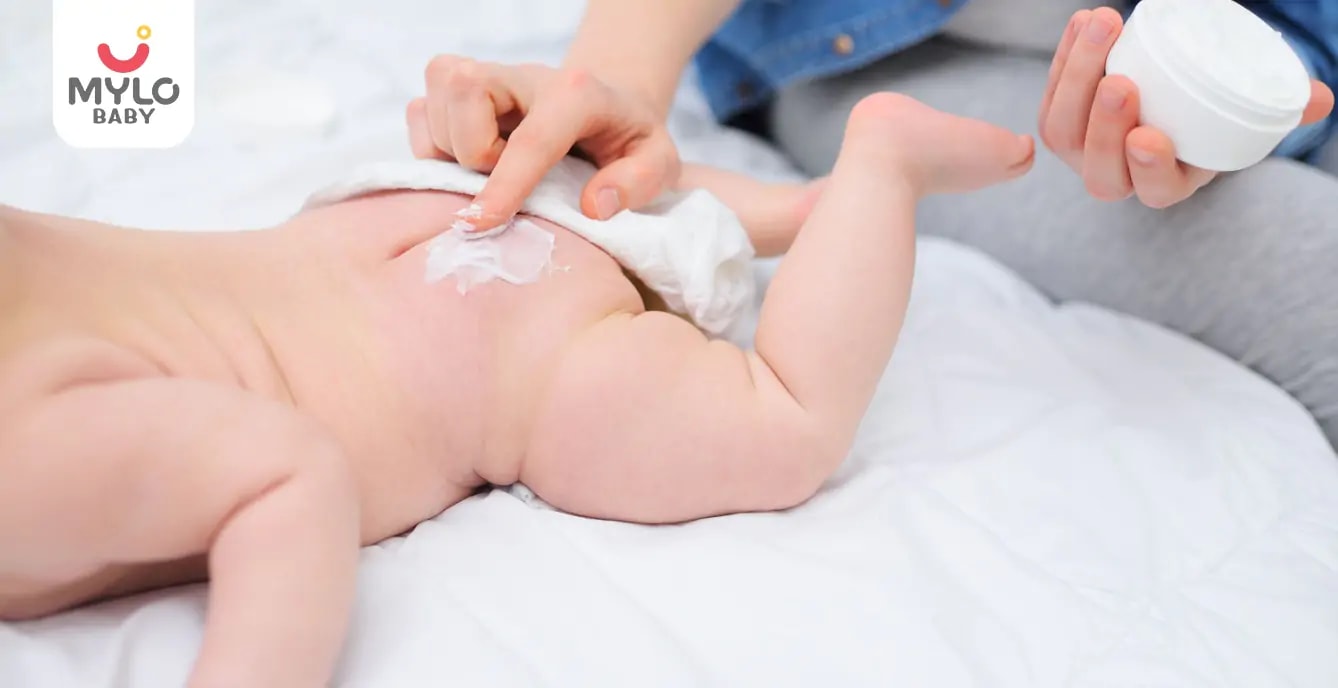
Diaper rash is a common condition that affects young babies and results in sore, red, scaly, and tender skin in the diaper area. This condition is typically caused by irritations, infections, or allergies due to urine and other substances that get stuck within the diapers. It can also be caused by a yeast called Candida albicans, which can lead to a diaper rash that lasts for more than a few days.
Prolonged contact with urine and stool, or too much moisture in the diaper area can also cause diaper rash. Symptoms can range from slightly reddened skin to open sores and blisters, and particularly severe cases may need medical attention.
You may also like: Can Rashes Be Prevented While Using Disposable Diapers for Your Baby?
How Does Diaper Rash Look Like?
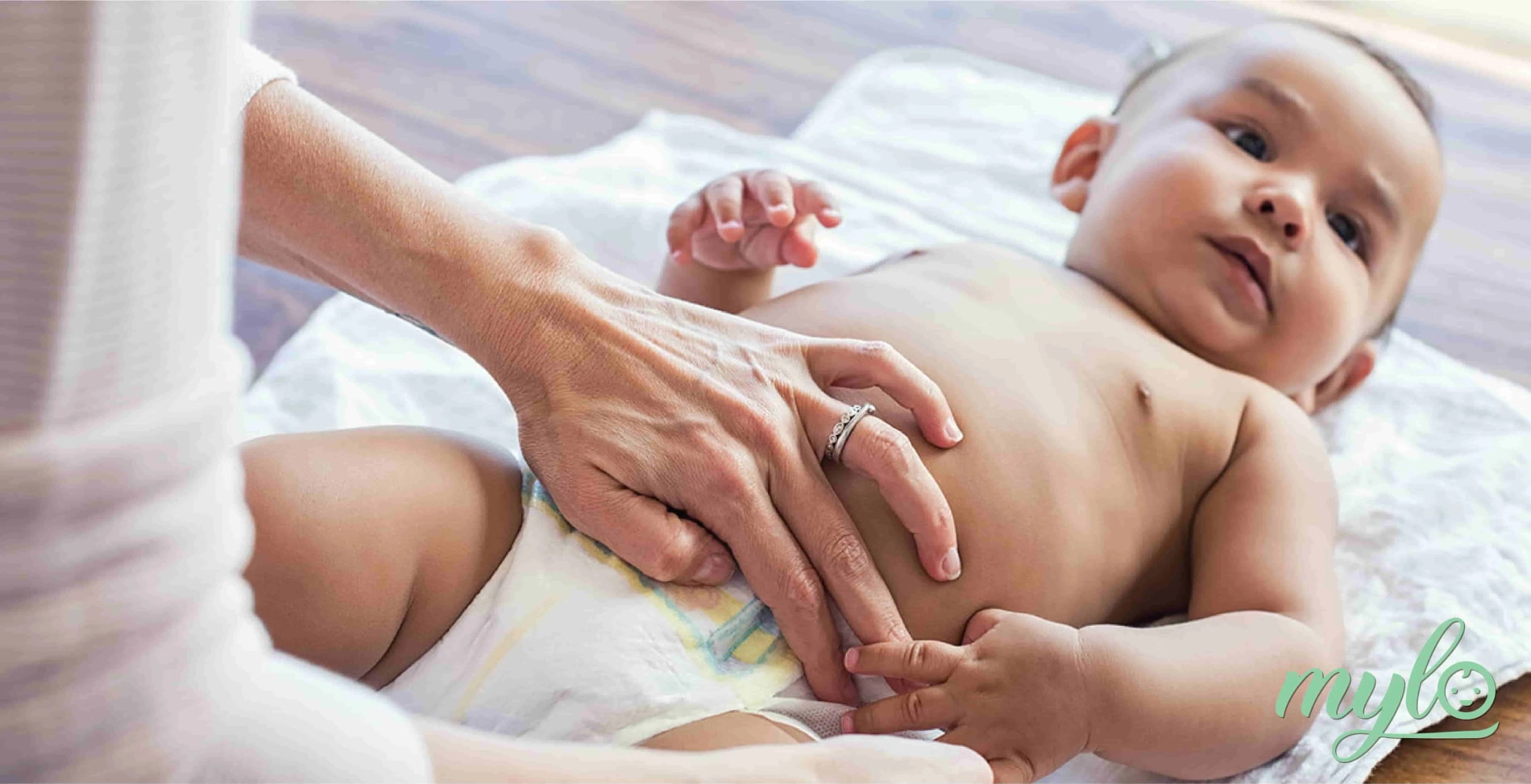
A diaper rash usually appears as red, irritated skin in the diaper area, including the buttocks, genitals, and thighs. The affected skin may be warm to the touch and may feel rough or bumpy. In more severe cases, the rash can develop into small red bumps, blisters, or open sores.
Diaper Rash Types
There are several different types of baby rashes, each with its own set of symptoms. The most common types include the following:
1. Irritant Contact Dermatitis
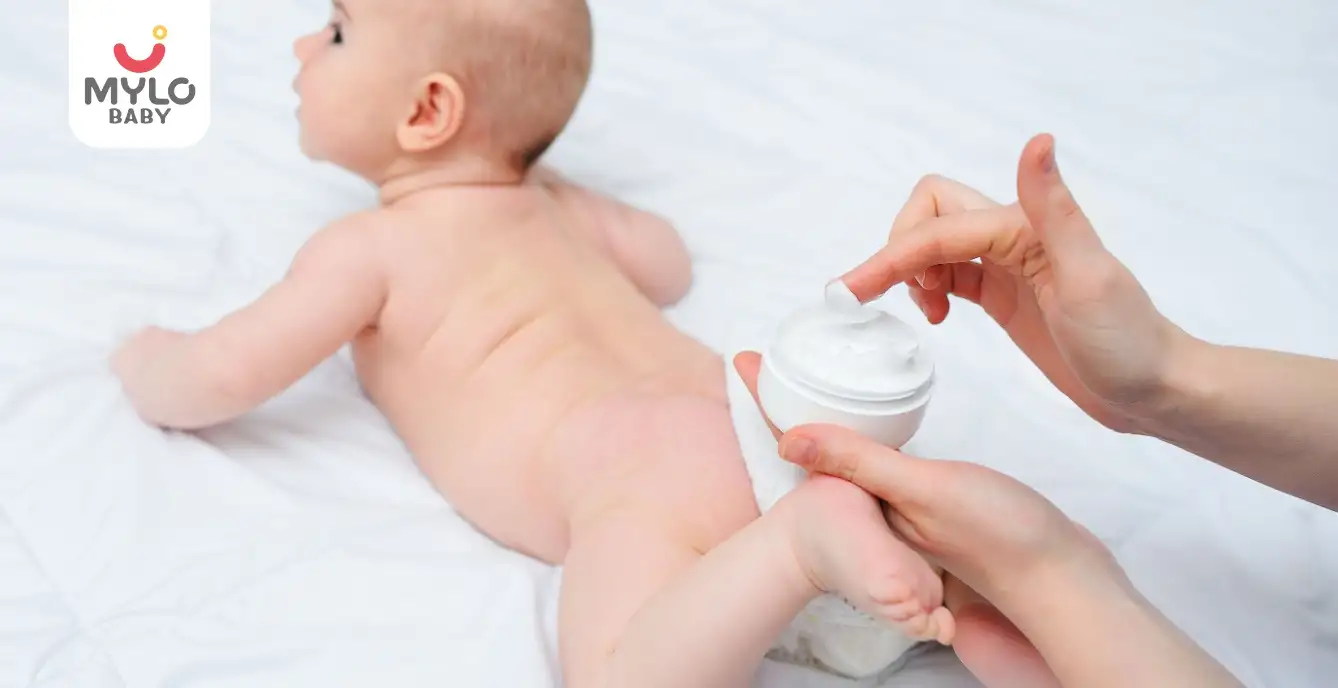
Contact dermatitis is caused by the skin's contact with irritants like urine, faeces, or soap. This type of rash is usually red and inflamed and may be accompanied by itching or burning. Parents can use a barrier cream such as petroleum jelly to prevent such rashes.
2. Candida Dermatitis or Yeast
The second type is candidiasis, which is caused by a yeast infection. Candidal diaper rash is a yeast infection of the skin. It can cause red, raised, scaly patches with small red bumps. Antifungal OTC creams are generally prescribed along with some powder to keep the area dry.
3. Bacterial Dermatitis
Bacterial dermatitis occurs in the skin folds where streptococcus bacteria is easily trapped. It can be red and scaly and have small yellow or white bumps. Bacterial diaper rash is more common in babies who have sensitive skin. Common diaper rash treatments include antibacterial creams and a mild steroid cream for pain and inflammation.
4. Allergic Contact Dermatitis
Allergic contact dermatitis can be caused by an allergic reaction to a new laundry detergent, wipes, or cream. Large, red, blister-like bumps often characterize this type of rash. Mild steroidal cream is often prescribed to reduce pain and inflammation.
You may also like: Diaper Rash Treatment Tips for Your Baby
Other Types of Baby Rashes That Can Occur in the Diaper Area
Here are some other skin rash types that may occur around your baby's diaper area:
1. Heat Rash
This rash consists of small bumps and is commonly referred to as "prickly heat." It typically occurs when the skin becomes overheated and is unable to breathe, which can happen anywhere on the body. In the diaper region, it is often seen in the folds of the skin. Sweat accumulates, clogs the pores, and causes itching, redness, and bumps.
Using thick creams and ointments can exacerbate the condition, so it's best to avoid them if heat rash is suspected. The treatment involves cooling the affected area and promoting air circulation.
2. Seborrheic Dermatitis
Seborrheic dermatitis can lead to diaper rashes and skin problems on other parts of the body such as the scalp, face, and neck. Redness is a common symptom of this type of rash, but yellow or oily patches may also appear under the diaper and in skin folds.
Topical medications are typically used to treat this condition. Although the cause is somewhat unknown, the good news is that seborrheic dermatitis tends to resolve on its own before your baby reaches 6 months to 1 year of age.
3. Eczema
Eczema may seem like a normal diaper rash initially but it can become purple, crusty and even ooze liquids. It is usually dry and itchy and can be managed by keeping the skin cool, breathy and clean. It can be managed by using fragrance-free moisturizers, lotions, diapers and wipes.
Diaper Rash Causes
Let us now understand the reasons for diaper rash:
1. Irritation from Wetness
Prolonged exposure to a wet diaper can soften the skin and make it more susceptible to irritation. Urine and feces can be harsh on the baby's delicate skin.
2. Friction
Rubbing and chafing between the diaper and the baby's skin can lead to irritation, especially if the diaper is too tight.
3. Infrequent Diaper Changes
Infrequent diaper changes allow urine and feces to remain in contact with the baby's skin for longer periods, increasing the risk of irritation and rash.
4. Sensitive Skin
Some babies have more sensitive skin than others, making them more prone to developing diaper rashes.
5. Introduction of Solid Foods
When babies start eating solid foods, their bowel movements may change, becoming more acidic or irritating, leading to diaper rash.
6. Reaction to Diapers or Wipes
Some babies may have a sensitivity or allergic reaction to certain diaper brands, wipes, or other products used during diaper changes.
7. Antibiotic Use
Antibiotics can sometimes lead to diaper rash by altering the balance of natural bacteria in the baby's digestive system, resulting in more irritating bowel movements.
8. Yeast Infection
A type of yeast called Candida can thrive in the warm, moist environment of a diaper and cause a rash. This type of diaper rash is often more severe and may require specific antifungal treatment.
9. Introduction of New Foods
If a breastfeeding mother or a formula-fed baby introduces new foods, it can sometimes lead to changes in bowel movements that contribute to diaper rash.
10. Ill-fitting Diapers
Using diapers that are too tight or too loose can cause friction, leading to irritation and diaper rash.
You may also like: Newborn Diaper Rash: Causes, Treatment and Prevention Tips
Which Diapers Should Parents Use to Prevent Rashes?
There are many different types of diapers available on the market today. However, not all of them are created equal. Some are better than others at preventing diaper rashes in babies. If parents want to ensure that their baby is comfortable and rash-free, it is important for them to choose the right type of diaper. This will depend on the age and weight of their baby.
There are three types of diapers: disposable, cloth and hybrid. Disposable diapers are most common because they are easy to use and dispose of. Cloth diapers can be expensive, but they have a lower environmental impact than disposable diapers. Hybrid diapers can be used with both cloth or disposable inserts, which is great if one wants to save money but still use cloth inserts instead of disposables.
The best choice would be a cloth diaper with a cotton lining or a disposable one made with materials that do not contain chemicals or dyes.
You may also like: The Benefits and Risks of Using Hydrocortisone Cream for Babies
When to Consult Doctor?
There are several ways to treat and prevent baby diaper rash. Parents can use a barrier cream or ointment to create a barrier between the diaper and the skin. They can also try changing diapers more often, using cloth diapers, or using a diaper with a breathable outer layer.
If the baby has a mild case of diaper rash, they can treat it at home with over-the-counter creams and ointments. If the rash is more severe, they may need a prescription cream or ointment. In rare cases, diaper rash can lead to a bacterial or fungal infection, so it’s important to seek medical treatment if the rash doesn’t improve with home care.
Closing Thoughts
In conclusion, recognizing and treating different diaper rash types is essential for the health and well-being of your baby. Understanding how does diaper rash look like and the causes and symptoms of different skin rash types can help you take proactive steps to prevent them from occurring. If your baby does develop a rash, following the appropriate treatment based on the type of rash can lead to a quick and effective resolution. Remember to keep your baby's skin clean and dry, and consult your pediatrician if you have any concerns or questions about your baby's diaper rash.
References
1. Prasad HR, Srivastava P, Verma KK. (2003). Diaper dermatitis--an overview. Indian J Pediatr.
2. Blume-Peytavi U, Kanti V. (2018). Prevention and treatment of diaper dermatitis. Pediatr Dermatol.
Trending Articles
When do Babies Start crawling | Mucus in Baby Poop | Reflux Baby | Baby Diarrhea
Popular Articles
Baby Wipes Uses | Baby Cry | Why Newborn Baby Cry at Night | Infant Development Stages
 Yes
Yes
 No
No
Your parenting partner
in your pocket.
supportive community.

Your parenting partner
in your pocket.
supportive community.


Helpful Tools & Calculators

.webp&w=32&q=75)














Priyanka is an experienced editor & content writer with great attention to detail. Mother to an 11-year-old, she's a ski
Related Articles

Reviews by Mylo Moms
- Bought when Mother of 7 Days Old Baby

Excellent product quality
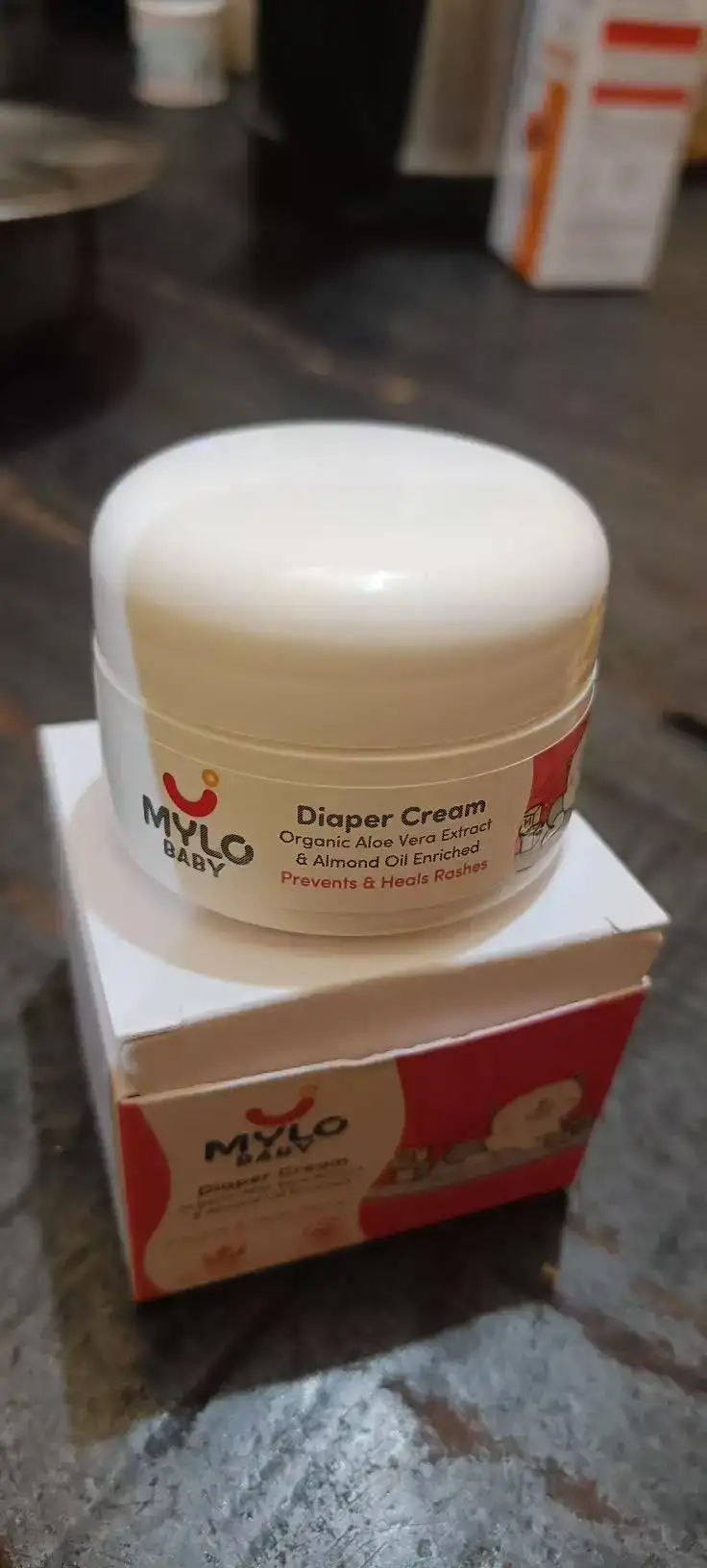
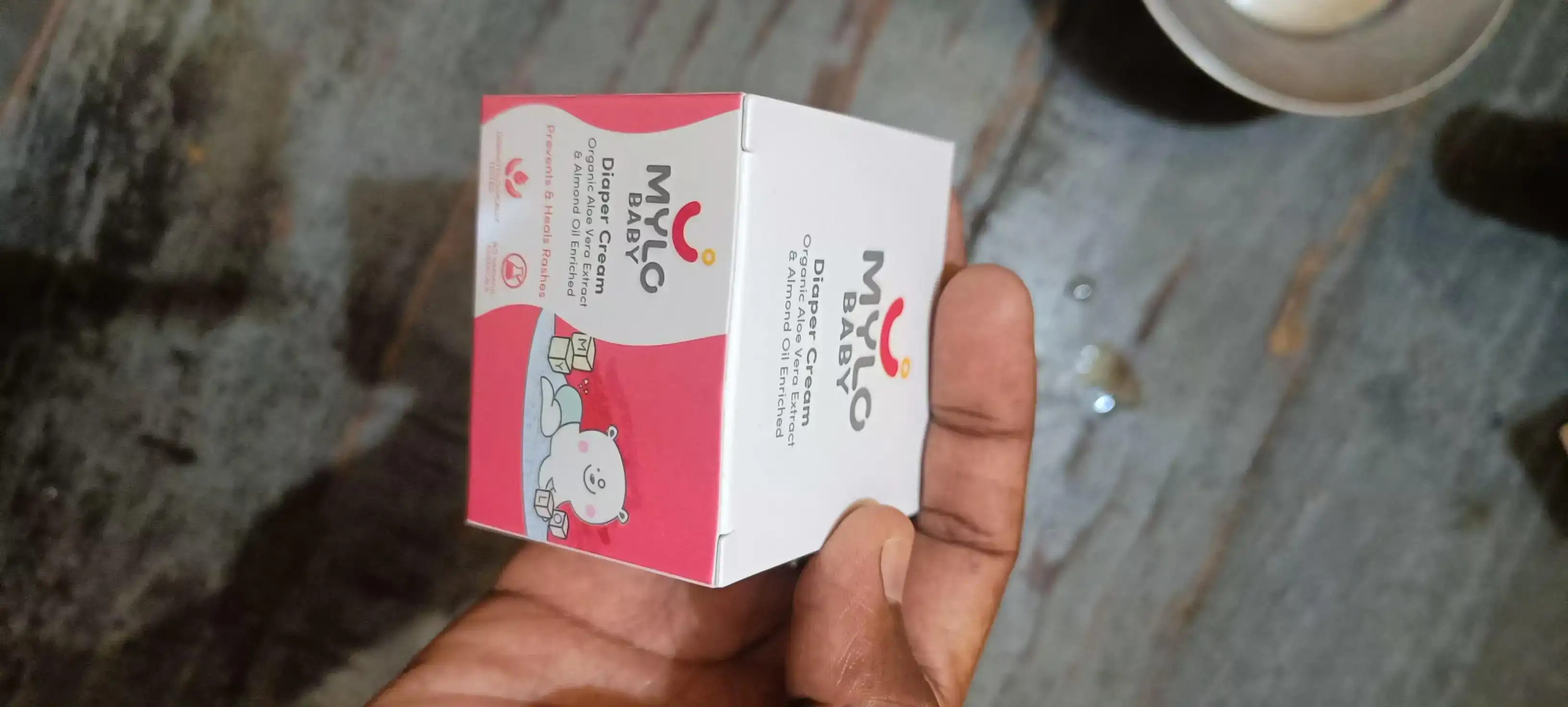
Mylo diaper rashes cream is superb quality
- Bought when Mother of 1 Month Old Baby
यह अच्छा प्रोडक्ट है
It's too good
- Bought when Mother of 2 Months Old Baby
Fast delivery & good quality
verry good 👍 quality
Questions about this article
- Asked when 38 weeks pregnant
Hello frnds..still no pain...doctor said head fix nhi hua hai..bt vagina me pain hai aur back pain bhi... anyone having same issues??
- Asked when 23 weeks pregnant
Kon kon c chije aisi hai jo pregnancy mei gas acidity jalan karti hain... Koi btayega plz bcz mujhe aksar khane ke baad hi samagh aata hai ki is chij se gas acidity jalan ho gyi hai. Please share your knowledge
- 14 weeks pregnant
I am 13 week pregnancy. Anyone having Storione-xt tablet. It better to have morning or night ???
- Asked when 10 weeks pregnant
Hlo to be moms....i hv a query...in my 9.5 wk i feel body joint pain like in ankle, knee, wrist, shoulder, toes....pain intensity is high...i cnt sleep....what should i do pls help....cn i cosult my doc.
- Asked when 33 weeks pregnant
Influenza and boostrix injection kisiko laga hai kya 8 month pregnancy me and q lagta hai ye plz reply me
Related Topics
.webp&w=32&q=75)
Recently Published Articles
Your body needs extra nutrition this trimester - these can help.

What Is Postpartum Bleeding or Lochia?

IUI Babies vs Normal Babies: Are They Any Different?
High WBC in Pregnancy (Leukocytes): Symptoms, Causes & Treatment

Top 10 food items and beverages that one must completely avoid during pregnancy.
Things Not to Do After Cervical Cerclage for a Healthy Pregnancy
Medical Disclaimer
This content is for informational purposes only and should not replace professional medical advice. Consult with a physician or other health care professional if you have any concerns or questions about your health. If you rely on the information provided here, you do so solely at your own risk.


AWARDS AND RECOGNITION

Mylo wins Forbes D2C Disruptor award

Mylo wins The Economic Times Promising Brands 2022
AS SEEN IN












- Mylo Care: Effective and science-backed personal care and wellness solutions for a joyful you.
- Mylo Baby: Science-backed, gentle and effective personal care & hygiene range for your little one.
- Mylo Community: Trusted and empathetic community of 10mn+ parents and experts.


Product Categories
Baby Carrier | Baby Soap | Baby Wipes | Stretch Marks Cream | Baby Cream | Baby Shampoo | Baby Massage Oil | Baby Hair Oil | Stretch Marks Oil | Baby Body Wash | Baby Powder | Baby Lotion | Diaper Rash Cream | Newborn Diapers | Teether | Baby Kajal | Baby Diapers Pants | Cloth Diapers | Laundry Detergent | Lactation Granules |