


Orders

Profile

Tachycardia: Causes, Types & Symptoms
 6 min
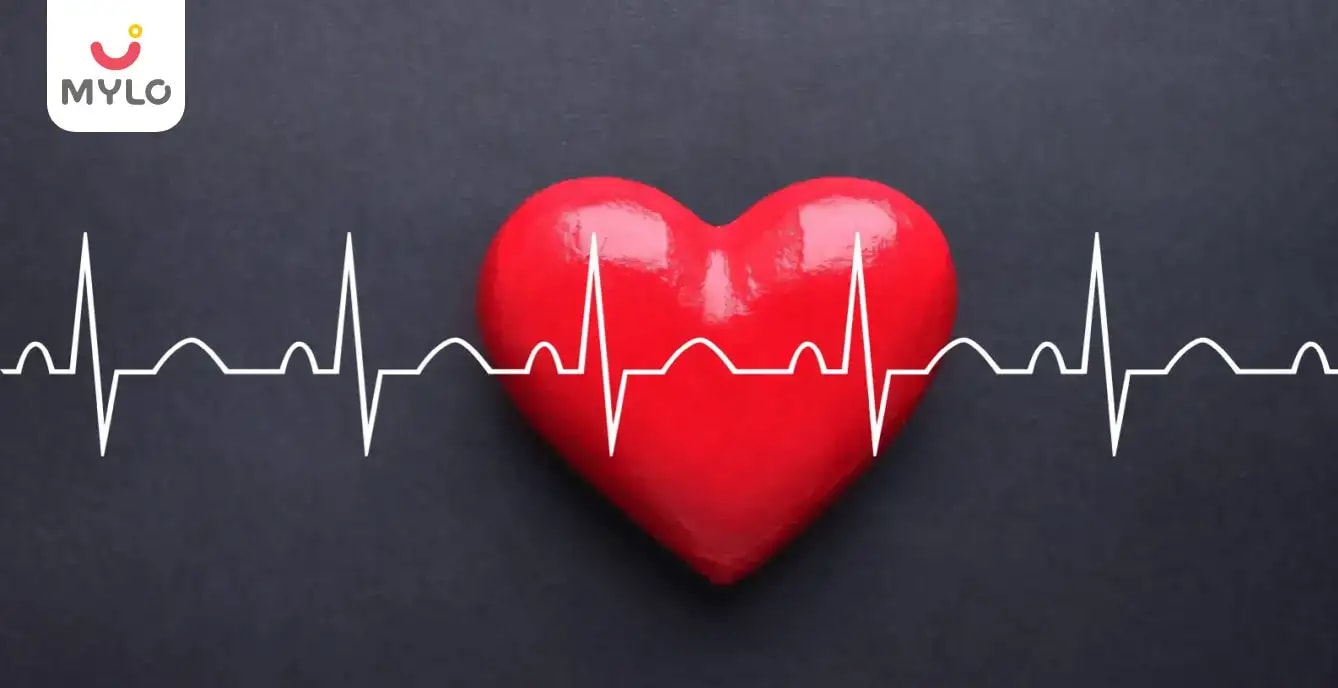
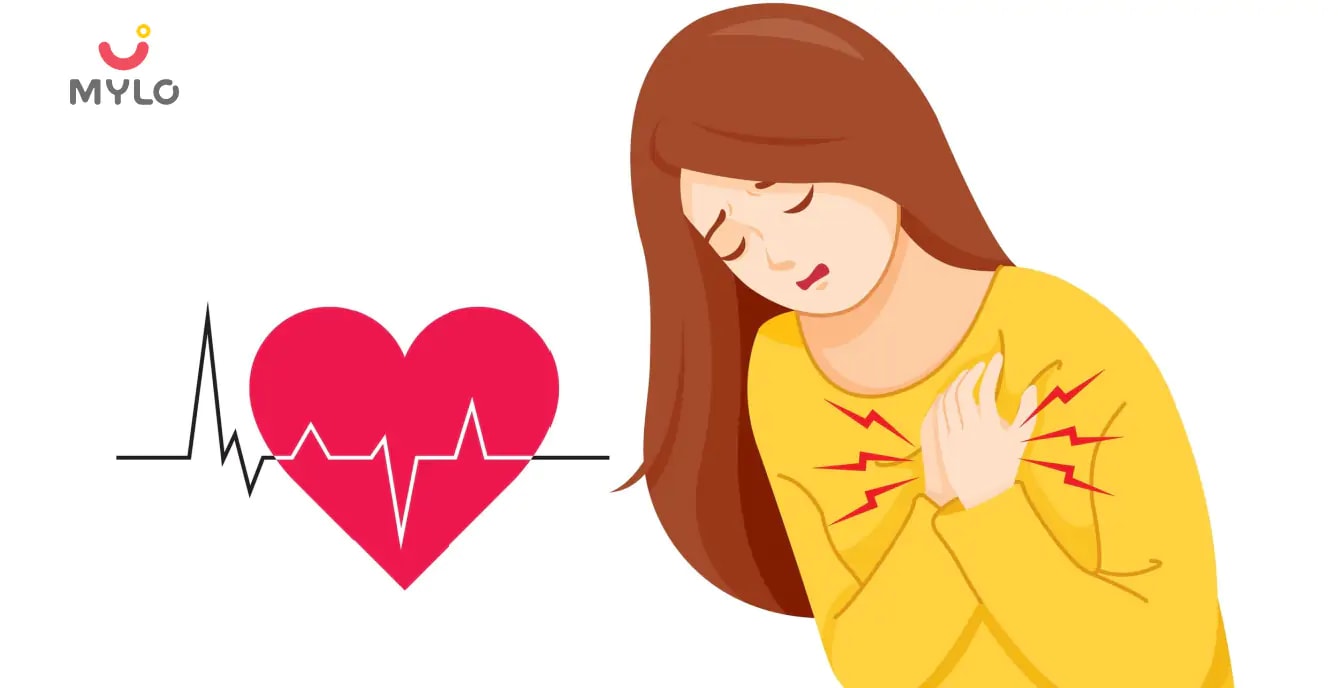
6 minTachycardia is a common heart condition characterized by a rapid heartbeat, usually above 100 beats per minute. It can be caused by a range of factors, including underlying medical conditions, stress, anxiety, and lifestyle factors. Understanding the different types and symptoms of tachycardia can help individuals to identify and manage this condition effectively.
In this article, we will explore the various causes and types of tachycardia, as well as its symptoms and treatment options. Whether you are experiencing tachycardia or want to learn more about this condition, this article will provide you with valuable insights and information.
Causes of Tachycardia
Tachycardia can be caused by a variety of factors, including underlying medical conditions, lifestyle factors, and medications. Some of the most common causes of tachycardia include:
- Heart-related conditions such as heart disease, heart attack, and abnormal heart valves
- High blood pressure
- Hyperthyroidism
- Anemia
- Dehydration
- Stress and anxiety
- Caffeine or alcohol consumption
- Certain medications, such as asthma inhalers or diet pills
It's important to note that tachycardia can also occur without any underlying medical condition, which is known as "idiopathic" tachycardia. Identifying the cause of tachycardia is crucial in determining the appropriate treatment plan.
Investing in a heart rate monitor is handy if you are someone who has had heart problems in the past. These monitors can be used to find out if the BPM is normal. If the heartbeat monitor shows that the heartbeat is above 100 BPM, irrespective of the cause, it is necessary to consult a doctor and seek medical attention immediately.
You may also like: Top 10 Health Issues Related To Women
Types of Tachycardia
Here are a few common types of tachycardia:
1. Supraventricular tachycardia (SVT)
This type of heart rhythm disturbance occurs when the heart rate elevates above 150 beats per minute (bpm). Supraventricular tachycardia can be classified into supraventricular tachycardia with ventricular arrhythmia (SVT-V) and supraventricular tachycardia without ventricular arrhythmia (SVT-U). In SVT-V, the heart rate rises due to an increase in the electrical activity of the ventricles. In SVT-U, the heart rate rises due to the increasing electrical activity of the atria.
2. Sinus tachycardia
This is a common type of SVT. In SVT, the heart rate is elevated due to an increase in the electrical activity of the sinuses. It is less common than other types of SVT but can also be life-threatening. Although a faster heartbeat rate is average after exercising or physical activity, it is a matter of concern when someone has a quicker heartbeat, even while resting.
3. Atrial fibrillation
This is a type of cardiac arrhythmia that causes irregularity in the heartbeat. It can lead to heart failure and death if not treated. Atrial fibrillation can lead to blood clots, increasing the risk of stroke and other severe complications. The heart's upper chamber, the atria, beats irregularly, hence getting the name atrial fibrillation. This condition can be persistent if not addressed early.
You may also like: What Helps in Improving Mental Health of Women
Tachycardia Symptoms and Signs
The signs and symptoms of tachycardia can vary depending on the individual and the type of tachycardia they are experiencing. Some of the most common symptoms of tachycardia include:
- Rapid heartbeat or palpitations
- Fluttering or pounding sensation in the chest
- Shortness of breath
- Dizziness or lightheadedness
- Fainting or syncope
- Chest pain or discomfort
It's important to note that some people with tachycardia may not experience any symptoms at all. If you are experiencing any of these symptoms, it's important to speak with your healthcare provider to determine the cause and appropriate treatment plan. In some cases, tachycardia can lead to serious complications, such as stroke or cardiac arrest, if left untreated.
You may also like: Screening Test for Women
Treatment for Tachycardia
The treatment for tachycardia depends on the underlying cause and severity of the condition. If tachycardia is caused by an underlying medical condition, such as hyperthyroidism or heart disease, treatment of that condition may alleviate the tachycardia. In cases of ventricular tachycardia, anti-arrhythmic medications may be prescribed to slow the heart rate. Medications such as digitalis, beta-blockers, calcium channel blockers, or amiodarone may also be used to treat tachycardia.
In some cases, surgery may be necessary to correct the underlying issue causing the tachycardia. Lifestyle changes, such as avoiding trigger foods and drinks, may also be recommended to prevent tachycardia. It's important to speak with a healthcare provider for an accurate diagnosis and appropriate treatment plan. There are some things one can do to help lower their heart rate if it is high:
- Take slow, deep breaths (in and out through the nose) to calm down and relax.
- Sitting or lying down can significantly help if someone feels dizzy or lightheaded.
- Avoiding caffeine and alcohol is recommended for someone feeling anxious or stressed.
- Call the doctor if the heart rate keeps getting higher or is very irregular.
Conclusion
In conclusion, tachycardia is a condition that causes the heart to beat faster than normal. There are several types of tachycardia, each with its own specific causes and symptoms. Some cases of tachycardia may be harmless while others may require medical intervention. It's important to speak with a healthcare provider if you experience any symptoms of tachycardia, as early diagnosis and treatment can help prevent serious complications. With the right treatment plan, many people with tachycardia are able to manage their condition and live healthy, active lives.
References
- Henning A, Krawiec C. (2022). Sinus Tachycardia. NCBI
- Gopinathannair R, Olshansky B. (2015). Management of tachycardia. NCBI
 Yes
Yes
 No
No
Your parenting partner
in your pocket.
supportive community.

Your parenting partner
in your pocket.
supportive community.


Article Posted Under
Helpful Tools & Calculators
.webp&w=32&q=75)











Dr. Madhavi Gupta is an accomplished Ayurvedic doctor specializing in Medical content writing with an experience of over 10 years.
Related Articles




Questions about this article
- Asked when 33 weeks pregnant
Influenza and boostrix injection kisiko laga hai kya 8 month pregnancy me and q lagta hai ye plz reply me
- Asked when 7 weeks pregnant
Hai.... My last period was in feb 24. I tested in 40 th day morning 3:30 .. That is faint line .. I conculed mylo thz app also.... And I asked tha dr wait for 3 to 5 days ... Im also waiting ... Then I test today 4:15 test is sooooo faint ... And I feel in ma body no pregnancy symptoms. What can I do .
- 26 weeks pregnant
Baby kicks KB Marta hai Plz tell mi
- trying to conceive
PCOD kya hota hai
- Asked when trying to conceive
How to detect pcos
Recently Published Articles
Your body needs extra nutrition this trimester - these can help.

Baby photoshoot ideas

Apricot in Pregnancy: Is This the Superfood You Have Been Looking for?
Learn all about the top 4 causes of food aversion and cravings during the pregnancy period

Typhoid in Pregnancy: Symptoms & Treatment

Basal Body Temperature: How It Can Help You Track Ovulation?
Medical Disclaimer
This content is for informational purposes only and should not replace professional medical advice. Consult with a physician or other health care professional if you have any concerns or questions about your health. If you rely on the information provided here, you do so solely at your own risk.


AWARDS AND RECOGNITION

Mylo wins Forbes D2C Disruptor award

Mylo wins The Economic Times Promising Brands 2022
AS SEEN IN












- Mylo Care: Effective and science-backed personal care and wellness solutions for a joyful you.
- Mylo Baby: Science-backed, gentle and effective personal care & hygiene range for your little one.
- Mylo Community: Trusted and empathetic community of 10mn+ parents and experts.


Product Categories
Baby Carrier | Baby Soap | Baby Wipes | Stretch Marks Cream | Baby Cream | Baby Shampoo | Baby Massage Oil | Baby Hair Oil | Stretch Marks Oil | Baby Body Wash | Baby Powder | Baby Lotion | Diaper Rash Cream | Newborn Diapers | Teether | Baby Kajal | Baby Diapers Pants | Cloth Diapers | Laundry Detergent | Lactation Granules |