


Orders
.png&w=48&q=75 "login")
Profile


Wallet

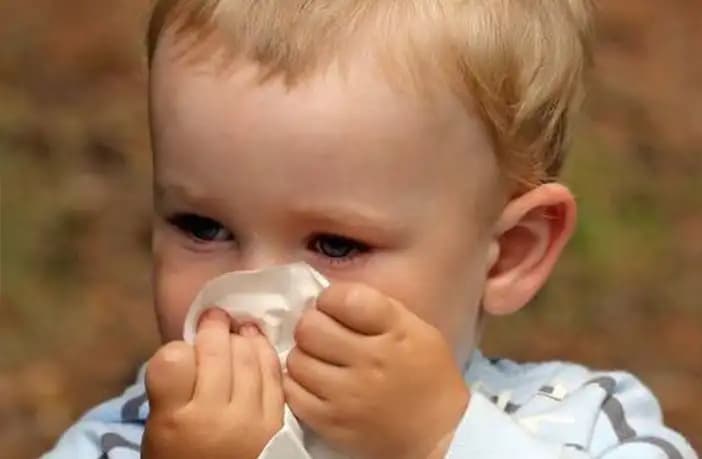
Symptoms and Causes of Cold in Infants
 510 Likes|
 3 min
3 minAI-Generated Summary
Quick overview in 30 seconds.webp&w=32&q=75)
Summary
- Infants catch colds easily as their immune system is still developing, with rhinovirus being the most common virus causing infections of the nose, throat, and upper respiratory tract.
- Babies get infected through air droplets when someone coughs or sneezes, contaminated surfaces where viruses live for hours, and direct contact with infected persons.
- Common symptoms include runny or congested nose, fever, coughs, sneezing, irritability, decreased appetite, difficulty sleeping, and trouble feeding because of nasal congestion.
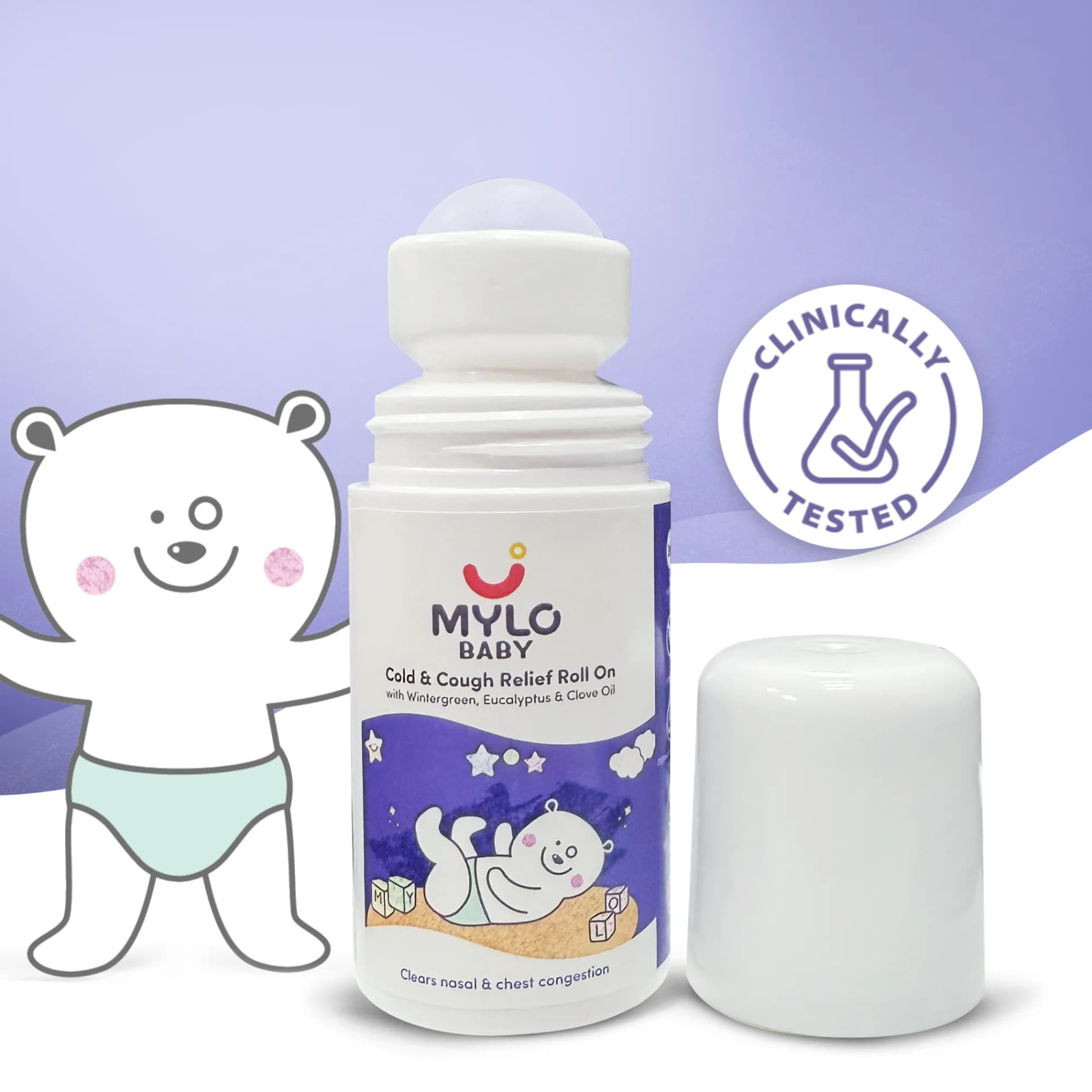
- Worried about your baby's blocked nose and cough? Explore our Mylo Baby Cold & Cough Roll-On designed to gently soothe congestion and ease breathing for little ones.
 4.6
4.6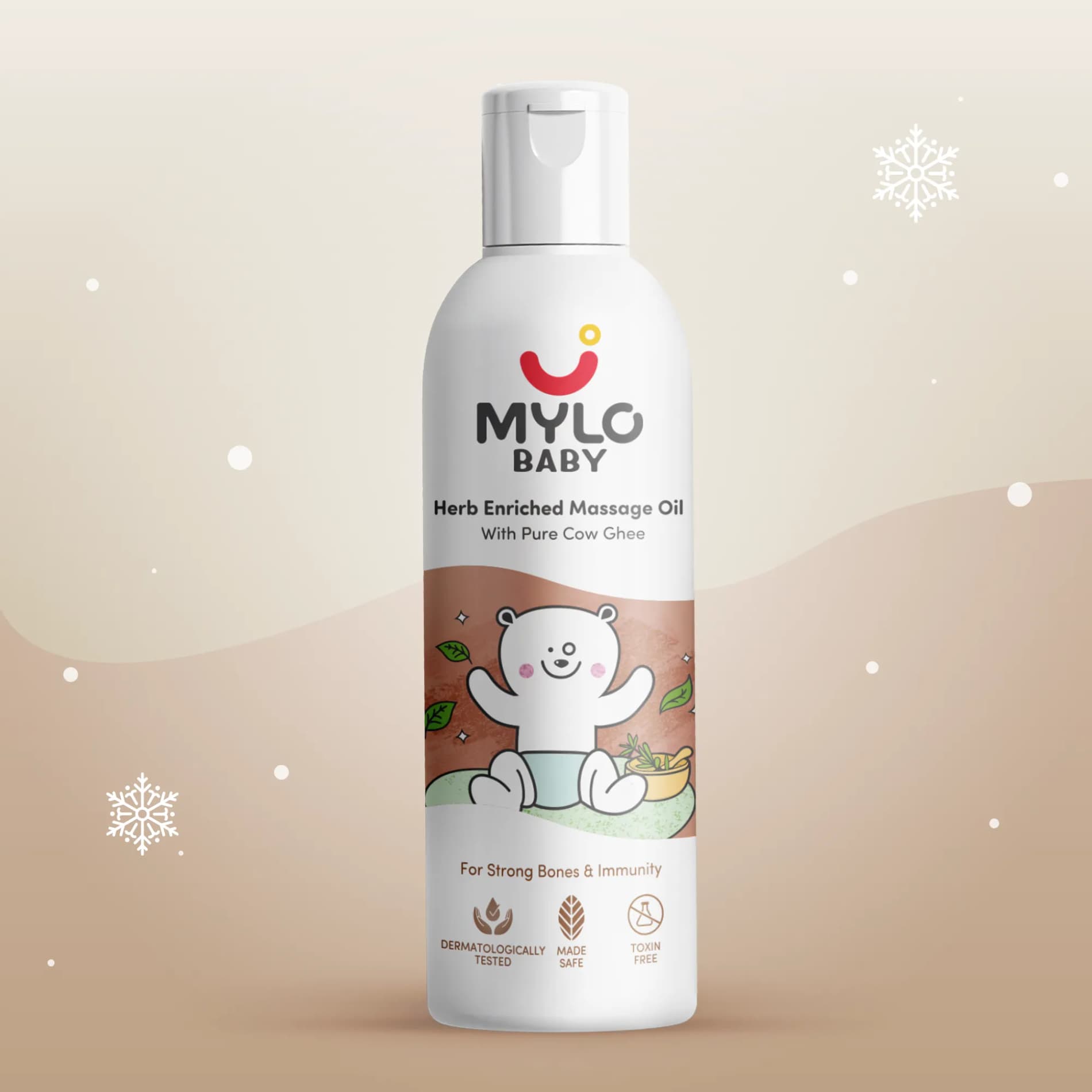 4.3
4.3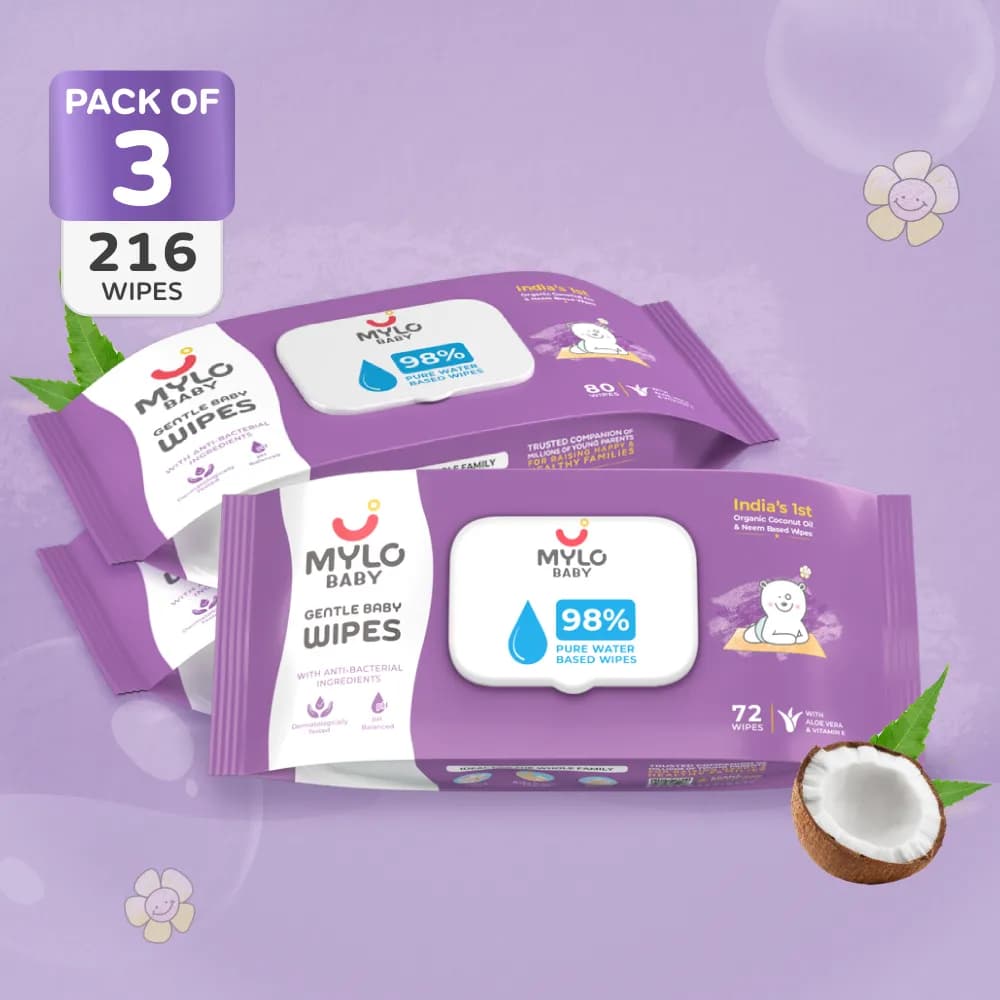 4.5
4.5Symptoms and Causes of Cold in Infants
Cold in human is universal. There are more than 200 viruses around us that are capable of causing colds in humans irrespective of age. Infants are prone to catch a cold easily as their immune system is still developing. Luckily, majority of colds that they catch, only help them to strengthen their immune system. But for parents the first colds that their infant catches up with, can be very scary and understanding its causes and symptoms helps them to approach it appropriately.
Common causes of the cold:
The infections of the nose, throat, and upper respiratory tract are because of viral infections. Rhinovirus is the most common type of virus that causes cold in children. Babies can generally get infected by
-
Air: Through droplet infection when some elder coughs, sneezes, or talks in the room.
-
Surface: Viruses can live for long hours on contaminated surfaces and the baby can catch a cold by touching such contaminated surfaces.
-
Direct contact: When an infected person comes in direct contact with the baby, the infectious virus can easily spread to them.
Symptoms of cold in infants:
The first indication of the common cold in infants is a runny or congested nose. The child can also have nasal discharges that are clear at first but can thicken and get yellow over time. Other common symptoms of cold are:
-
Fever
-
Coughs
-
Sneezing
-
Irritability
-
Decreased appetite
-
Difficulty in sleeping
-
Difficulty in feeding because of nasal congestion.
When is the right time to see the doctor?
Generally, colds in infants will resolve within ten days. But it is always better to call the doctor, instead of performing self-medication. Parents should seek immediate medical help if the baby has a body temperature higher than 100.4F, has persistent coughs, has trouble breathing, and is persistently irritable.
Preventing cold in children:
The best way to prevent cold in children is to keep them and the surfaces as clean as possible. Parents should avoid exposing the baby to anyone who is sick at home. Also, parents should wash their hands frequently, especially before touching and feeding the baby. It is important to clean the pacifiers and toys of the baby often and use clean cloths and tissues on them.
Trusted By Moms Caring For Little Ones With Colds
Baby colds are tough on tiny noses - here is what other moms use to soothe and protect.
Mylo Baby Cold & Cough Roll-On - 40ml
Helps with breathing blockage | Dermatologist Approved | 100% Natural



Mylo Herb Enriched Baby Massage Oil - 200 ml
Dermatologically Tested | Made Safe Certified | Nourishes Skin | Strengthens Immunity | Ayurvedic Preparation



Gentle Baby Wipes with Lid - Pack of 3
98% Pure Water | Dermatologically Tested

Article Posted Under
Related Articles

Related Topics
.webp&w=32&q=75)
Medical Disclaimer
This content is for informational purposes only and should not replace professional medical advice. Consult with a physician or other health care professional if you have any concerns or questions about your health. If you rely on the information provided here, you do so solely at your own risk.


AWARDS AND RECOGNITION

Mylo wins Forbes D2C Disruptor award

Mylo wins The Economic Times Promising Brands 2022
AS SEEN IN











- Mylo Care: Effective and science-backed personal care and wellness solutions for a joyful you.
- Mylo Baby: Science-backed, gentle and effective personal care & hygiene range for your little one.
- Mylo Community: Trusted and empathetic community of 10mn+ parents and experts.


Product Categories
Baby Carrier | Baby Soap | Baby Wipes | Stretch Marks Cream | Baby Cream | Baby Shampoo | Baby Massage Oil | Baby Hair Oil | Stretch Marks Oil | Baby Body Wash | Baby Powder | Baby Lotion | Diaper Rash Cream | Newborn Diapers | Teether | Baby Kajal | Baby Diapers Pants | Cloth Diapers | Laundry Detergent | Lactation Granules |