


Orders
.png&w=48&q=75 "login")
Profile


Wallet

Reasons To Stop Working During Pregnancy

 10 Likes|
 12 min
AI-Generated Summary
Quick overview in 30 seconds.webp&w=32&q=75)
Summary
- Common pregnancy symptoms like morning sickness, fatigue, and discomfort can make working challenging, but small adjustments such as frequent breaks, hydration, and ergonomic seating can help you cope.
- Significant indicators to stop working include preterm labour signs, high-risk pregnancy conditions, physically demanding jobs, excessive workplace stress, and anxiety or depression that affect your wellbeing.
- Working over 40 hours weekly or night shifts may increase miscarriage and preterm labour risks, so consult your doctor about job-related concerns and take early maternity leave if needed.
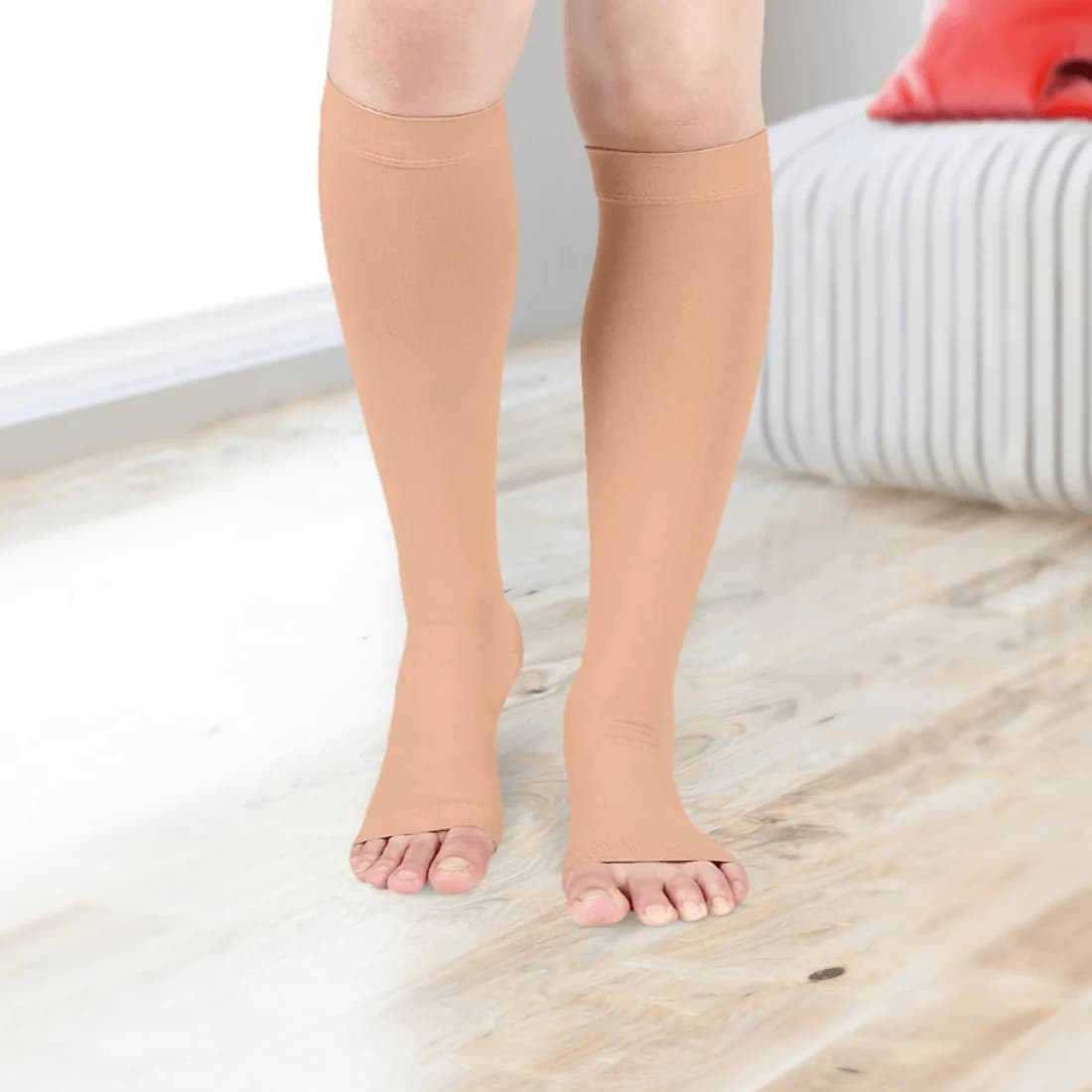
- What can ease pregnancy discomfort while working? Explore our Compression Stocking Socks - S.
 4.5
4.5 4.7
4.7Working at a job you love has many rewarding factors, from collaborating with valued colleagues and executing projects to building lasting friendships and, of course, a stipend. However, becoming pregnant can change how you address your job in several ways.
While pregnancy is a time of excitement, it can also be a period of uncertainty or worry. You may stress about many things, including telling your supervisor that you're pregnant if you're working. Most people continue to work throughout pregnancy. However, this might present challenges in the workplace. You need to understand how to relieve common pregnancy discomforts to stay healthy and productive on the job.
Reasons To Stop Working During Pregnancy
Due to early pregnancy symptoms, you may feel all sorts of ways whether it is safe to work or not. However, the reasons to stop working during pregnancy and how to cope with these symptoms on the job are as follows:
-
Morning Sickness: In most women, nausea and vomiting start during early pregnancy. Try to identify your triggers if you are feeling ill and avoid them. Consuming small meals and snacks made up of bland foods like bread, crackers and applesauce throughout the day can help. Ginger tea or ginger ale could also provide some relief. Also, if you have severe morning sickness, it may be better to inform your employer about your pregnancy. However, they will understand what's happening if you're skipping work or frequently docking out to use the bathroom and might empathise with the situation. Taking vitamin B6 is also considered safe during pregnancy as it quells nausea. However, your doctor can also recommend some medication if you are dealing with severe nausea and vomiting with weight loss.
-
Fatigue: The body is working overtime during pregnancy which might cause tiredness. But resting during the workday can be challenging. It might help to consume food rich in iron and protein, such as lean meat, poultry, seafood, and green leafy vegetables. While fatigue is a warning of iron deficiency, modifying your diet can help. Getting up and taking short and frequent breaks by moving around for a few minutes can be helpful. Shutting your eyes and feet up and lights off is also advantageous. Keep yourself hydrated and drink plenty of fluids. Create more time to rest after work by scaling back on non-work activities. Get a good sleep for at least eight hours every night. Sleep on your side to allow blood flow to the baby and ease swelling. You can also use pillows for added comfort.
-
Staying Comfortable: Everyday activities such as sitting and standing can become uncomfortable as pregnancy progresses. Walking around every few hours can ease muscle tension and help prevent fluid retention in the legs and feet. You can also use other strategies.
-
While using a chair, always sit with a straight back or use a small pillow or cushion to support the back. You can also use an adjustable chair with lower back support to ease long hours of sitting, especially as body weight and posture change. Try to elevate the legs to lessen swelling.
-
Putting one foot up on a footrest, low stool, or box can help those who must stand for a long duration. Also, wear comfortable shoes which provide adequate support to your feet. Take breaks frequently and switch feet often. Support and compression hose can also help.
-
While lifting any weight, proper support can spare your back. Also, bend the knees, not the waist and avoid twisting your body while lifting anything. Also, keep the weight close to the body while lifting with the legs.
-
Consider wearing a pregnancy support belt to ease the strain of your belly on your back and pelvis. Also, to alleviate soreness, use heating pads or ice packs.
-
Stress: Stress on the job can drain the required energy. Also, try to minimise workplace stress by making a daily to-do list of activities and prioritising tasks. Also, try to delegate the work to someone else. You can also talk it out by sharing it with a supportive co-worker, friend or loved one. Try relaxation techniques such as breathing slowly or meditation. Also, there are many applications for mindfulness and meditation. If your doctor approves, you can join a prenatal yoga class.
-
Taking Proper Job Precautions: For those at high risk of preterm labour, specific working conditions might increase the risk of complications during pregnancy. Some working conditions include:
-
Exposure to toxic substances.
-
Prolonged standing.
-
Heavy lifting, climbing or carrying.
-
Excessive noise.
-
Extreme temperatures such as hot or cold climates.
Significant Indicators Of Why You Should Stop Working During Pregnancy
You might be pushing through, even though you can see evident signs to stop working during pregnancy indications you should stop working are staring you in the face. Your job requires standing for a long time, or perhaps the job location means you have a 1.5-hour commute one way. You might be a long distance away from your family and must spend some time setting up support for when the baby arrives, or you might not have enough leaves left on offer where you live, which makes you keep on working even if all the signs direct to stopping.
Regardless, pay attention to the following indicators and at least think about whether or not you should stop working. Consult your doctor, who can advise you about potential risks to your health and your baby. Some of the indicators of why you should stop working during pregnancy are as follows:
-
Preterm labour complications: Every mother intends to be pregnant until the birth of her baby. It's time to talk to your doctor if you experience any signs of preterm complications. Some indications are as follows:
- Periods like cramping low in the pelvic region or backaches.
- Persistent spotting or bleeding.
- Braxton Hicks contractions or irritable uterus.
- High blood pressure or swelling are both signs of developing preeclampsia.
- Indications of dilation, such as mucus plug or bloody show.
- Water leaking or breaking.
-
High-risk pregnancy: Most women have healthy and low-risk pregnancies. However, some women have high-risk factors that increase their chances of complications. A high-risk pregnancy implies you have a pre-existing condition or develop a condition that puts you and your baby at risk for complications. Also, high-risk pregnancies require extra monitoring and care to avoid or minimise the problems that could occur with your condition. High-risk pregnancy conditions include:
- Pregnancy with multiple babies.
- Gestational diabetes.
- Preeclampsia.
- Anaemia
- Preterm labour
- Placenta previa or placental eruption.
- HELLP syndrome.
Working till the due date, or even to 35 weeks, might not be a reality when a pregnant woman is on bed rest due to symptoms. Being careful of yourself physically is essential since many of these conditions put you at risk of preterm labour.
-
Physically demanding job: Your job might require you to sit or stand for an extended period or even have you moving around on your feet all day long. Also, you might have to shift awkward or heavy items or work with young children who bring all those childhood germs into your workplace. Sitting for a prolonged duration increases the risk of blood clots, and standing for a long duration can increase your risk of high blood pressure and preterm labour. Heavy lifting isn't ideal during pregnancy as it increases your risk of injury and miscarriage or preterm birth. If your job is physically demanding, speak to your manager about changing your work habits or arrangements. Consider halting work or taking early maternity leave to give yourself time to rest before the physically demanding job of birthing and parenting a baby.
-
Stress and pressure at the workplace: You can struggle to cope if you constantly battle pregnancy symptoms. Ongoing problems such as sleep and fatigue can make it incredibly hard to function and work. Sometimes you might be open-eyed half the night with restless legs or leg cramps. Trying to drag yourself into work without falling asleep under your desk and the stress of not accomplishing your best can become problematic if you have a high-pressure job. Also, high levels of stress that continue for a long time can contribute to health conditions such as high blood pressure, which can cause problems with your baby's growth and lead to preterm birth or a low birth weight baby. Consult your doctor about ways to relieve cramps and restless legs or how to sleep better at night. It might be time to stop working if your job is the cause of your stress.
-
Anxiety or depression: Some women may experience anxiety or depression during pregnancy. Hormonal changes might affect the chemicals in your brain and lead to anxiety and depression. You might need to consult your doctor if you require medication and maternity leave.
-
You still have a lot to prepare for your baby's arrival: Whether you are expecting your first child or your third, there is a lot to do for a baby's arrival. Not everyone can balance work and life, which requires a particular skill. If you need time to prepare for the big day by packing clothes or just relaxing and keeping your mind free from tension, it is one of the good reasons to stop work during pregnancy.
Is Working While Pregnant Safe?
Most women can continue working while pregnant. The safety of your job relies on various factors, such as what you do for a living, your health status or any complications you may have with your pregnancy. Consult with your doctors if you have any concerns about your job or if your work exposes you to any risks.
One more factor to consider is the number of hours and even the moment of the day when you work. A study revealed that women working more than 40 hours each week were at a higher risk of miscarriage and preterm labour. The trouble was also highest during the first trimester. A study also concluded that women who work at least two-night shifts per week might be at an increased risk of miscarriage than those who work during the day. The answer to why involves circadian rhythm and the production of the melatonin hormone, which plays an essential part in protecting the placenta.
Depression During Pregnancy
Depression is a condition that affects your emotional state and causes feelings of sadness and disconnection. Depression is almost common among pregnant women as it is in non-pregnant women. There are different factors which can lead to the risk of developing depression during pregnancy, which include:
-
If you have a history of depression or premenstrual dysphoric disorder.
-
Your age at the time of pregnancy, the younger you are, the higher the risk of depression.
-
If you are living alone, you have a greater chance of depression.
-
If you have limited social support.
-
If you are experiencing marital conflict.
-
If you are feeling uncertain about your pregnancy.
Your body goes through many changes during pregnancy. You may experience many different emotions during pregnancy; sometimes, you go up the emotional roller coaster and sometimes down. However, if you're having any of the following symptoms during your pregnancy, it could be depression, and you should contact your doctor immediately. Some signs of depression during pregnancy include
-
You were having recurrent thoughts of death or suicide.
-
You were in a depressed mood for most of the day, nearly every day for the last two weeks.
-
You were feeling guilty, hopeless or worthless.
-
You were having difficulty thinking, concentrating or making decisions.
-
You were losing interest or pleasure in most activities during the day.
If you are experiencing any of these symptoms, it is better to contact your doctor, who can help you to deal with depression.
Conclusion
Though you can work safely through your pregnancy and beyond, it is crucial to consider your health. However, each pregnancy and job circumstances are unique. If you experience any of the signs mentioned above or symptoms, stop working during pregnancy immediately. Also, if you feel depressed during pregnancy, consult with your doctor. Also, watch out for any signs of uneasiness and pain and take care of yourself and your baby.
Trusted Comfort Companions for Working Mamas-To-Be
Gentle support essentials to ease back strain, swollen feet, and fatigue as you balance work and growing baby.
Compression Stocking Socks - S
Compression Stockings for Varicose Veins | Reduces Swelling | Boosts Blood Circulation



Pregnancy Massage Oil + Coconut Oil - 200 ml each



Article Posted Under
Related Articles




Related Topics
.webp&w=32&q=75)
Medical Disclaimer
This content is for informational purposes only and should not replace professional medical advice. Consult with a physician or other health care professional if you have any concerns or questions about your health. If you rely on the information provided here, you do so solely at your own risk.


AWARDS AND RECOGNITION

Mylo wins Forbes D2C Disruptor award

Mylo wins The Economic Times Promising Brands 2022
AS SEEN IN













- Mylo Care: Effective and science-backed personal care and wellness solutions for a joyful you.
- Mylo Baby: Science-backed, gentle and effective personal care & hygiene range for your little one.
- Mylo Community: Trusted and empathetic community of 10mn+ parents and experts.


Product Categories
Baby Carrier | Baby Soap | Baby Wipes | Stretch Marks Cream | Baby Cream | Baby Shampoo | Baby Massage Oil | Baby Hair Oil | Stretch Marks Oil | Baby Body Wash | Baby Powder | Baby Lotion | Diaper Rash Cream | Newborn Diapers | Teether | Baby Kajal | Baby Diapers Pants | Cloth Diapers | Laundry Detergent | Lactation Granules |