


Orders

Profile

Placenta: What is Placenta and How Does it Work?
 60 Likes|
 6 min
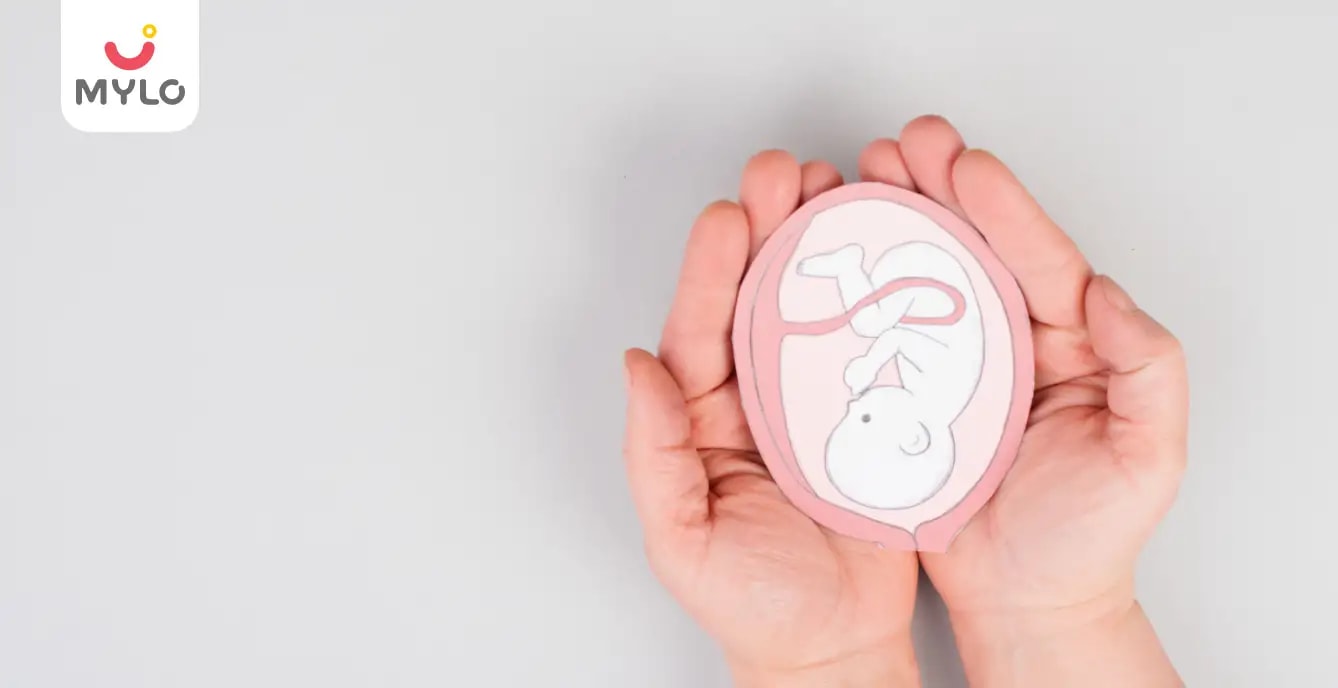
6 minPregnancy is often a very exciting yet challenging time for a woman. The body changes and expands in numerous ways to accommodate the growing foetus inside the uterus. In fact, at this time, the female body develops an entire organ known as the placenta. What is placenta, function of placenta, a few problems associated with it, and some ways to avoid these problems for a healthy pregnancy will be addressed here.
What is a placenta?
The placenta is an organ that develops in the uterus during pregnancy. It provides oxygen and nutrients to the baby while simultaneously removing waste products from the baby's blood. The organ is attached to the wall of the uterus and the umbilical cord. It is a temporary organ that begins to form when the fertilized egg implants in the endometrium or lining of the uterus. The placenta grows along with the baby and is evacuated after the baby is born.
What does the placenta do?
The main function of the placenta is to transfer oxygen and nutrients from the mother's blood to the baby's blood. The placenta also helps to remove waste products from the baby's blood.
The placenta is connected to the baby by the umbilical cord and helps in fetal growth and development. The umbilical cord contains two arteries and one vein. The arteries carry oxygen-poor blood from the baby to the placenta, and the vein carries oxygen-rich blood from the placenta back to the baby.
What factors influence the placenta's health?
Now that we know what is placenta and its functions, let us understand the factors that can influence the health of the placenta. The health of the placenta can be influenced by a variety of factors, including the mother's health, her diet, and exposure to toxins or infections. Here are a few factors to consider:
1. Maternal age
Placental functions can get complicated in women who get pregnant over the age of 40.
2. Obesity
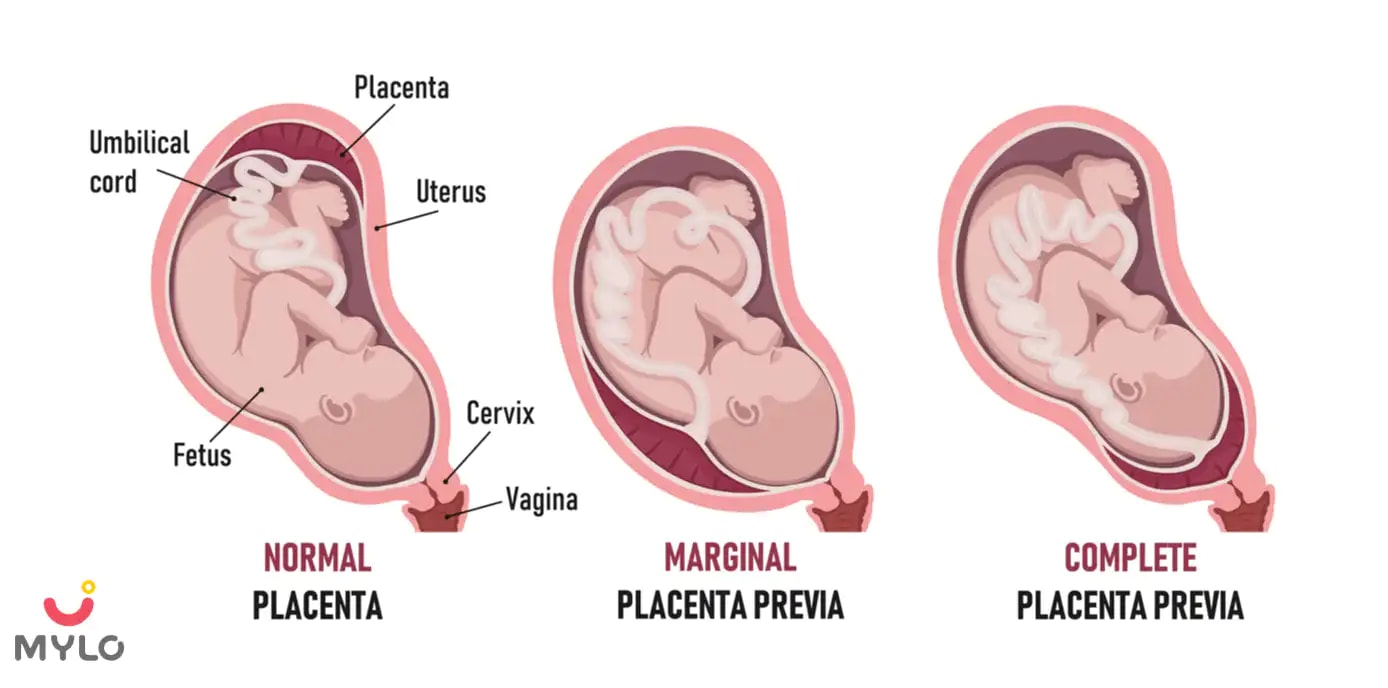
Maternal obesity is also a risk factor for placenta previa, a condition in which the placenta covers part or all of the cervix. This can cause bleeding and complications during delivery.
3. High blood pressure
High blood pressure during pregnancy can also negatively affect the placenta.
4. Substance use
Exposure to toxins, such as alcohol, cigarettes, or drugs, can also damage the placenta and adversely affect fetal development.
5. Trauma to the abdomen
A sudden or severe trauma to the abdomen can also severely damage the placenta. Hence, expectant mothers should be careful when they are carrying.
6. Infections
Infections during pregnancy are another common cause of placental problems. Infections such as the Zika virus or cytomegalovirus can damage the placenta and lead to serious birth defects.
What placental problems are most common?
Placental problems are most common during the third trimester of pregnancy when the placenta is growing the fastest.
1. Placenta Previa
The most common placental problem is placenta previa or low lying placenta, where the placenta partially or completely covers the cervix.
2. Placental Abruption
Placental abruption, where the placenta tears away from the uterine wall, is another serious placental problem.
3. Placenta Accreta
Placental accreta is another condition where the placenta is firmly attached to the uterine wall even after birth, causing heavy bleeding and complications.
What are the symptoms of placental problems?
There are a few different types of placenta problems that can occur during pregnancy. The most common symptom of a placenta problem is bleeding. This can range from light spotting to heavy bleeding and can happen at any time during the pregnancy. Other symptoms can include pain in the abdomen or pelvis, contractions, or a decrease in fetal movement. If one is experiencing any of these symptoms, it's important to contact a healthcare provider right away.
How to reduce the risk of placental problems?
The placenta is a complex organ that develops during pregnancy to support the growing fetus. It is responsible for exchanging nutrients and waste between the mother and baby, and also helps to regulate the baby's temperature.
Placental problems can occur when the placenta does not develop properly, or when it becomes detached from the uterine wall. This can lead to serious health complications for both the mother and baby.
There are several things that can be done to reduce the risk of placental problems:
- Ensuring that the mother has adequate nutrition during pregnancy
- Avoiding the use of tobacco, alcohol, or other substances
- Controlling chronic medical conditions such as hypertension
- Preparing for a healthy delivery by taking childbirth classes such as Lamaze
- Being aware of the signs and symptoms of placental problems so that medical help can be taken immediately if required.
Conclusion
In conclusion, the placenta is a vital organ that helps support a developing baby in the womb. It's important to understand what is placenta, how it works and what it does to ensure a healthy pregnancy. Unfortunately, there are many ways in which a placental complication can occur, impairing its function. However, with the right preemptive measures, it can be prevented. To know more about pregnancy-related complications or tips for a healthy delivery, explore the Mylo Family website.
References
1. Burton GJ, Fowden AL. (2105). The placenta: a multifaceted, transient organ. NCBI
2. Burton GJ, Jauniaux E. (2015). What is the placenta? Am J Obstet Gynecol. NCBI
Tags
Placenta: What is Placenta and How Does it Work in Hindi, Placenta: What is Placenta and How Does it Work in Tamil, Placenta: What is Placenta and How Does it Work in Telugu, Placenta: What is Placenta and How Does it Work in Bengali
 Yes
Yes
 No
No
Your parenting partner
in your pocket.
supportive community.

Your parenting partner
in your pocket.
supportive community.


Article Posted Under
Helpful Tools & Calculators
.webp&w=32&q=75)













Related Articles


Questions about this article
- Asked when 30 weeks pregnant
Mujhe ye problem hai ma kya kru 🥺🥺🥺
- Asked when 20 weeks pregnant
My wife has a placenta abrupt. Is it possible to fix the gap?? And what measure are we supposed to have??
- Asked by Mother of 1 Day Old Baby
ಕವಿತಾ.ಕುಂಬಾರ
Recently Published Articles
Your body needs extra nutrition this trimester - these can help.
IVF With Donor Egg Process Step by Step: A Beginner's Guide

How to Increase Newborn Baby Weight: Expert Tips and Tricks

How to prepare your child for pre-school

Should Pregnant Women Get Flu Shots

PCOS and Pregnancy: How to Manage PCOS on the Path to Parenthood
Medical Disclaimer
This content is for informational purposes only and should not replace professional medical advice. Consult with a physician or other health care professional if you have any concerns or questions about your health. If you rely on the information provided here, you do so solely at your own risk.


AWARDS AND RECOGNITION

Mylo wins Forbes D2C Disruptor award

Mylo wins The Economic Times Promising Brands 2022
AS SEEN IN












- Mylo Care: Effective and science-backed personal care and wellness solutions for a joyful you.
- Mylo Baby: Science-backed, gentle and effective personal care & hygiene range for your little one.
- Mylo Community: Trusted and empathetic community of 10mn+ parents and experts.


Product Categories
Baby Carrier | Baby Soap | Baby Wipes | Stretch Marks Cream | Baby Cream | Baby Shampoo | Baby Massage Oil | Baby Hair Oil | Stretch Marks Oil | Baby Body Wash | Baby Powder | Baby Lotion | Diaper Rash Cream | Newborn Diapers | Teether | Baby Kajal | Baby Diapers Pants | Cloth Diapers | Laundry Detergent | Lactation Granules |