


Orders

Profile

PCOD Diet: How the Right Diet Can Transform Your Life
 9 min
9 min

C-section & gynae problems · 4 years experience
Are you tired of battling the symptoms of Polycystic Ovarian Disease (PCOD)? Are hormonal imbalances and metabolic disruptions wreaking havoc on your life? It's time to take control and embrace a transformative change through the power of diet. In this article, we will explore the potential of a PCOD diet to alleviate symptoms and restore balance to your body. Join us as we dive into the world of nutrition, uncovering the secrets that can truly transform your life.
What is the role of diet for PCOD patient?
Polycystic Ovarian Disease (PCOD) is a hormonal disorder that affects many women worldwide. Along with medical intervention, adopting a healthy diet plays a crucial role in managing PCOS symptoms and improving overall health. A carefully crafted diet plan can help regulate hormone levels, control weight, reduce insulin resistance, and promote fertility. It is essential for women with PCOS to understand the importance of nutrition and make informed choices to transform their lives positively.
A diet chart for PCOD patient focuses on balancing blood sugar levels, managing weight, and reducing inflammation in the body. It should include a variety of nutrient-dense foods, such as whole grains, lean proteins, healthy fats, and plenty of fruits and vegetables. A dietitian or nutritionist can create a personalized diet chart for PCOD patients according to their specific needs and goals.
Food for PCOD
Here are some foods to include in your diet chart for PCOD:
1. Whole Grains
Foods like whole wheat, oats, quinoa, and brown rice are excellent sources of fiber and complex carbohydrates. These help regulate blood sugar levels and provide sustained energy throughout the day.
2. Lean Proteins
Include lean sources of protein such as chicken breast, fish, tofu, and legumes in your diet. Protein helps control appetite, maintain muscle mass, and support hormone production.
3. Healthy Fats
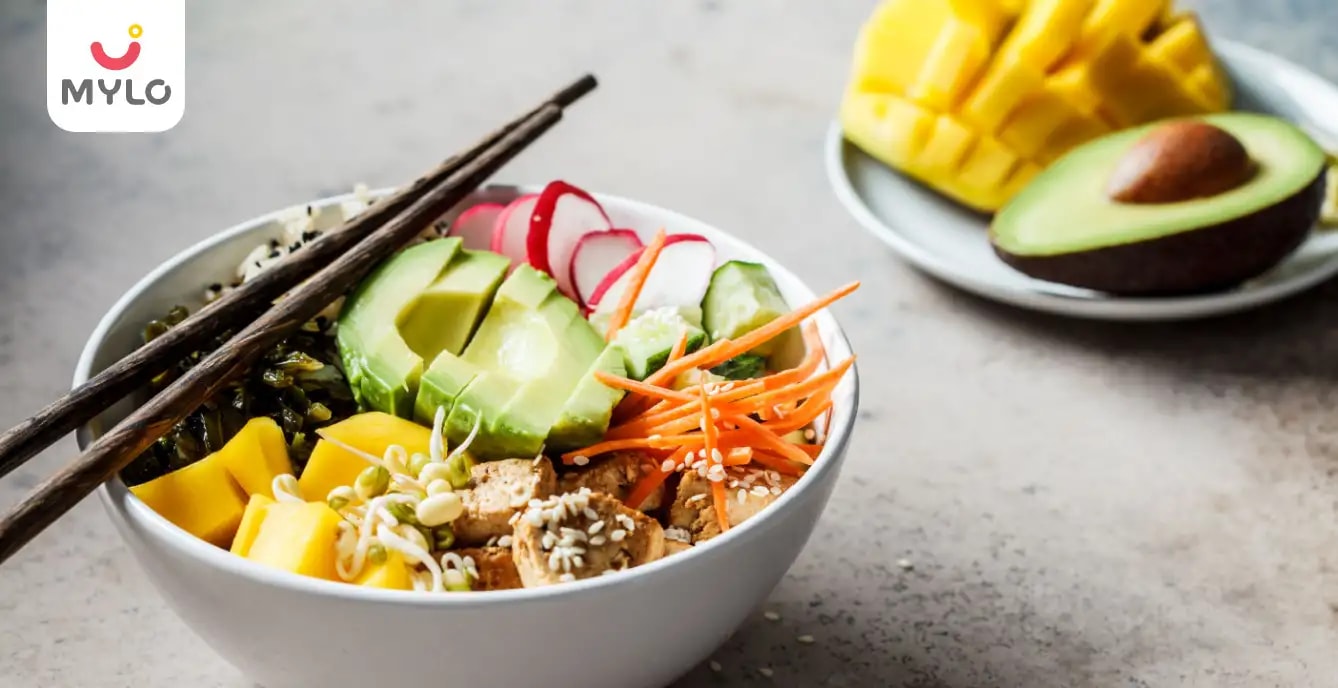
Incorporate healthy fats like avocados, nuts, seeds, and olive oil into your diet. These fats are essential for hormone balance, reducing inflammation, and supporting heart health.
4. Colorful Fruits and Vegetables
Aim for a variety of colorful fruits and vegetables to get a wide range of vitamins, minerals, and antioxidants. Berries, leafy greens, citrus fruits, and cruciferous vegetables like broccoli and cauliflower are particularly beneficial for PCOD patients.
5. Low-fat Dairy Products
Opt for low-fat dairy products like skim milk, yogurt, and cottage cheese. These provide calcium, vitamin D, and protein while keeping the fat content in check.
6. Herbs and Spices
Incorporate herbs and spices like turmeric, cinnamon, ginger, and garlic into your diet. These have anti-inflammatory properties and may help regulate insulin levels.
7. Flaxseeds
Flaxseeds are rich in omega-3 fatty acids and lignans, which can help reduce androgen levels in women with PCOS. Add ground flaxseeds to smoothies, yogurt, or sprinkle them over salads for added benefits.
8. Green Tea
Green tea is rich in antioxidants and has been shown to improve insulin sensitivity and reduce inflammation. Replace sugary beverages with a cup of green tea to reap its benefits.
Foods to avoid in PCOD
Here are some foods to avoid from your diet plan for PCOD:
1. Processed Foods
Processed foods, such as fast food, sugary snacks, and packaged meals, should be avoided as they often contain high levels of unhealthy fats, added sugars, and artificial ingredients. These can worsen PCOS symptoms and contribute to weight gain.
2. Refined Carbohydrates
Foods made with refined grains like white bread, white rice, and pasta should be limited as they can cause blood sugar spikes and increase insulin resistance. Choose whole grain alternatives instead.
3. Sugary Beverages
Sugar-sweetened beverages like sodas, energy drinks, and fruit juices should be eliminated from the diet. These drinks are high in added sugars and can lead to weight gain and insulin resistance.
4. Highly Processed Meats
Processed meats like sausages, hot dogs, and bacon are often high in unhealthy fats and sodium. These can contribute to inflammation and should be avoided or consumed in moderation.
5. Trans Fats
Trans fats are artificially created fats found in many processed and fried foods. They can increase inflammation, insulin resistance, and raise the risk of heart disease. Check food labels for "partially hydrogenated oils" and avoid products containing them.
6. High-Glycemic Index Foods
Foods with a high glycemic index, such as white potatoes, white bread, and sugary cereals, can cause rapid spikes in blood sugar levels. Choose low-glycemic index alternatives like sweet potatoes and whole grain cereals.
7. Excessive Caffeine
While moderate caffeine intake is generally safe, excessive consumption may interfere with hormone balance in women with PCOS. Limit your intake of coffee, energy drinks, and caffeinated beverages.
8. Alcohol
Alcohol can disrupt hormone balance, affect liver function, and contribute to weight gain. It is advisable to limit or avoid alcohol consumption for better PCOS management.
Myths about diet for PCOD patient and their truth
If you’re a woman struggling with PCOD, you must have come across several misconceptions that may leave you confused. Here’s the truth behind the most common myths related to diet in PCOD:
Myth 1: "Cutting out carbs is the best way to manage PCOS."
Truth: While it is important to choose healthy carbohydrates and control portion sizes, completely eliminating carbs is not necessary or advisable. Whole grains and complex carbs are essential for providing energy, fiber, and important nutrients.
Myth 2: "A high-protein diet is the key to PCOS weight loss."
Truth: While protein is important for weight management, focusing solely on protein can lead to an imbalanced diet. A well-rounded diet that includes a balance of carbohydrates, protein, and healthy fats is ideal for PCOS patients.
Myth 3: "Eating small, frequent meals is better for PCOS."
Truth: There is no one-size-fits-all approach to meal frequency. Some women with PCOS may benefit from eating smaller, more frequent meals, while others may prefer three balanced meals per day. It is important to listen to your body and find what works best for you.
Myth 4: "All fats are bad for PCOS patients."
Truth: Not all fats are created equal. Healthy fats, such as those found in avocados, nuts, and olive oil, are essential for hormone production and overall health. It is important to include these in moderation as part of a balanced diet.
Myth 5: "Supplements can replace a healthy PCOS diet."
Truth: While supplements may be beneficial in some cases, they should not be seen as a replacement for a healthy diet. A well-rounded diet that includes a variety of nutrient-dense foods is the foundation for managing PCOS.
You may also like : PCOD Cure: The Ultimate Guide to Managing PCOD at Home
Tips for sticking to a PCOD diet
It can be hard to follow a diet but here are some tips that may help you:
1. Meal Planning
Plan your meals and snacks in advance to ensure you have nutritious options readily available. This will help you avoid making impulsive food choices and stick to your diet.
2. Batch Cooking
Prepare meals in larger quantities and store them in portion-sized containers. This will save time and make it easier to stick to your diet, especially on busy days.
3. Keep Healthy Snacks Handy
Stock your pantry and fridge with healthy snacks like cut-up fruits, Greek yogurt, raw nuts, and vegetable sticks. Having these options readily available will prevent you from reaching for unhealthy alternatives.
4. Stay Hydrated
Drink plenty of water throughout the day to stay hydrated and curb unnecessary food cravings. Sometimes thirst can be mistaken for hunger, so reach for a glass of water before grabbing a snack.
5. Practice Mindful Eating
Pay attention to your hunger and fullness cues when eating. Slow down, savor each bite, and listen to your body's signals. This will help you avoid overeating and make healthier food choices.
FAQs
1. Which drink is best for PCOD?
When it comes to choosing the best drink for PCOD, herbal teas like PCOS/PCOD tea can be beneficial for PCOD patients. They have been shown to reduce androgen levels and improve hormonal balance in women.
2. Which fruits are good for PCOD?
Some fruits that are particularly beneficial for PCOD patients include berries, citrus fruits, apples, pears and avocados.
Final Thoughts
Adopting a healthy PCOD diet can have a transformative impact on the lives of women with PCOS. By focusing on nutrient-dense foods, avoiding processed and sugary foods, and making mindful choices, PCOD patients can regulate hormone levels, manage weight, and improve overall health. Remember to work with a healthcare professional or a registered dietitian to create a personalized diet plan that suits your individual needs and goals.
References
1. Douglas CC, Gower BA, Darnell BE, Ovalle F, Oster RA, Azziz R.(2006). Role of diet in the treatment of polycystic ovary syndrome. Fertil Steril.
2. Cowan S, Lim S, Alycia C, Pirotta S, Thomson R, Gibson-Helm M, Blackmore R, Naderpoor N, Bennett C. (2023). Lifestyle management in polycystic ovary syndrome - beyond diet and physical activity. BMC Endocr Disord.
 Yes
Yes
 No
No
Your parenting partner
in your pocket.
supportive community.

Your parenting partner
in your pocket.
supportive community.


Article Posted Under
Dr. Shruti Tanwar is well qualified and competent Obstetrician and Gynecologist with more than 4 years of experience. She is well updated and has worked and gained experience from the most prime institute of Delhi-Safdarjung Hospital. She has innate ability to listen and understand your problem and give detailed personalized advice and evidence-based treatment. She specializes in treatment for high-risk pregnancy, vaginal discharge, endometriosis, fibroids, ovarian cysts etc.
Related Articles

Questions about this article
- Asked when 33 weeks pregnant
Influenza and boostrix injection kisiko laga hai kya 8 month pregnancy me and q lagta hai ye plz reply me
- Asked when 7 weeks pregnant
Hai.... My last period was in feb 24. I tested in 40 th day morning 3:30 .. That is faint line .. I conculed mylo thz app also.... And I asked tha dr wait for 3 to 5 days ... Im also waiting ... Then I test today 4:15 test is sooooo faint ... And I feel in ma body no pregnancy symptoms. What can I do .
- 26 weeks pregnant
Baby kicks KB Marta hai Plz tell mi
- trying to conceive
PCOD kya hota hai
- Asked when trying to conceive
How to detect pcos
Related Topics
.webp&w=32&q=75)
Recently Published Articles
Your body needs extra nutrition this trimester - these can help.

PCOS Weight Loss in 1 Month: How to Shed Pounds Fast

Lump in Breast During Pregnancy: When to Get Serious and Visit a Doctor

Top 25 Pregnancy Quotes To Keep You Motivated & Happy During Pregnancy
The Science of Medohar Guggulu: How it Aids Weight Management
Ayurvedic Medicine for Weight Loss: Your Guide to Time-Tested Solutions
Medical Disclaimer
This content is for informational purposes only and should not replace professional medical advice. Consult with a physician or other health care professional if you have any concerns or questions about your health. If you rely on the information provided here, you do so solely at your own risk.


AWARDS AND RECOGNITION

Mylo wins Forbes D2C Disruptor award

Mylo wins The Economic Times Promising Brands 2022
AS SEEN IN












- Mylo Care: Effective and science-backed personal care and wellness solutions for a joyful you.
- Mylo Baby: Science-backed, gentle and effective personal care & hygiene range for your little one.
- Mylo Community: Trusted and empathetic community of 10mn+ parents and experts.


Product Categories
Baby Carrier | Baby Soap | Baby Wipes | Stretch Marks Cream | Baby Cream | Baby Shampoo | Baby Massage Oil | Baby Hair Oil | Stretch Marks Oil | Baby Body Wash | Baby Powder | Baby Lotion | Diaper Rash Cream | Newborn Diapers | Teether | Baby Kajal | Baby Diapers Pants | Cloth Diapers | Laundry Detergent | Lactation Granules |