


Orders
.png&w=48&q=75 "login")
Profile


Wallet

Ovulation Induction: Understanding Meaning, Process and Natural Alternatives
 8 min
8 minAditi and Tushar had been trying to conceive for over two years now but found no success. After persistent persuasion from family members, they both finally decided to consult a fertility specialist. Several appointments and tests later, the doctor recommended Aditi to consider ovulation induction. Hearing this term for the first time, both Aditi and Tushar, decided to research it in depth, understand its meaning, procedure, pros and cons and even how to induce ovulation naturally.
So, let’s accompany them on their journey and gain insights into the ovulation induction procedure.
Ovulation Induction Meaning
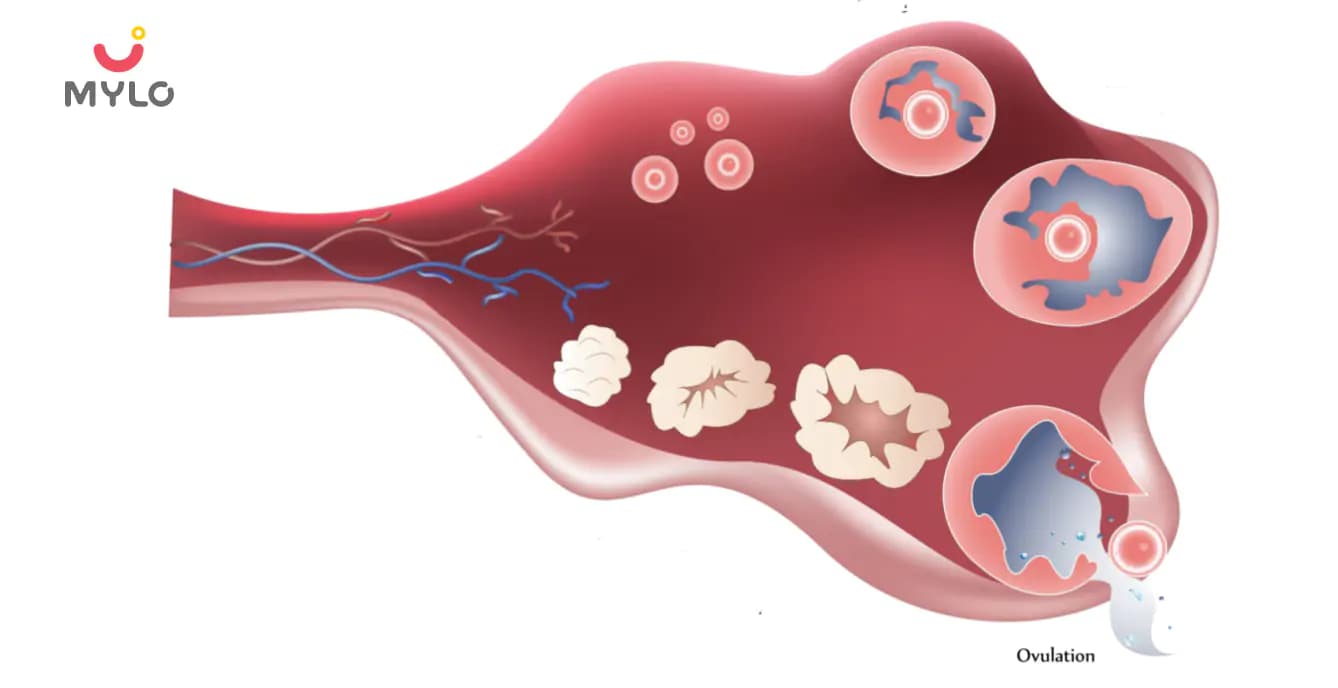
Ovulation induction is a medical procedure that helps stimulate the release of eggs from the ovaries. It is often used as a treatment for women who have irregular or absent ovulation, which can make it difficult for them to conceive. The process involves the use of medicine to induce ovulation and regulate it. By understanding the meaning of ovulation induction, individuals can gain insight into its purpose and potential benefits.
What is the Need for the Ovulation Induction Process?
Ovulation is a crucial step in the reproductive cycle, as it allows for the release of eggs that can be fertilized by sperm. When ovulation does not occur regularly or at all, achieving pregnancy becomes challenging. Ovulation induction helps to stimulate the ovaries to release eggs, increasing the chances of conception.
Here are five common scenarios where ovulation induction can offer hope and increase the chances of conception:
1. Irregular or Anovulatory Cycles
Women who experience irregular menstrual cycles or do not ovulate regularly may benefit from ovulation induction. This could be due to hormonal imbalances, polycystic ovary syndrome (PCOS), or other underlying conditions that affect ovulation.
2. Unexplained Infertility
When couples undergo extensive fertility testing, including sperm analysis and fallopian tube assessment, and no apparent cause for infertility is found, ovulation induction can be a viable option. It helps stimulate the ovaries to release eggs and increases the chances of fertilization.
3. Male Factor Infertility
Ovulation induction can also be beneficial when the male partner has fertility issues, such as low sperm count or poor sperm motility. By timing ovulation and coordinating it with intrauterine insemination (IUI) or in vitro fertilization (IVF), the chances of successful conception can be improved.
4. Advanced Maternal Age
As a woman gets older, her ovarian reserve declines, making it harder to conceive. Ovulation induction can help overcome this challenge by stimulating the ovaries to produce more eggs, increasing the chances of successful fertilization and pregnancy.
Read About: Diminished Ovarian Reserve
5. Unsuccessful Natural Conception
For couples who have been trying to conceive naturally for an extended period without success, ovulation induction can be a next step. By closely monitoring the woman's menstrual cycle and using medications like clomiphene citrate or gonadotropins, ovulation can be induced, improving the chances of pregnancy.
While ovulation induction offers hope to those struggling with fertility, it's essential to consider other natural alternatives and lifestyle changes before opting for medical interventions. These alternatives may include foods to induce ovulation naturally, stress reduction techniques, acupuncture, and herbal remedies.
How is the Ovulation Induction Procedure Carried Out?
The ovulation induction process typically involves the use of medication to regulate and induce ovulation. The specific medication prescribed may vary depending on the underlying cause of the ovulation issue. Commonly used medications include clomiphene citrate, letrozole, and gonadotropins. These medications work by stimulating the ovaries to produce and release eggs.
The process usually begins with an initial evaluation of the woman's hormone levels and ovarian function. Once the appropriate medication is prescribed, the woman will be closely monitored through ultrasound and hormone tests to determine the optimal timing for intercourse or Intrauterine Insemination (IUI).
You may also like : Pregnancy Symptoms After Ovulation Day by Day: Exploring the Daily Progression
What are Some Ovulation Induction Drugs?
There are several medicines to induce ovulation. Clomiphene citrate, also known as Clomid, is often the first-line treatment for women with ovulation problems. It works by blocking estrogen receptors in the brain, stimulating the release of hormones that trigger ovulation. Letrozole, another medication used for inducing ovulation, was originally developed to treat breast cancer.
However, it has also been found to be effective in stimulating ovulation. Gonadotropins, such as follicle-stimulating hormone (FSH) and luteinizing hormone (LH), can be used in women who do not respond to other medications. These hormones directly stimulate the ovaries to produce and release eggs.
How Long Can You Take Ovulation Induction Tablets?
The duration of ovulation induction treatment with tablets can vary depending on the individual's response. In most cases, treatment is initiated for five days, starting on the second or third day of the menstrual cycle.
However, the length of treatment may be extended for several cycles if ovulation does not occur or if the woman does not conceive. It is important to closely follow the instructions provided by the healthcare provider and attend regular check-ups to monitor the progress of ovulation induction.
What are Some Common Ovulation Induction Side Effects?
Like any medication, ovulation induction drugs can have side effects. The most common side effects include hot flashes, mood swings, breast tenderness, and bloating. These side effects are typically mild and resolve on their own.
In rare cases, a condition called ovarian hyperstimulation syndrome (OHSS) may occur. OHSS is characterized by the enlargement of the ovaries and the accumulation of fluid in the abdomen. It can cause abdominal pain, nausea, and shortness of breath. If any severe or persistent side effects occur, it is important to consult with a healthcare provider.
How to Induce Ovulation Naturally?
While medication is commonly used for inducing ovulation, there are also natural methods that can help stimulate ovulation. One natural approach is through dietary changes. Certain foods have been found to have properties that can promote ovulation. For example, foods rich in omega-3 fatty acids, such as salmon and flaxseeds, may help regulate hormones and improve ovulation.
Similarly, consuming a diet high in antioxidants, found in fruits and vegetables, can support reproductive health. Additionally, managing stress levels, getting regular exercise, and maintaining a healthy weight can also contribute to natural ovulation induction.
Foods to Induce Ovulation Naturally
Here are some foods that can help induce ovulation:
1. Salmon
Rich in omega-3 fatty acids, salmon can help regulate hormones and promote ovulation.
2. Flaxseeds
These tiny seeds are packed with omega-3 fatty acids and fiber, which can aid in hormonal balance.
3. Berries
Blueberries, raspberries, and strawberries are rich in antioxidants, which can support reproductive health.
4. Leafy Greens
Spinach, kale, and other leafy greens are high in folate and iron, nutrients essential for ovulation.
5. Avocado
This fruit is a great source of healthy fats and vitamin E, which can promote hormonal balance.
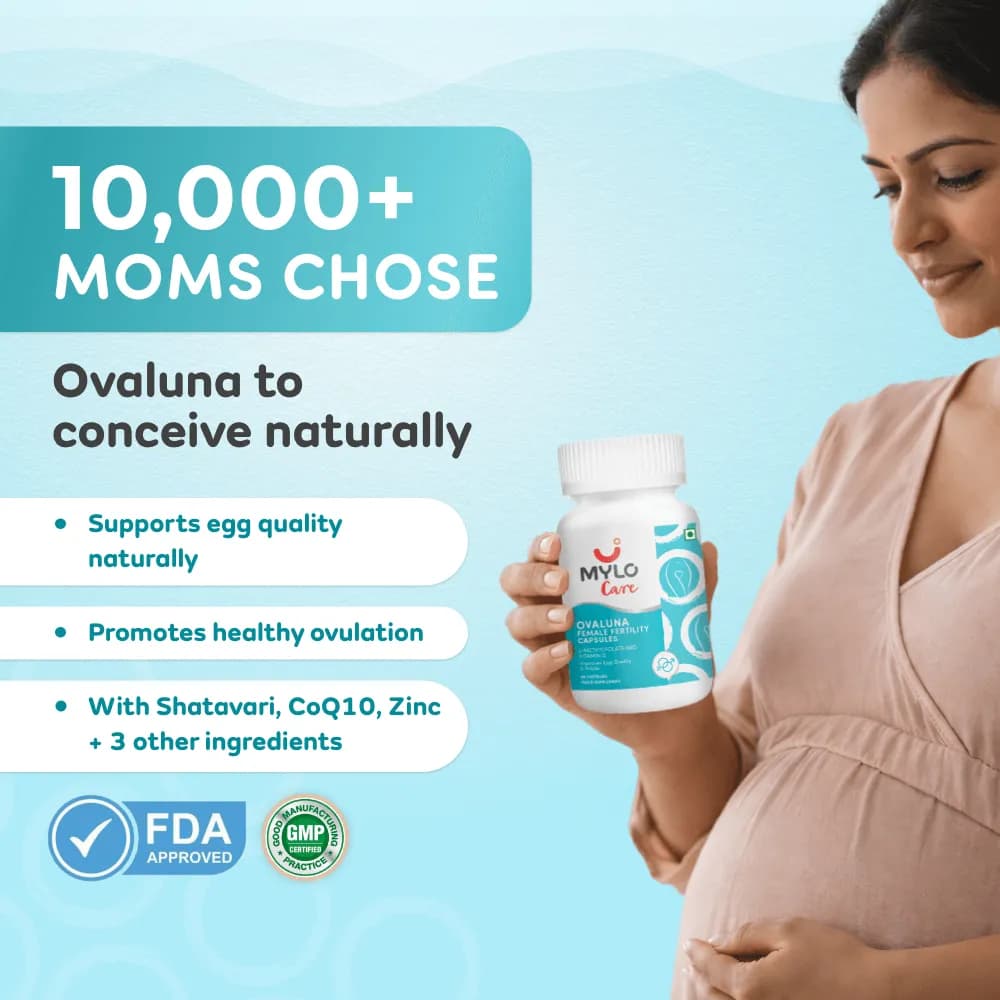
Women looking to boost their ovulation naturally can also try Mylo's Ovaluna Female Fertility Capsules, which are an effective blend of fertility-boosting supplements like CoQ10, L-methyl folate, zinc, Vitamin D2, Vitamin B12 and shatavari, among others. These ingredients are known to improve egg health and development, maintain hormonal balance, prevent fertility complications and regulate menstrual and ovulation cycle.
Final Thoughts
Ovulation induction is a medical procedure that can help women overcome fertility challenges caused by irregular or absent ovulation. By understanding its meaning, process, and potential side effects, individuals can make informed decisions about their reproductive health. While ovulation induction drugs are often used to induce ovulation, natural alternatives, such as dietary changes and lifestyle modifications, can also be beneficial. It is important to consult with a healthcare provider to determine the most suitable approach for each individual.
References
1. Sharma M, Balasundaram P. Ovulation Induction Techniques. (2023). In: StatPearls [Internet]. Treasure Island (FL): StatPearls Publishing
2. Lindheim SR, Glenn TL, Smith MC, Gagneux P. (2018). Ovulation Induction for the General Gynecologist. J Obstet Gynaecol India.
3. Kar S. (2012). Clomiphene citrate or letrozole as first-line ovulation induction drug in infertile PCOS women: A prospective randomized trial. J Hum Reprod Sci.
Mylo Ovaluna Female Fertility Tablets - 60 Capsules
Improves Egg Health & Folate Levels |Improves Reproductive Health & Hormonal Balance



Article Posted Under
Related Articles
Related Topics
.webp&w=32&q=75)
Medical Disclaimer
This content is for informational purposes only and should not replace professional medical advice. Consult with a physician or other health care professional if you have any concerns or questions about your health. If you rely on the information provided here, you do so solely at your own risk.


AWARDS AND RECOGNITION

Mylo wins Forbes D2C Disruptor award

Mylo wins The Economic Times Promising Brands 2022
AS SEEN IN













- Mylo Care: Effective and science-backed personal care and wellness solutions for a joyful you.
- Mylo Baby: Science-backed, gentle and effective personal care & hygiene range for your little one.
- Mylo Community: Trusted and empathetic community of 10mn+ parents and experts.


Product Categories
Baby Carrier | Baby Soap | Baby Wipes | Stretch Marks Cream | Baby Cream | Baby Shampoo | Baby Massage Oil | Baby Hair Oil | Stretch Marks Oil | Baby Body Wash | Baby Powder | Baby Lotion | Diaper Rash Cream | Newborn Diapers | Teether | Baby Kajal | Baby Diapers Pants | Cloth Diapers | Laundry Detergent | Lactation Granules |