


Orders

Profile

Oligomenorrhea: What Every Woman Needs to Know About Irregular Periods
 9 min
9 min

C-section & gynae problems · 4 years experience
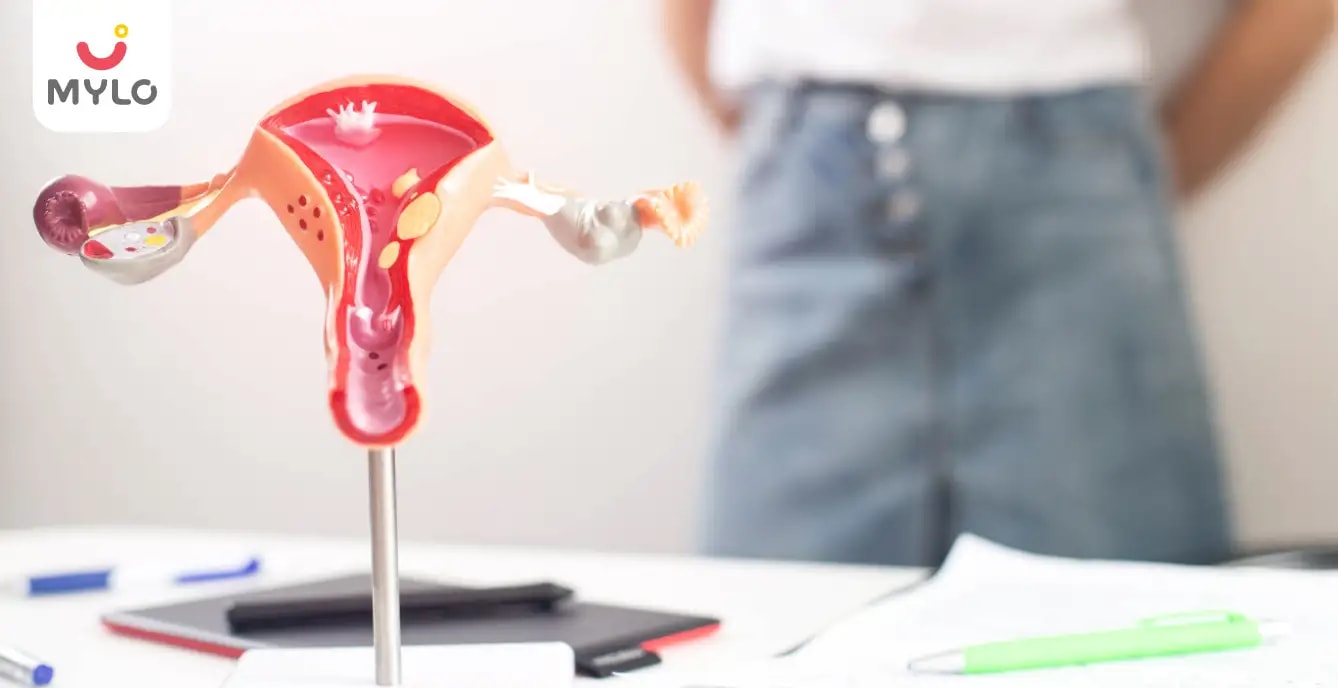
In the secret chambers of a woman's body lies an enigmatic dance of hormones and a monthly ritual where blood is shed without a war (wink). Yes, we're talking about periods. But what happens when this rhythm is broken, and the dates keep changing? Oligomenorrhea is a condition where a woman experiences irregular and scanty bleeding during periods.
In this article, we will explore all the facets of oligomenorrhea, from causes to management. So, ladies, let's get started!
Oligomenorrhea Meaning and Definition
Oligomenorrhea meaning says when a woman experiences infrequent or irregular menstrual cycles. It is characterized by long gaps between periods, with intervals exceeding 35 days or more.
Oligomenorrhea has derived from the Greek words "oligo," meaning few or scanty, and "menorrhea," which signifies menstrual flow. Instead of the anticipated monthly occurrence, periods become sporadic, unpredictable, and at times, alarmingly scarce.
Oligomenorrhea Symptoms and Signs
Oligomenorrhea symptoms and signs are as follows:
-
Long gaps between menstrual periods
-
Infrequent or irregular menstrual cycles
-
Scanty or light menstrual flow
-
Unpredictable timing of periods
-
Difficulty in predicting or tracking ovulation
-
Changes in menstrual cycle length
-
Hormonal fluctuations lead to mood swings
-
Potential fertility issues
-
Increased stress and anxiety due to irregular periods
-
Possible underlying health conditions requiring medical attention
Causes of Oligomenorrhea
Causes of oligomenorrhea or irregular periods are:
1. Hormonal imbalances
Imbalances in estrogen and progesterone levels can disrupt the menstrual cycle.
2. Polycystic ovary syndrome (PCOS)
This condition can cause irregular periods due to hormonal irregularities and ovary cyst formation.
3. Thyroid disorders
An overactive or underactive thyroid gland can affect menstrual regularity.
4. Stress and emotional factors
High stress, anxiety, or emotional disturbances can disrupt the hormonal balance and menstrual cycle.
5. Medications and contraceptives
Certain medications, such as hormonal contraceptives or drugs affecting hormone levels, can cause menstrual irregularities.
6. Reproductive disorders
Conditions like endometriosis or uterine fibroids can affect menstrual regularity.
7. Perimenopause
As women approach menopause, hormonal fluctuations can cause irregular periods.
8. Other factors
Confident lifestyle choices, nutritional deficiencies, and excessive alcohol or drug use can also contribute to oligomenorrhea.
Diagnosis and Treatment of Oligomenorrhea
Oligomenorrhea can be diagnosed through the following tests:
1. Medical history and physical examination
The doctor will review your medical history, ask about your symptoms, and conduct a physical examination to assess any underlying causes or related conditions.
2. Hormone level testing
Blood tests may be performed to measure hormone levels, including estrogen, progesterone, thyroid-stimulating hormone (TSH), and other relevant hormones.
3. Imaging tests
Ultrasound or other imaging tests may be used to evaluate the reproductive organs for any structural abnormalities or cysts.
4. Biopsy
In some cases, a tissue sample may be taken from the lining of the uterus (endometrial biopsy) to rule out certain conditions.
The treatment approach for oligomenorrhea depends on the underlying cause and individual circumstances. Here are some standard treatment options:
5. Hormonal therapy
Hormonal medications, such as oral contraceptives or hormone replacement therapy, may be prescribed to regulate menstrual cycles and balance hormone levels.
6. Treatment of underlying conditions
If an underlying condition, such as polycystic ovary syndrome (PCOS) or thyroid disorder, is causing oligomenorrhea, specific treatment may be recommended.
7. Fertility treatments
In cases where fertility is a concern, assisted reproductive technologies or fertility medications may be used to enhance ovulation and increase the chances of pregnancy.
8. Surgical interventions
Surgery may sometimes be necessary to address structural abnormalities, such as ovarian cysts or uterine fibroids, causing irregular periods.
Lifestyle Changes to Manage Oligomenorrhea
Here are some lifestyle changes that can help you manage irregular periods:
-
Achieving and maintaining a healthy weight can help regulate menstrual cycles and improve hormonal balance.
-
Focus on a nutritious diet that includes a variety of fruits, vegetables, whole grains, lean proteins, and healthy fats.
-
Engage in regular physical activity as it can help regulate hormones and promote overall well-being.
-
Incorporate stress-management techniques into your routine, such as meditation, deep breathing exercises, yoga, or engaging in hobbies that help you relax.
-
Limit your intake of caffeine and alcohol, as they can disrupt hormone levels and affect menstrual regularity. Opt for healthier alternatives like herbal teas
-
Drink adequate water throughout the day to support overall health and hormonal balance.
-
If you smoke, consider quitting, as smoking has been linked to hormonal imbalances and menstrual irregularities.
Medications for Oligomenorrhea Treatment
Here are some medications that can help in oligomenorrhea treatment:
1. Oral Contraceptives
Birth control pills containing estrogen and progestin can help regulate menstrual cycles by maintaining a steady hormonal balance.
2. Progestin Therapy
Progestin, a synthetic form of progesterone, can be prescribed to induce regular periods. It is usually taken for a specific duration to stimulate the shedding of the uterine lining and initiate a menstrual period.
3. Metformin
This medication is commonly used to treat polycystic ovary syndrome (PCOS), a common cause of oligomenorrhea. Metformin helps improve insulin sensitivity and regulate hormone levels, promoting regular menstrual cycles.
4. Gonadotropins
In some instances where hormonal imbalances are severe, follicle-stimulating hormone (FSH) and luteinizing hormone (LH) may be administered to stimulate ovulation and regulate menstrual cycles.
5. Thyroid Medications
If oligomenorrhea is caused by an underactive thyroid gland (hypothyroidism), thyroid hormone replacement therapy may be prescribed to restore thyroid hormone levels and improve menstrual regularity.
It's important to note that the choice of medication and dosage depends on the underlying cause of oligomenorrhea and individual patient factors.
The Link between Oligomenorrhea and Fertility
Oligomenorrhea, characterized by infrequent or irregular menstrual periods, can affect fertility. Irregular ovulation or lack of ovulation is often associated with oligomenorrhea, making it challenging for women to conceive. Additionally, women with oligomenorrhea may have a shorter window of fertility each month.
Complications of Oligomenorrhea
Oligomenorrhea, characterized by infrequent or irregular menstrual periods, can sometimes lead to certain complications. Here are some potential complications associated with oligomenorrhea:
1. Infertility
Oligomenorrhea can be a contributing factor to infertility. Irregular or infrequent ovulation, often associated with oligomenorrhea, can make it harder to conceive. If a woman is not ovulating regularly, the release of an egg for fertilization may be hindered.
2. Hormonal Imbalances
Oligomenorrhea can be caused by hormonal imbalances, such as polycystic ovary syndrome (PCOS) or thyroid disorders. These imbalances can have broader effects on the body, potentially leading to complications beyond menstrual irregularities, such as weight gain, acne, and hair growth.
3. Underlying Health Conditions
Oligomenorrhea can sometimes be a symptom of underlying health conditions that require medical attention. These conditions may include polycystic ovary syndrome (PCOS), hormonal imbalances, thyroid disorders, or reproductive organ abnormalities. If left untreated, these conditions can lead to further complications.
You may also like: Adenomyosis Vs Endometriosis: How to Spot the Symptoms and Seek Early Intervention
How to Overcome Irregular Periods Naturally?
Overcoming irregular periods naturally can involve implementing specific lifestyle changes and incorporating natural remedies. Here are some tips to help you regulate your menstrual cycle naturally:
1. Maintain a Balanced Diet
Focus on consuming a nutritious diet that includes a variety of fruits, vegetables, whole grains, lean proteins, and healthy fats. Avoid processed foods, excessive sugar, and unhealthy fats that can disrupt hormonal balance.
2. Regular Exercise
Engage in regular physical activity to promote hormonal balance and overall well-being. Incorporate exercises such as walking, jogging, yoga, or cycling into your routine.
3. Manage Stress
Practice stress-management techniques like meditation, deep breathing exercises, or engaging in relaxing and rejuvenating activities.
4. Herbal Remedies
Certain herbs like Shatavari, ginger, and cinnamon have been traditionally used to regulate menstrual cycles.
5. Maintain a Healthy Weight
Achieve and maintain a healthy weight, as fluctuations in weight can impact your menstrual cycle. Strive for a balanced weight through a healthy diet and regular exercise.
6. Limit Caffeine and Alcohol
Reduce your intake of caffeine and alcohol, as they can disrupt hormone levels and contribute to irregular periods.
7. Track Your Menstrual Cycle
Record your menstrual cycle, noting the duration and any irregularities. This can help you identify patterns and share important information with your healthcare provider.
It's important to remember that natural remedies may take time to show results, and individual responses may vary. Be patient, listen to your body, and consult a healthcare professional for personalized advice and guidance.
Conclusion: Taking Control of Your Reproductive Health
By implementing these natural strategies and making positive changes in your lifestyle, you can take control of your reproductive health and oligomenorrhea. Remember, maintaining a balanced diet, exercising regularly, managing stress, and incorporating herbal remedies can all contribute to hormonal balance and a regular menstrual cycle.
References
1. He Y, Zheng D, Shang W, Wang X, Zhao S, Wei Z, Song X, Shi X, Zhu Y, Wang S, Li R, Qiao J.(2020). Prevalence of oligomenorrhea among women of childbearing age in China
2. Moini Jazani A, Hamdi K, Tansaz M, Nazemiyeh H, Sadeghi Bazargani H, Fazljou SMB, Nasimi Doost Azgomi R. (2018).Herbal Medicine for Oligomenorrhea and Amenorrhea
 Yes
Yes
 No
No
Your parenting partner
in your pocket.
supportive community.

Your parenting partner
in your pocket.
supportive community.


Article Posted Under
Dr. Shruti Tanwar is well qualified and competent Obstetrician and Gynecologist with more than 4 years of experience. She is well updated and has worked and gained experience from the most prime institute of Delhi-Safdarjung Hospital. She has innate ability to listen and understand your problem and give detailed personalized advice and evidence-based treatment. She specializes in treatment for high-risk pregnancy, vaginal discharge, endometriosis, fibroids, ovarian cysts etc.
Related Articles
The Floor Toddlers Live on and Why Keeping It Clean and Safe Matters
5· 4 min
4 min Home Hygiene and the Importance of Clean Floors During Pregnancy
6·4 min Are Lactation Supplements Safe and How to Choose the Right One?
7 min How Should You Take lactomama Lactation Granules And What is The Best Time of Day to Take Them for Better Results?
7 min
Questions about this article
- Asked when 38 weeks pregnant
Hello frnds..still no pain...doctor said head fix nhi hua hai..bt vagina me pain hai aur back pain bhi... anyone having same issues??
- Asked when 23 weeks pregnant
Kon kon c chije aisi hai jo pregnancy mei gas acidity jalan karti hain... Koi btayega plz bcz mujhe aksar khane ke baad hi samagh aata hai ki is chij se gas acidity jalan ho gyi hai. Please share your knowledge
- 14 weeks pregnant
I am 13 week pregnancy. Anyone having Storione-xt tablet. It better to have morning or night ???
- Asked when 10 weeks pregnant
Hlo to be moms....i hv a query...in my 9.5 wk i feel body joint pain like in ankle, knee, wrist, shoulder, toes....pain intensity is high...i cnt sleep....what should i do pls help....cn i cosult my doc.
- Asked when 33 weeks pregnant
Influenza and boostrix injection kisiko laga hai kya 8 month pregnancy me and q lagta hai ye plz reply me
Related Topics
.webp&w=32&q=75)
Recently Published Articles
Your body needs extra nutrition this trimester - these can help.

Pelvic Pain: Causes, Symptoms and Treatment Options
The Ultimate Guide to Consuming Pista During Pregnancy

Crab During Pregnancy: Benefits, Risks and Smart Choices
Helping your twins to sleep at the same time
Important Days and Dates in 2026, A Complete Awareness Calendar for Families
Medical Disclaimer
This content is for informational purposes only and should not replace professional medical advice. Consult with a physician or other health care professional if you have any concerns or questions about your health. If you rely on the information provided here, you do so solely at your own risk.


AWARDS AND RECOGNITION

Mylo wins Forbes D2C Disruptor award

Mylo wins The Economic Times Promising Brands 2022
AS SEEN IN












- Mylo Care: Effective and science-backed personal care and wellness solutions for a joyful you.
- Mylo Baby: Science-backed, gentle and effective personal care & hygiene range for your little one.
- Mylo Community: Trusted and empathetic community of 10mn+ parents and experts.


Product Categories
Baby Carrier | Baby Soap | Baby Wipes | Stretch Marks Cream | Baby Cream | Baby Shampoo | Baby Massage Oil | Baby Hair Oil | Stretch Marks Oil | Baby Body Wash | Baby Powder | Baby Lotion | Diaper Rash Cream | Newborn Diapers | Teether | Baby Kajal | Baby Diapers Pants | Cloth Diapers | Laundry Detergent | Lactation Granules |