


Orders

Profile

Normal Endometrial Thickness: A Key Indicator of Female Fertility
 7 min
7 min

C-section & gynae problems · 4 years experience
The journey towards motherhood is a cherished dream for countless women around the world. However, conceiving a child is not always a straightforward process. Understanding the intricacies of female fertility is essential in this pursuit, and one crucial factor that plays a significant role is having normal endometrial thickness.
In this article, we will explore the factors that influence endometrial thickness, how it is measured, and what it signifies for a woman's chances of conceiving.
What is Endometrial Thickness and Its Importance?
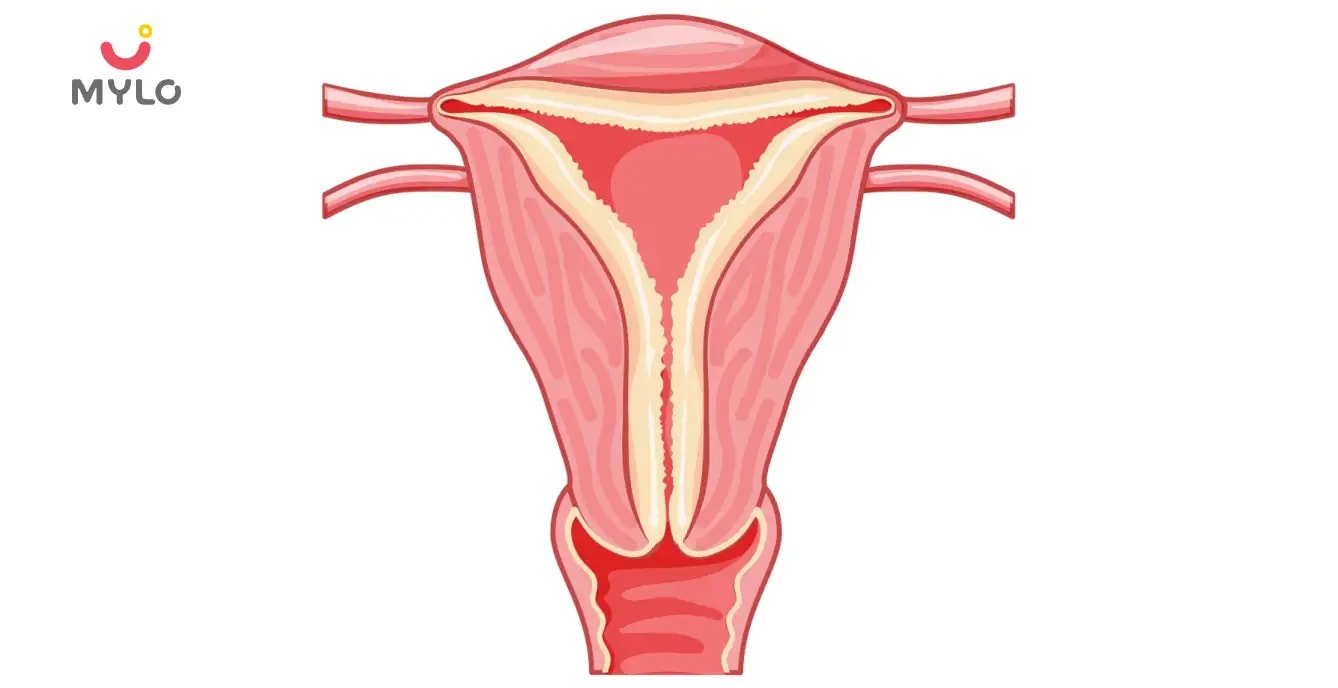
The endometrium is the lining of the uterus that prepares itself for pregnancy every month. The endometrium undergoes changes throughout a woman's menstrual cycle. At the beginning of the cycle, after the menstrual bleeding phase, the endometrium starts to thicken under the influence of hormones.
This thickening is essential for the implantation of a fertilized egg. If the endometrium is too thin, it may lead to difficulty in implantation and increase the risk of early miscarriage. On the other hand, if the endometrium is too thick, it may indicate certain medical conditions, such as polyps or hormonal imbalances, which can affect fertility.
You may also like : How to Increase Endometrial Thickness: Your Guide to Science-Backed Tips
What are the Factors Affecting Thickness of Endometrium?
Several factors can influence the thickness of the endometrium. These factors can vary from person to person and can impact fertility. Here are five key factors affecting normal endometrial thickness for pregnancy:
1. Hormonal Imbalances
Hormonal imbalances, such as an excess of estrogen or progesterone, can lead to abnormal endometrial thickening or thinning. These imbalances can be caused by various factors, including stress, polycystic ovary syndrome (PCOS), thyroid disorders, or certain medications.
2. Age
As women age, the endometrial lining may naturally become thinner. This is especially true during perimenopause and menopause when hormonal fluctuations occur.
3. Menstrual Disorders
Women with irregular menstrual cycles or conditions such as endometriosis or uterine fibroids may experience abnormal endometrial thickness. These conditions can disrupt the normal growth and shedding of the endometrium.
4. Medications
Certain medications, such as fertility drugs or hormonal contraceptives, can affect the thickness of the endometrial lining. It is important to discuss the potential impact of medications on endometrial thickness with a healthcare provider.
5. Lifestyle Factors
Lifestyle choices, including smoking, excessive alcohol consumption, poor diet, and sedentary behavior, can impact hormone levels and, consequently, endometrial thickness.
You may also like : Endometrial Polyp and Pregnancy: How Uterine Polyps Can Affect Your Chances of Conception
What is Considered Normal Endometrial Thickness?
Normal thickness of endometrium can vary depending on various factors, including the stage of the menstrual cycle and a woman's age. Typically, during the early proliferative phase of the menstrual cycle, the endometrial thickness normal size in mm is around 2-4 millimeters.
As the cycle progresses, the endometrium thickens under the influence of estrogen. During the mid-cycle ovulation phase, the normal endometrial thickness in mm can range from 6-10 millimeters.
After ovulation, during the luteal phase, the endometrium continues to thicken under the influence of progesterone. During this phase, a normal thickness is generally between 7-16 millimeters. It is important to note that these measurements are approximate and can vary from person to person.
Endometrial Thickness During Ovulation
During ovulation, the endometrial thickness plays a crucial role in successful conception. A thickened endometrium provides a favorable environment for implantation of a fertilized egg. Generally, an endometrial thickness of 6-10 millimeters during ovulation is considered normal. This thickness ensures that the endometrium is receptive to implantation and supports the early stages of pregnancy.
However, it is important to remember that endometrial thickness alone does not guarantee pregnancy. Other factors, such as the quality of the egg and sperm, as well as the overall health of the reproductive system, also play significant roles in successful conception.
Endometrial Thickness During Periods
During menstruation, the endometrial lining sheds, resulting in the menstrual bleeding. The thickness of the endometrium during this phase is generally minimal, ranging from 1-4 millimeters. This shedding of the endometrium is a natural process and prepares the uterus for the growth of a new lining in the subsequent menstrual cycle.
If the endometrial thickness during menstruation is significantly higher or lower than the normal range, it may indicate an underlying medical condition that requires further evaluation by a healthcare provider.
What is Considered Normal Endometrial Thickness for Pregnancy?
When it comes to pregnancy, the endometrial thickness plays a crucial role in successful implantation and the development of a healthy pregnancy. During the luteal phase of the menstrual cycle, a normal endometrial thickness is generally between 7-16 millimeters. This thickness provides an optimal environment for the fertilized egg to implant and allows for the growth of the placenta.
If the endometrial thickness is outside the normal range during the luteal phase, it may indicate potential issues that could affect the ability to conceive or maintain a pregnancy. In such cases, it is advisable to consult a healthcare professional for further evaluation and guidance.
FAQ’s
1. What is endometrial thickness normal size in mm?
During the proliferative phase, the endometrial thickness is around 2-4 millimeters. As the cycle progresses, the endometrium thickens, and during the luteal phase, a normal thickness is generally between 7-16 millimeters.
2. Is 14 mm endometrial thickness normal?
A 14 mm endometrial thickness can be considered within the normal range during the luteal phase of the menstrual cycle. This thickness indicates that the endometrium is adequately prepared for potential implantation and the growth of a healthy pregnancy.
3. How to reduce endometrial thickness naturally?
While natural methods to reduce endometrial thickness have not been scientifically proven, certain lifestyle modifications like maintaining a healthy weight, eating a balanced diet, exercising regularly, managing stress and limiting alcohol and tobacco may help promote overall reproductive health.
The Bottomline
Normal endometrial thickness is a key indicator of female fertility. Understanding the factors that can affect endometrial thickness and what is considered normal during different stages of the menstrual cycle is crucial for women trying to conceive. While endometrial thickness alone does not guarantee pregnancy, it plays a significant role in successful implantation and the development of a healthy pregnancy.
References
1. Singh N, Bahadur A, Mittal S, Malhotra N, Bhatt A. (2011). Predictive value of endometrial thickness, pattern and sub-endometrial blood flows on the day of hCG by 2D doppler in in-vitro fertilization cycles: A prospective clinical study from a tertiary care unit. J Hum Reprod Sci.
2. Patel JA, Patel AJ, Banker JM, Shah SI, Banker M. (2021). Effect of Endometrial Thickness and duration of Estrogen Supplementation on In Vitro Fertilization-Intracytoplasmic Sperm Injection Outcomes in Fresh Ovum/Embryo Donation Cycles. J Hum Reprod Sci.
 Yes
Yes
 No
No
Your parenting partner
in your pocket.
supportive community.

Your parenting partner
in your pocket.
supportive community.


Article Posted Under
Helpful Tools & Calculators

.webp&w=32&q=75)













Dr. Shruti Tanwar is well qualified and competent Obstetrician and Gynecologist with more than 4 years of experience. She is well updated and has worked and gained experience from the most prime institute of Delhi-Safdarjung Hospital. She has innate ability to listen and understand your problem and give detailed personalized advice and evidence-based treatment. She specializes in treatment for high-risk pregnancy, vaginal discharge, endometriosis, fibroids, ovarian cysts etc.
Related Articles
The Floor Toddlers Live on and Why Keeping It Clean and Safe Matters
5· 4 min
4 min Home Hygiene and the Importance of Clean Floors During Pregnancy
6·4 min Are Lactation Supplements Safe and How to Choose the Right One?
7 min How Should You Take lactomama Lactation Granules And What is The Best Time of Day to Take Them for Better Results?
7 min
Questions about this article
- Asked when 38 weeks pregnant
Hello frnds..still no pain...doctor said head fix nhi hua hai..bt vagina me pain hai aur back pain bhi... anyone having same issues??
- Asked when 23 weeks pregnant
Kon kon c chije aisi hai jo pregnancy mei gas acidity jalan karti hain... Koi btayega plz bcz mujhe aksar khane ke baad hi samagh aata hai ki is chij se gas acidity jalan ho gyi hai. Please share your knowledge
- 14 weeks pregnant
I am 13 week pregnancy. Anyone having Storione-xt tablet. It better to have morning or night ???
- Asked when 10 weeks pregnant
Hlo to be moms....i hv a query...in my 9.5 wk i feel body joint pain like in ankle, knee, wrist, shoulder, toes....pain intensity is high...i cnt sleep....what should i do pls help....cn i cosult my doc.
- Asked when 33 weeks pregnant
Influenza and boostrix injection kisiko laga hai kya 8 month pregnancy me and q lagta hai ye plz reply me
Related Topics
.webp&w=32&q=75)
Recently Published Articles
Your body needs extra nutrition this trimester - these can help.

Deviry 10mg for Menstrual Disorders: Is It the Right Choice for You
Hyperprolactinemia: How High Prolactin Levels Can Affect Your Chances of Conception
The Hormonal Dance: Understanding Which Hormones Regulate Menstrual Cycle

7 home remedies to cure cough and cold in infants

Strawberry in Pregnancy: Why Should This Fruit Be on Your Pregnancy Platter?
Medical Disclaimer
This content is for informational purposes only and should not replace professional medical advice. Consult with a physician or other health care professional if you have any concerns or questions about your health. If you rely on the information provided here, you do so solely at your own risk.


AWARDS AND RECOGNITION

Mylo wins Forbes D2C Disruptor award

Mylo wins The Economic Times Promising Brands 2022
AS SEEN IN












- Mylo Care: Effective and science-backed personal care and wellness solutions for a joyful you.
- Mylo Baby: Science-backed, gentle and effective personal care & hygiene range for your little one.
- Mylo Community: Trusted and empathetic community of 10mn+ parents and experts.


Product Categories
Baby Carrier | Baby Soap | Baby Wipes | Stretch Marks Cream | Baby Cream | Baby Shampoo | Baby Massage Oil | Baby Hair Oil | Stretch Marks Oil | Baby Body Wash | Baby Powder | Baby Lotion | Diaper Rash Cream | Newborn Diapers | Teether | Baby Kajal | Baby Diapers Pants | Cloth Diapers | Laundry Detergent | Lactation Granules |