


Orders

Profile

Necrotizing Enterocolitis (NEC): Types, Causes, Symptoms & Treatment
 5 min
5 minWhat is necrotizing enterocolitis (NEC)?
Necrotizing Enterocolitis (NEC) is a gastrointestinal condition that causes inflammation of the intestine tissue lining, damaging intestine tissues. Mostly premature babies and infants are affected by this condition. The condition usually develops within 2 to 6 weeks after birth. Symptoms differ for every baby; some have mild symptoms, while others might experience life-threatening symptoms.
What are the intestines?
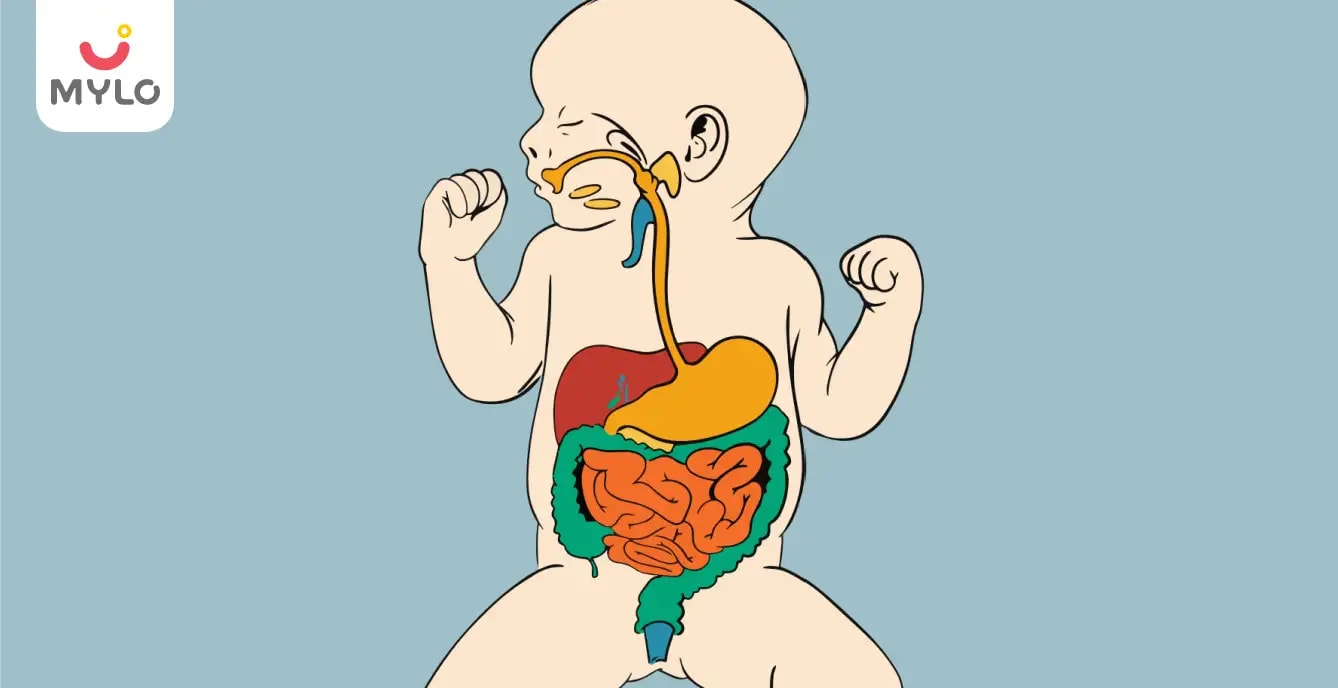
Intestines are a part of the digestive system. Everyone has two intestines, small and large. They help in digesting food and liquid and converting it into waste. That waste is released through the anus.
Who might suffer from necrotizing enterocolitis?
NEC primarily affects newborns and premature babies. The condition can likely affect any child born before the 37th week of pregnancy. Also, babies fed through stomach tubes are prone to be affected by NEC.
Is necrotizing enterocolitis common?
NEC in newborns is not common. However, premature babies and babies who weigh less than a kg are at a higher risk of getting NEC.
Types of necrotizing enterocolitis
NEC is classified based on what causes it and when the symptoms start.
-
Classic
This is the most common NEC type, affecting babies born before 28 weeks of pregnancy. It usually affects babies after 3 to 6 weeks of birth. The classic NEC type usually shows no symptoms and occurs suddenly.
-
Transfusion-associated
Babies who get blood transfusions are at risk of transfusion-associated NEC. Infants will likely develop this type of condition within three days of receiving a blood transfusion.
-
Atypical
Infants may develop this rare type of NEC before the first feeding or in the first week after birth.
-
Term infant
This type of necrotizing enterocolitis is usually congenital in full-term babies. The possible causes are poor oxygen supply, congenital heart condition, or gastroschisis.
Symptoms of necrotizing enterocolitis
It is not known what causes NEC. However, premature infants have weak immune systems. If the immune system cannot fight off infections, babies could get NEC. The symptoms of NEC depend on the type and cause of the infection. Some babies show symptoms in a few days, but for some, it occurs suddenly without any symptoms.
Some babies may show these signs of NEC:
-
Swelling and pain in the abdomen
-
Unusual blood pressure, heart rate, and body temperature
-
Diarrhoea and bloody stool
-
Green or yellow vomit
-
Lethargy
-
Loss of appetite and no weight gain
Causes of necrotizing enterocolitis
There isn't adequate research to know the exact cause of necrotizing enterocolitis. But a weaker immune system in infants is the most common cause. Premature babies have weaker digestive and immune systems. Therefore they can not fight infections. In such cases, oxygen-carrying blood cannot reach the intestines, leading to damaged tissues. This damage further causes necrotizing enterocolitis.
How is necrotizing enterocolitis diagnosed?
Necrotizing enterocolitis is diagnosed through various tests.
-
Blood test: To check bacterial infection
-
Faecal test: To check blood in stool that is not visible with the naked eye
-
X-rays: To check signs of NEC, like air bubbles around the intestine.
Complications of necrotizing enterocolitis
Babies suffering from NEC can develop other complications.
-
Abdominal Infection
Due to the thin tissue lining, the chances of damage to the intestinal wall are high. It can lead to bacterial infection in the abdomen.
-
Intestinal Stricture
This condition occurs a few months after the recovery from NEC. It is rare when a stricture narrows the intestine, restricting food passing. In severe cases, babies might need surgery to enlarge the intestine.
-
Short Bowel Syndrome
In some cases, NEC can damage or destroy the small intestine in babies, causing them to develop short bowel syndrome. Babies with this condition might struggle to absorb food and nutrients. In such cases, babies need tube feeding. Some may require long-term care to get the proper nutrition.
-
Delay in Development and Growth
Infants undergoing surgery may experience long-term complications such as poor neurodevelopment and slow or no growth. These infants need regular follow-ups.
Treatment for necrotizing enterocolitis
The first important step in treating necrotizing enterocolitis is to let the intestines rest and heal. For that, babies need to stop tube and oral feedings, and as a substitute, doctors give them IV fluids. Additionally, doctors might recommend other treatments.
-
Nasogastric tube: A tube inserted through the nose or mouth goes into the stomach and sucks out the gas and fluids.
-
Antibiotics: These help in fighting bacterial infection.
In severe cases, doctors may recommend surgery to repair a hole in the intestine or to recover the damaged tissues.
Preventions for necrotizing enterocolitis
Necrotizing enterocolitis can be prevented during pregnancy in cases where the mother is at risk for preterm birth. Corticosteroid injections help boost the overall health of the foetus, reducing the chances of lung and intestinal complications. Also, feeding breast milk to infants lowers the chances of NEC.
 Yes
Yes
 No
No
Your parenting partner
in your pocket.
supportive community.

Your parenting partner
in your pocket.
supportive community.


Article Posted Under
Helpful Tools & Calculators

.webp&w=32&q=75)














A Postgraduate in English Literature and a professional diploma holder in Interior Design and Display, Sanju started her career as English TGT. Always interested in writing, shetook to freelance writing to pursue her passion side by side. As a content specialist, She is actively producing and providing content in every possible niche.
Related Articles

Questions about this article
- Asked when 33 weeks pregnant
Influenza and boostrix injection kisiko laga hai kya 8 month pregnancy me and q lagta hai ye plz reply me
- Asked when 7 weeks pregnant
Hai.... My last period was in feb 24. I tested in 40 th day morning 3:30 .. That is faint line .. I conculed mylo thz app also.... And I asked tha dr wait for 3 to 5 days ... Im also waiting ... Then I test today 4:15 test is sooooo faint ... And I feel in ma body no pregnancy symptoms. What can I do .
- 26 weeks pregnant
Baby kicks KB Marta hai Plz tell mi
- trying to conceive
PCOD kya hota hai
- Asked when trying to conceive
How to detect pcos
Related Topics
.webp&w=32&q=75)
Recently Published Articles
Your body needs extra nutrition this trimester - these can help.
Sudden Infant Death Syndrome (SIDS): Meaning, Causes & Prevention

How to Check Pregnancy at Home with Salt?

How to Raise a Happy Child?

Onion During Pregnancy: Whether It Is Safe to Use and Its Benefits?

Are Whitening Creams Really Effective on Your Face?
Medical Disclaimer
This content is for informational purposes only and should not replace professional medical advice. Consult with a physician or other health care professional if you have any concerns or questions about your health. If you rely on the information provided here, you do so solely at your own risk.


AWARDS AND RECOGNITION

Mylo wins Forbes D2C Disruptor award

Mylo wins The Economic Times Promising Brands 2022
AS SEEN IN












- Mylo Care: Effective and science-backed personal care and wellness solutions for a joyful you.
- Mylo Baby: Science-backed, gentle and effective personal care & hygiene range for your little one.
- Mylo Community: Trusted and empathetic community of 10mn+ parents and experts.


Product Categories
Baby Carrier | Baby Soap | Baby Wipes | Stretch Marks Cream | Baby Cream | Baby Shampoo | Baby Massage Oil | Baby Hair Oil | Stretch Marks Oil | Baby Body Wash | Baby Powder | Baby Lotion | Diaper Rash Cream | Newborn Diapers | Teether | Baby Kajal | Baby Diapers Pants | Cloth Diapers | Laundry Detergent | Lactation Granules |