


Orders

Profile

Malabsorption Syndrome: Types, Causes, Symptoms, & Treatment
 7 min
7 minThe human body needs nutrients to facilitate repair, growth and perform different life processes. Herein, the small intestine plays an integral role in absorbing nutrients. However, sometimes the body cannot absorb certain macro and micronutrients, leading to malabsorption. Several causes can lead to the condition, including damage to the small intestine lining and more.
This article elaborates on the malabsorption syndrome definition, its causes, symptoms and treatment.
What is malabsorption?
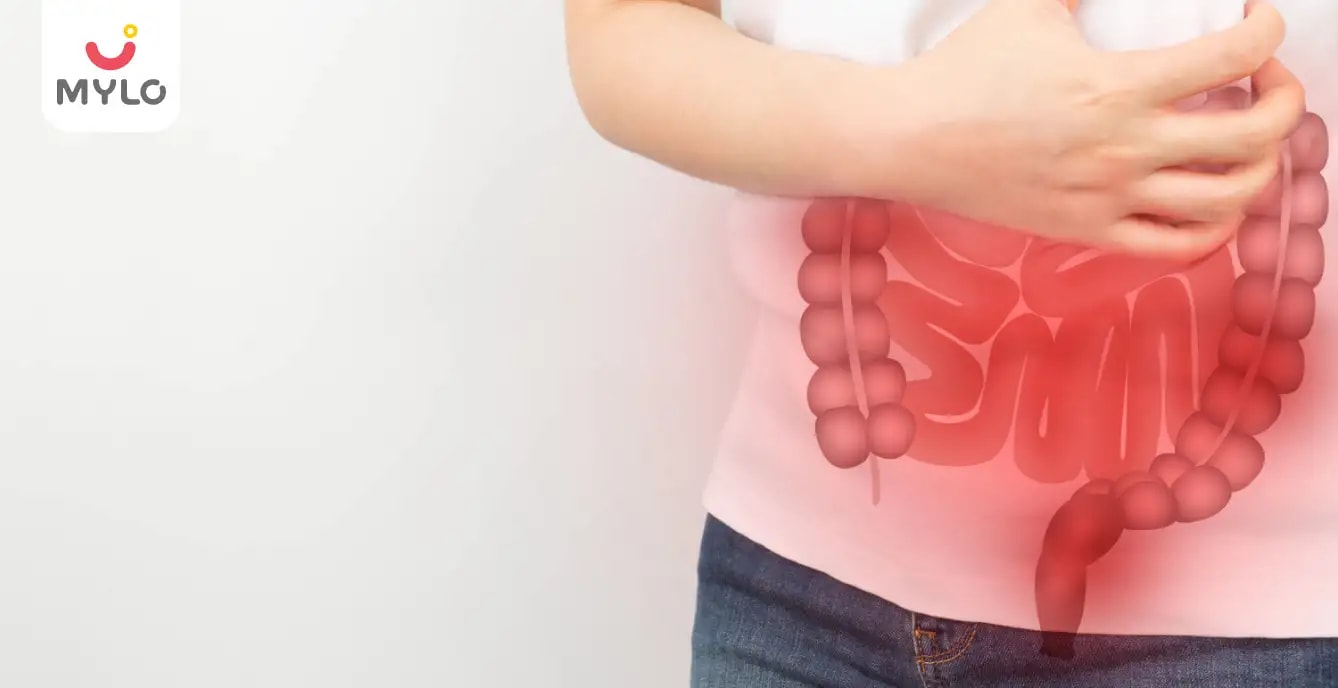
Malabsorption is caused due to the body's inability to absorb nutrients from food in the small intestine or colon. Instead, the unabsorbed nutrients get eliminated in faeces. They may have a variety of causes ranging from enzyme deficiencies, damage of the lining in the small intestine, a side-effect of medications, cystic fibrosis, etc.
What happens if you suffer from malabsorption?
Malabsorption affects the body's ability to absorb all or specific nutrients thrown out in stools. Individuals with malabsorption syndrome often experience side effects like diarrhoea or gastrointestinal distress, leading to fast moving out of food through the bowels and obstructing the absorption of nutrients.
Over time, the patient may show malabsorption symptoms of nutrient deficiency, including macronutrients (protein, fats, carbohydrates) and micronutrients (vitamins and minerals). Lack of these nutrients may affect eyes, skin, bones and hair in addition to conditions like muscle atrophy and reduced immunity.
Types of malabsorption disorders
The form of malabsorption depends mainly on the nutrients the body cannot absorb. These include:
1. General malabsorption:
Gastrointestinal diseases like inflammatory bowel disease and celiac disease are common malabsorption syndrome causes.
2. Fat malabsorption
occurs when the small intestine cannot absorb fats and pass them to the colon, causing Steatorrhea (fatty stools). It also causes fat-soluble vitamins like A, E, D, and K malabsorption.
3. Carbohydrate malabsorption:
Occurs in people sensitive to sugars causing gas pain and abdominal bloating. Herein, the carbohydrates are not fully absorbed in the small intestine and cause bacteria fermentation in the colon that breaks down into short-chain fatty acids and gasses.
4. Protein malabsorption:
Occurs in people with gluten or milk protein intolerance
5. Bile acid malabsorption:
Results due to lack of bile from diseases of bile ducts, liver or gall bladder, often causing chronic diarrhoea.
Symptoms of malabsorption syndrome
It is important to note that the symptoms of malabsorption may differ according to the nutrients, such as proteins, vitamins, sugars and fats that are not absorbed. These include:
- Hair loss
- Dry hair
- Fluid retention leading to oedema
- Anaemia
- Low blood pressure
- Malnutrition
- Bone pain, tingling or numbness in hands and feet
- Weight loss
- Muscle wasting
- Steatorrhea or fatty stools
- Nausea and vomiting
- Pain and distension in the stomach
- Bloating and gas
- Diarrhoea
- A weight that is below children of similar age
- Amenorrhea
- Delay in development.
- Apathy or irritability
Causes of malabsorption syndrome
The most common malabsorption causes include:
- Cystic fibrosis, a genetic disorder affecting the pancreas leading to digestive issues and absorption of nutrients
- Celiac disease, an autoimmune issue impacting the small intestine
- Crohn's disease and ulcerative colitis, an inflammatory bowel issue damaging to the small intestine
- Overgrowth of bacteria in the small intestine and Giardiasis damaging the small intestine
- Medications: intake of proton pump inhibitors and antibiotics
- Removal of a part of the small intestine
- Overproduction of acid in the stomach, such as Zollinger-Ellison syndrome
- Chemotherapy and radiation therapy
- Over usage of alcohol
- Inability to break digestive enzymes due to conditions like pancreatic insufficiency, bile duct blockages, gallbladder or liver diseases
- Lymphatic disorders causing blocking of vessels, such as lymphoma and lymphangiectasia
- Lactose intolerance
Risks of malabsorption syndrome
Malabsorption syndrome occurs due to the body's inability to absorb nutrients from food. The risk factors include:
- Malnutrition
- Inability to gain weight
- Diarrhoea
- Anaemia
- Frequent infections
- Damage to nerves
- Osteoporosis
It may also increase the risk of developing specific mineral and vitamin deficiencies like vitamin B12, vitamin D and iron. In severe cases, it leads to organ damage and can threaten life.
How can one determine whether they have malabsorption?
The healthcare provider may evaluate malabsorption syndrome by examining a few symptoms, diagnosing the process, and asking questions about health history. They will check for symptoms like chronic diarrhoea, anaemia, muscle wastage, fatty stools, and malnutrition.
Based on the symptoms of malabsorption, the medical professional will suggest appropriate tests to confirm the condition.
Which tests are performed to diagnose malabsorption?
There are several invasive and non-invasive tests performed to diagnose malabsorption syndrome, which include:
- Stool tests to check for undigested vitamins, fats, or other substances
- Blood tests to check for anaemia, low levels of proteins, and high levels of certain fats
- Imaging tests like X-ray, CT scan, endoscopic ultrasound, or video capsule endoscopy to check for blockages or abnormalities in the intestinal tract
- Intestinal biopsy to check damage to villi in the small intestine by taking a small tissue sample
- Sweat test to check for cystic fibrosis
- Faecal elastase test to check exocrine pancreatic function
- The lactose tolerance test checks the level of lactose intolerance
- Gastric emptying test to check if food is moving properly through the small intestine and stomach
- Breath tests hydrogen breath test to detect intolerance to specific carbohydrates
Treatment for malabsorption syndrome
Malabsorption treatment will depend on the underlying reason. Common treatments include:
The doctor may suggest medicines like loperamide to manage symptoms like stomach pain and diarrhoea
- Change in diet including increased intake of certain nutrients like B12, vitamin D, and iron in addition to lactose-free food
- Enzyme replacement therapy
- Supplements for vitamins and minerals
- Pancreatic enzyme replacement therapy
- Removal of abnormal growth and blockages through surgery
Can malabsorption go away?
Malabsorption is a chronic condition that may not go away entirely. However, it can be controlled by proper malabsorption treatments to reduce symptoms. If the underlying reason for the condition is parasite infection or celiac disease, it can be resolved. However, in the case of conditions like cystic fibrosis or genetic disorders, they cannot be cured.
FAQs
1. What is the main cause of malabsorption?
Malabsorption may be temporarily caused due to stomach flu. Other causes of malabsorption syndrome include damage of the lining in the small intestine, pancreas, liver or gallbladder diseases, lymphatic diseases, or intolerance to certain foods.
2. What does the poop look like with malabsorption?
Malabsorption stool appears bulky, greasy, and loose, accompanied by a foul smell.
3. Which symptom is the classic symptom of malabsorption?
Chronic diarrhoea is a classic symptom of malabsorption followed by Steatorrhea.
4. What happens if malabsorption goes untreated?
If left untreated, the patient may show signs of undernutrition, including reduced immunity and muscle wasting.
 Yes
Yes
 No
No
Your parenting partner
in your pocket.
supportive community.

Your parenting partner
in your pocket.
supportive community.


Article Posted Under
Helpful Tools & Calculators

.webp&w=32&q=75)














Ishmeet is an experienced content writer with a demonstrated history of working in the internet industry. She is skilled in Editing, Public Speaking, Blogging, Creative Writing, and Social Media.
Related Articles
The Floor Toddlers Live on and Why Keeping It Clean and Safe Matters
5· 4 min
4 min Home Hygiene and the Importance of Clean Floors During Pregnancy
6·4 min Are Lactation Supplements Safe and How to Choose the Right One?
7 min How Should You Take lactomama Lactation Granules And What is The Best Time of Day to Take Them for Better Results?
7 min
Questions about this article
- Asked when 38 weeks pregnant
Hello frnds..still no pain...doctor said head fix nhi hua hai..bt vagina me pain hai aur back pain bhi... anyone having same issues??
- Asked when 23 weeks pregnant
Kon kon c chije aisi hai jo pregnancy mei gas acidity jalan karti hain... Koi btayega plz bcz mujhe aksar khane ke baad hi samagh aata hai ki is chij se gas acidity jalan ho gyi hai. Please share your knowledge
- 14 weeks pregnant
I am 13 week pregnancy. Anyone having Storione-xt tablet. It better to have morning or night ???
- Asked when 10 weeks pregnant
Hlo to be moms....i hv a query...in my 9.5 wk i feel body joint pain like in ankle, knee, wrist, shoulder, toes....pain intensity is high...i cnt sleep....what should i do pls help....cn i cosult my doc.
- Asked when 33 weeks pregnant
Influenza and boostrix injection kisiko laga hai kya 8 month pregnancy me and q lagta hai ye plz reply me
Related Topics
.webp&w=32&q=75)
Recently Published Articles
Your body needs extra nutrition this trimester - these can help.

Is Ghee Good During Pregnancy?

5 finance management tips for new parents
The Ultimate Guide to the Best Romantic Web Series on OTT for Couples

10 Amazing Home Remedies for Cough and Cold in Toddlers
Dark & Suspenseful OTT Shows You Can’t Stop Watching: The 2026 Binge List
Medical Disclaimer
This content is for informational purposes only and should not replace professional medical advice. Consult with a physician or other health care professional if you have any concerns or questions about your health. If you rely on the information provided here, you do so solely at your own risk.


AWARDS AND RECOGNITION

Mylo wins Forbes D2C Disruptor award

Mylo wins The Economic Times Promising Brands 2022
AS SEEN IN












- Mylo Care: Effective and science-backed personal care and wellness solutions for a joyful you.
- Mylo Baby: Science-backed, gentle and effective personal care & hygiene range for your little one.
- Mylo Community: Trusted and empathetic community of 10mn+ parents and experts.


Product Categories
Baby Carrier | Baby Soap | Baby Wipes | Stretch Marks Cream | Baby Cream | Baby Shampoo | Baby Massage Oil | Baby Hair Oil | Stretch Marks Oil | Baby Body Wash | Baby Powder | Baby Lotion | Diaper Rash Cream | Newborn Diapers | Teether | Baby Kajal | Baby Diapers Pants | Cloth Diapers | Laundry Detergent | Lactation Granules |