


Orders
.png&w=48&q=75 "login")
Profile


Wallet

Understanding the Reasons & Solutions for a Baby Not Eating Food


BSC, MSC (Home Science, Food & Nutrition) · 5 years experience
 480 Likes|
 8 min
8 minAI-Generated Summary
Quick overview in 30 seconds.webp&w=32&q=75)
Summary
- Loss of appetite in babies happens when they refuse food or show disinterest, which can be temporary but needs attention if weight loss occurs.
- Common reasons for a baby not eating include teething, illness, changes in routine, food allergies, emotional stress, medications, or developmental growth phases.
- Health risks include malnutrition, dehydration, delayed development, weak immunity, and behavioral issues like irritability, tantrums, and difficulty sleeping.
- Looking for nutritious foods to boost your baby's appetite? Explore our MamaGro™ Protein Diskettes - High Protein & No Added Sugar - 250gm (50 Diskettes).

 4.6
4.6 4.6
4.6 4.8
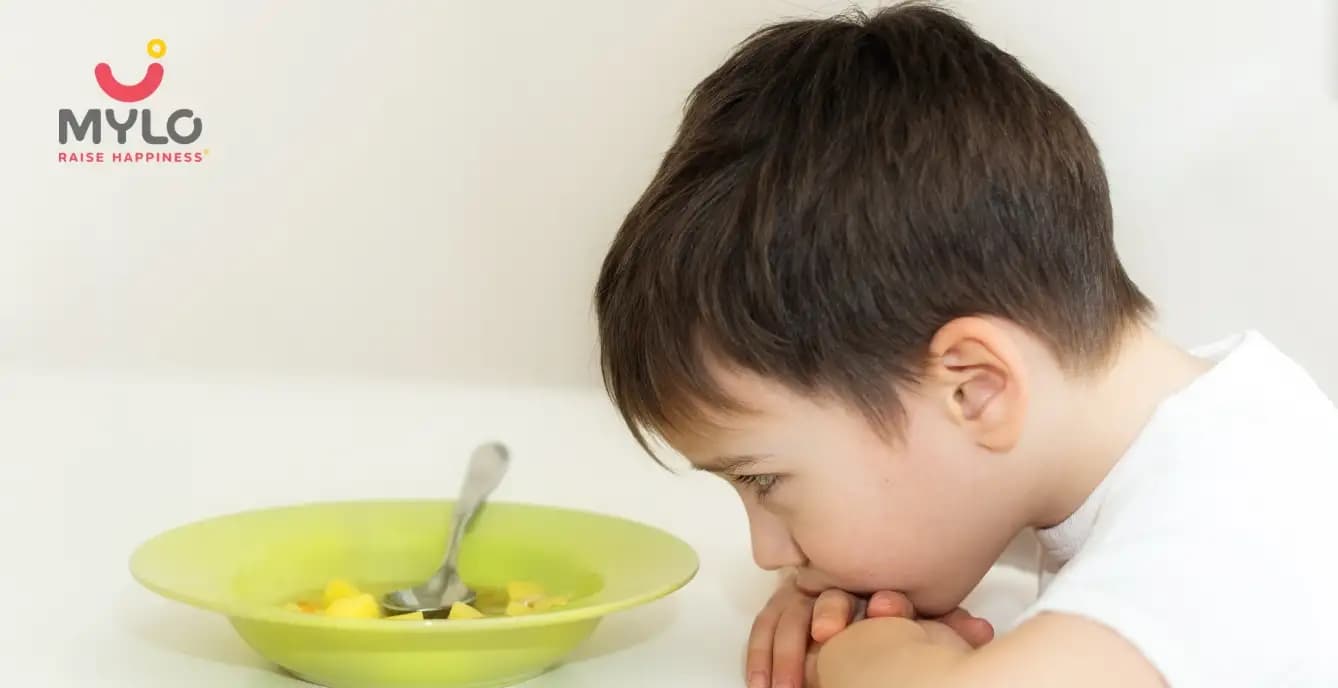
4.8As a parent, one of the most worrying things is when your baby starts refusing food. While it's common for babies and children to have occasional picky eating habits, there could be other underlying reasons why a child may not be eating. There can be multiple reasons behind a baby not eating food and it's important to understand these reasons in order to find a solution.
In this article, we will delve into the reasons behind a baby refusing to eat, signs to look out for, causes, health risks, and how to increase baby appetite.
What is Loss of Appetite in Babies?
Loss of appetite in babies is when a baby refuses to eat or shows a lack of interest in food. This can be a temporary phase or a long-term issue. It's important to note that babies have small stomachs and their appetite can vary from day to day. However, if your child refuses to eat anything or is losing weight, it's important to seek medical advice.
What are the Signs of Baby Loss of Appetite?
Here are some signs to look out for that may signal a loss of appetite in your baby:
-
Refusing to open their mouth when presented with food
-
Spitting out food
-
Throwing food or utensils
-
Crying or fussing during feeding times
-
Taking only a few bites before refusing to eat more
-
Consistently refusing to eat certain foods or food groups
-
Losing weight or not gaining weight as expected
If you notice any of these signs, it's important to take action to help your baby regain their appetite.
You may also like: How to Gradually Incorporate New Food Items into Your Baby’s Diet?
What Could Be the Reasons for a Baby Not Eating Food?
Now, let us understand the possible reasons for a baby refusing to eat:
1. Illness or teething
Babies may lose their appetite due to illness, such as infections or a sore throat. Sore throat can make swallowing difficult and result in decreased appetite. Similarly, infections such as flu and ear infections can cause pain and make it difficult for babies to eat. Teething can also cause discomfort and pain, leading to a loss of appetite.
2. Changes in routine or environment
Any significant changes in a baby's routine or environment, such as starting daycare or traveling, can affect their appetite. Babies may feel unsettled and less inclined to eat during such transitions.
3. Overfeeding or underfeeding
Overfeeding can lead to a baby feeling full and not hungry, while underfeeding can result in a lack of energy and decreased appetite.
4. Food allergies or intolerances
Babies with food allergies or intolerances may experience digestive issues or discomfort after consuming certain foods. This can lead to a loss of appetite.
5. Emotional stress or anxiety
Babies can pick up on their parents' stress or anxiety, which may affect their appetite. Emotional stress or changes in the family dynamic can also impact a baby's eating habits.
6. Medications
Certain medications can have side effects that affect a baby's appetite. It is important to consult with a doctor about any potential effects of medications on a baby's appetite.
7. Developmental changes
Babies go through various developmental stages, and these changes can affect their appetite. For example, during growth spurts, babies may experience fluctuations in their appetite as their nutritional needs increase. Similarly, babies' growth slows down after the first six months, so their calorie intake decreases accordingly.
Understanding the cause of your baby's loss of appetite can help you find a solution.
You may also like: Baby Not Drinking Milk: Understanding Possible Reasons and Tips to Encourage
What Can Be the Health Risks of a Baby Refusing to Eat?
If your child refuses to eat anything, it may raise the following health concerns for them:
1. Malnutrition
Malnutrition is a significant health risk for babies who refuse to eat. Malnutrition can result from inadequate protein or energy intake. Malnourishment can cause unintentional weight loss, reduced appetite, and slow growth in children. If left untreated, malnutrition can lead to severe illness and even death.
2. Dehydration
Dehydration is another risk associated with not eating food. When a baby doesn't eat enough, they may not be getting enough fluids, which can cause dehydration. Dehydration can cause fatigue, irritability, and in severe cases, seizures and shock.
3. Delayed development
When a baby doesn't get the nutrients they need, their growth and development may be affected. Slow growth, changes in behavior, and low energy levels are common symptoms in underdeveloped children.
4. Weak immune system
Babies who don't eat enough may not have the nutrients they need to maintain a healthy immune system. This can lead to frequent illnesses and infections.
5. Behavioral issues
Hunger can cause irritability and fussiness in babies, which can lead to behavioral issues like tantrums and difficulty sleeping.
Malnutrition and dehydration are the most serious health risks associated with a baby's loss of appetite. It's important to seek medical advice if you have concerns about your baby's health.
You may also like: Top 10 Tips to Manage a Fussy Eater Toddler
How to Increase Appetite in Kids?
Having understood the causes and health risks of baby loss of appetite, let us now understand how to increase baby appetite:
1. Stick to a routine
Establish regular meal and snack times to create a structured eating schedule.
2. Offer a variety of foods
Introduce a wide range of nutritious foods to encourage interest and prevent boredom.
3. Make mealtimes enjoyable
Create a pleasant and relaxed environment during meals by engaging in positive interactions and conversation.
4. Avoid distractions during feeding times
Try not to have anything around your baby that may distract them from the food on their plate. For example, you can probably tell your child some interesting stories while you feed them.
5. Be patient and persistent
Encourage the baby to try different foods, even if they initially reject them. It may take several attempts before they develop a liking for certain flavors or textures.
6. Offer small meals and snacks throughout the day
Instead of overwhelming the baby with large portions, provide frequent small meals and snacks to stimulate their appetite.
7. Make food visually appealing
Avoid a boring menu and introduce something more attractive and exciting. Try to offer your baby foods in different colours and shapes to appeal to their senses.
8. Offer fluids in between meals
Ensure that the baby stays hydrated by offering fluids like water or breast milk/formula in between meals.
9. Increase zinc intake
Make sure that you increase the zinc portion in your child's meal. Lack of zinc in your baby's body affects the appetite.
10. Add digestive ingredients
There are certain ingredients that, when mixed into your baby's food, will improve digestion. Ajwain, Hing, ginger and cinnamon are great ways of enhancing your baby's appetite.
11. Avoid force-feeding
One of the most important rules is - never to force-feed your baby. Forcing your baby to eat food may put them off food even more. Let your baby decide when he/she is full.
12. Use positive reinforcement
Praise and reward the baby for eating well or trying new foods, which can reinforce positive eating behaviors.
13. Seek medical advice if necessary
If despite constant efforts to increase your baby’s appetite, you don’t see any positive results, it may be best to consult a pediatrician who can help diagnose the reason and recommend an effective solution.
It's important to remember that each baby is unique and what works for one may not work for another. Finding the best approach to increase your baby's appetite may take time and patience.
The Bottomline
Loss of appetite in babies can be a worrying experience for parents. However, with patience and persistence, it's possible to help your baby regain their appetite. Understanding the reasons for a baby not eating food, signs to look out for, and ways to increase your baby's appetite can help you find a solution. If you have concerns about your baby's health, seek medical advice.
References
1. Lifschitz CH. (2001). Feeding Problems in Infants and Children. Curr Treat Options Gastroenterol.
2. Yang HR. (2017). How to approach feeding difficulties in young children. Korean J Pediatr.
Trusted by Mamas Nurturing Picky Little Eaters
Wholesome, tasty nutrition options that gently support your little one's appetite and growing nutritional needs every day.
MamaGro™ Protein Diskettes - 250gm - Vanilla
Supports Healthy Placenta | Supports Fetal Development


Airprime Premium Diaper Pants S (5–9 kg, 26 Count) + 100% Plant-Based Baby Wipes (Pack of 2)
Rash-free | Paediatrician Tested | Dermatologically Tested | Breathable | Expert Approved | No Harsh Bleaching Chemicals | Super-Saver Combo

Anti Colic Slow (S) Flow Grooved Baby Nipple - Pack of 2
BPA Free | Breast-Like Nipple | Food Grade Material | Wide Base for Better Latch | Can be Sterilized | Microwave Safe | Fits Most Standard Bottles



Article Posted Under
Related Articles
Top 10 Tips to Manage a Fussy Eater Toddler
 146·4 min
 How To Prepare Food For Your Infant/Toddler Safely? Here Are Some Tips That You Must Not Forget While Preparing Food
 606·10 min
 What is An Ideal Baby's Food Chart?
 43·5 min
 How to Gradually Incorporate New Food Items into Your Baby’s Diet?
 198·7 min
Related Topics
.webp&w=32&q=75)
Medical Disclaimer
This content is for informational purposes only and should not replace professional medical advice. Consult with a physician or other health care professional if you have any concerns or questions about your health. If you rely on the information provided here, you do so solely at your own risk.


AWARDS AND RECOGNITION

Mylo wins Forbes D2C Disruptor award

Mylo wins The Economic Times Promising Brands 2022
AS SEEN IN













- Mylo Care: Effective and science-backed personal care and wellness solutions for a joyful you.
- Mylo Baby: Science-backed, gentle and effective personal care & hygiene range for your little one.
- Mylo Community: Trusted and empathetic community of 10mn+ parents and experts.


Product Categories
Baby Carrier | Baby Soap | Baby Wipes | Stretch Marks Cream | Baby Cream | Baby Shampoo | Baby Massage Oil | Baby Hair Oil | Stretch Marks Oil | Baby Body Wash | Baby Powder | Baby Lotion | Diaper Rash Cream | Newborn Diapers | Teether | Baby Kajal | Baby Diapers Pants | Cloth Diapers | Laundry Detergent | Lactation Granules |