


Orders

Profile

Laparoscopy In Gynecology
 2 Likes|
 5 min
5 minWhat is Gynecological Laparoscopy?
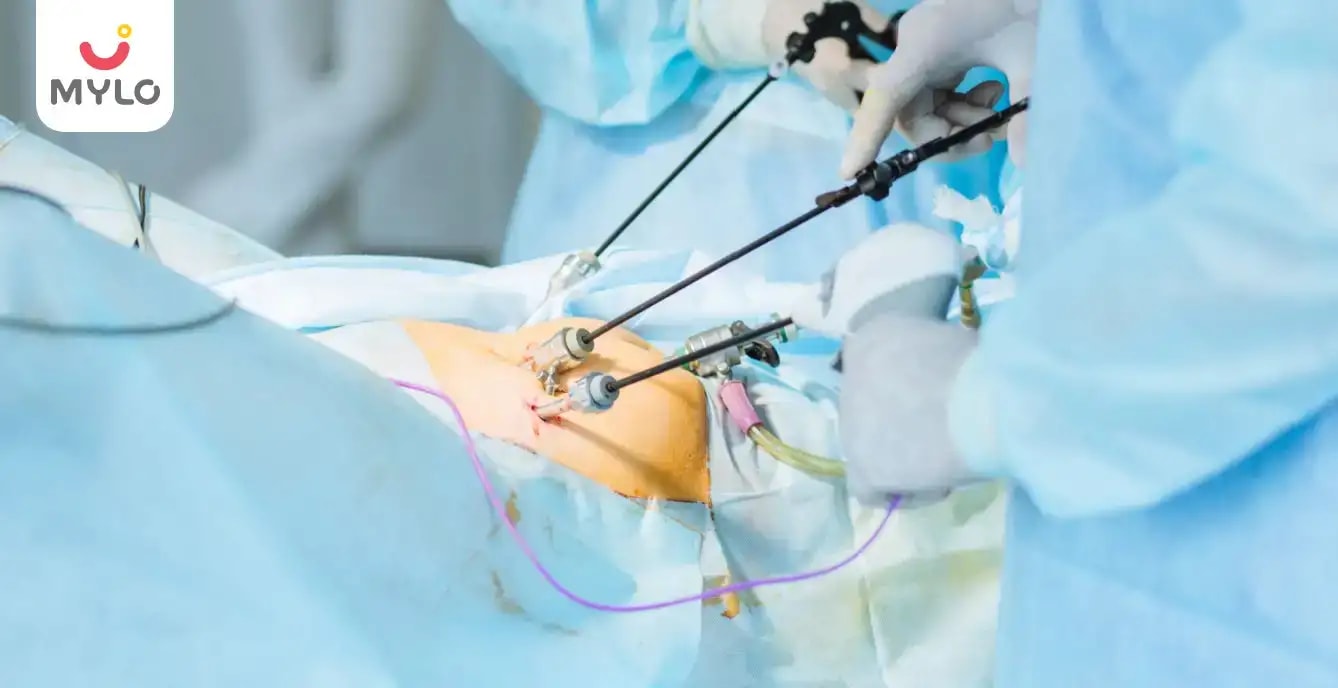
Gynecological Laparoscopy is a medical procedure in which a laparoscope (a thin tube with a camera) is used to examine the pelvic area. This allows the doctor to check for abnormalities or growths in the area. It is also used to assist doctors in performing major surgeries such as ovarian cyst removal, uterus removal by laparoscopy (hysterectomy), or ectopic pregnancy. Gynecological laparoscopy is also a safer alternative to open surgery.
Why is it done?
Laparoscopy in Gynecology is used to diagnose the following medical conditions.
-
Endometriosis
-
Ovarian tumors or cysts
-
Fibroids
-
Pelvic scar tissue
-
Pelvic inflammatory disease
-
Pelvic pus
-
Ectopic pregnancy
-
Ovarian cancer
-
Pelvic prolapse
Gynecological laparoscopy is used to treat the following conditions.
-
Ovary removal (oophorectomy)
-
Laparoscopic surgery for uterus removal (hysterectomy)
-
Removal of fibroids
-
Tubal ligation (Block the fallopian tubes to prevent pregnancy)
-
Remove an ectopic pregnancy
-
Incontinence (lack of control over urination)
-
Prolapsed uterus
Preparing for the procedure
The laparoscopic Gynecologist will recommend a battery of imaging tests to diagnose the condition. The individual must also discuss their medical history and tell the doctor about their medications. The doctor may ask the individual to stop taking those medications a few days before the procedure. The Gynecological laparoscopy takes 30 to 60 minutes to diagnose a medical condition. It may take longer when treating certain medical conditions.
1. During the procedure
The doctor administers general anesthesia to ensure the individual does not feel any pain during the procedure. A small needle with carbon dioxide gas is inserted into the abdomen. This protects the organs from injury during the process.
A small incision is made on the navel, and the laparoscope is inserted. Clear images are projected on the screen. This allows the doctor to check for abnormalities and diagnose the condition. In the case of laparoscopy of the uterus, several cuts are made, and other instruments are inserted through these cuts. The surgeon performs the procedure under the guidance of the laparoscope.
Once the procedure is completed, all the instruments are removed. The incisions are cleaned, stitched, and bandaged properly. The individual is moved to a recovery room to allow the effects of the anesthesia to wear off.
2. After the procedure
The nurses will monitor the vital signs and wait for the anesthesia to wear off. Depending on the type of procedure, the patient can go home on the same day or after a few days. It is usual for the navel to feel sore and develop bruises. The laparoscopic Gynecologist will give proper instructions before the patient is sent home. Along with instructions, the doctor will also prescribe pain medications and antibiotics to reduce the risk of infection. An individual may get back to their daily activities in a few weeks or a month.
What happens when the uterus is removed?
Uterus laparoscopic surgery is a medical procedure where a laparoscope is used to assist in the removal of the uterus. The Gynecologist of laparoscopy completes the rest of the surgery and removes the uterus via the vagina.
Benefits of uterus laparoscopy
These are the following benefits of getting a laparoscopic uterus removal in comparison to open surgery.
-
Less pain
-
Minimal blood loss
-
Shorter stay in the hospital
-
Faster recovery
-
Reduced risk of infection
Is Laparoscopic surgery safe?
Laparoscopic surgery in the uterus or for any other medical condition is considered a safer and more effective alternative compared to open surgery. Consult a Gynecologist of laparoscopy to understand the risk and benefits of this procedure before moving forward.
Risks/ Complications
The following factors may increase one's risk of complications after Gynecological laparoscopy.
-
Obesity
-
Chronic bowel disease
-
Pelvic infection
-
Severe endometriosis
-
Heart surgery
-
Abdominal surgery
-
Lung condition
-
Heart condition
-
Underweight
-
Old age
An individual may face the following complications after Gynecological laparoscopy.
-
Allergic reaction
-
Nerve damage
-
Blood clot
-
Trouble urinating
-
Damage to the uterus or nearby pelvic structures
-
Bleeding
-
Pain
-
Bruises
-
Nausea
-
Soreness
-
Fatigue
-
Shoulder pain
-
Hernia
-
Infection
When to see the doctor?
An individual must visit the doctor if they experience the following symptoms for a prolonged period after the uterus laparoscopic surgery.
-
High fever
-
Bleeding
-
Infection at the surgery site
-
Severe abdominal pain
-
Vomiting and nausea
-
Redness
-
Swelling
-
Trouble breathing
-
Heavy menstrual flow
Conclusion
Gynecological laparoscopy is a medical procedure used to diagnose and treat several medical ailments. It is a safer and more effective alternative to open surgery. Individuals with cysts, fibroids or reproductive cancer are the ideal candidates for this procedure. Some individuals may experience complications like bleeding, infection, or hernia. Consult a doctor immediately if one experiences symptoms like high fever, severe abdominal pain and nausea.
You may like https://mylofamily.com/article/screening-test-for-women-183541.
References
Agarwal P, Bindal N, Yadav R. (2016). Risks and Benefits of Total Laparoscopic Hysterectomy and the Effect of Learning Curve on Them. NCBI
 Yes
Yes
 No
No
Your parenting partner
in your pocket.
supportive community.

Your parenting partner
in your pocket.
supportive community.


Article Posted Under
Helpful Tools & Calculators

.webp&w=32&q=75)














Dr. Madhavi Gupta is an accomplished Ayurvedic doctor specializing in Medical content writing with an experience of over 10 years.
Related Articles




Questions about this article
- Asked when 33 weeks pregnant
Influenza and boostrix injection kisiko laga hai kya 8 month pregnancy me and q lagta hai ye plz reply me
- Asked when 7 weeks pregnant
Hai.... My last period was in feb 24. I tested in 40 th day morning 3:30 .. That is faint line .. I conculed mylo thz app also.... And I asked tha dr wait for 3 to 5 days ... Im also waiting ... Then I test today 4:15 test is sooooo faint ... And I feel in ma body no pregnancy symptoms. What can I do .
- 26 weeks pregnant
Baby kicks KB Marta hai Plz tell mi
- trying to conceive
PCOD kya hota hai
- Asked when trying to conceive
How to detect pcos
Recently Published Articles
Your body needs extra nutrition this trimester - these can help.

Bitter Gourd During Pregnancy: Benefits and Precautions You Should Know
Activities of a four months old child

Diastasis Recti: Causes, Symptoms, Risks & Preventions

How to Burp a Baby: A Step-by-Step Guide for New Parents

What Are The Causes And Types of Postpartum Hemorrhage?
Medical Disclaimer
This content is for informational purposes only and should not replace professional medical advice. Consult with a physician or other health care professional if you have any concerns or questions about your health. If you rely on the information provided here, you do so solely at your own risk.


AWARDS AND RECOGNITION

Mylo wins Forbes D2C Disruptor award

Mylo wins The Economic Times Promising Brands 2022
AS SEEN IN












- Mylo Care: Effective and science-backed personal care and wellness solutions for a joyful you.
- Mylo Baby: Science-backed, gentle and effective personal care & hygiene range for your little one.
- Mylo Community: Trusted and empathetic community of 10mn+ parents and experts.


Product Categories
Baby Carrier | Baby Soap | Baby Wipes | Stretch Marks Cream | Baby Cream | Baby Shampoo | Baby Massage Oil | Baby Hair Oil | Stretch Marks Oil | Baby Body Wash | Baby Powder | Baby Lotion | Diaper Rash Cream | Newborn Diapers | Teether | Baby Kajal | Baby Diapers Pants | Cloth Diapers | Laundry Detergent | Lactation Granules |