


Orders

Profile

Intrauterine Growth Restriction (IUGR) in Pregnancy
 3 Likes|
 6 min
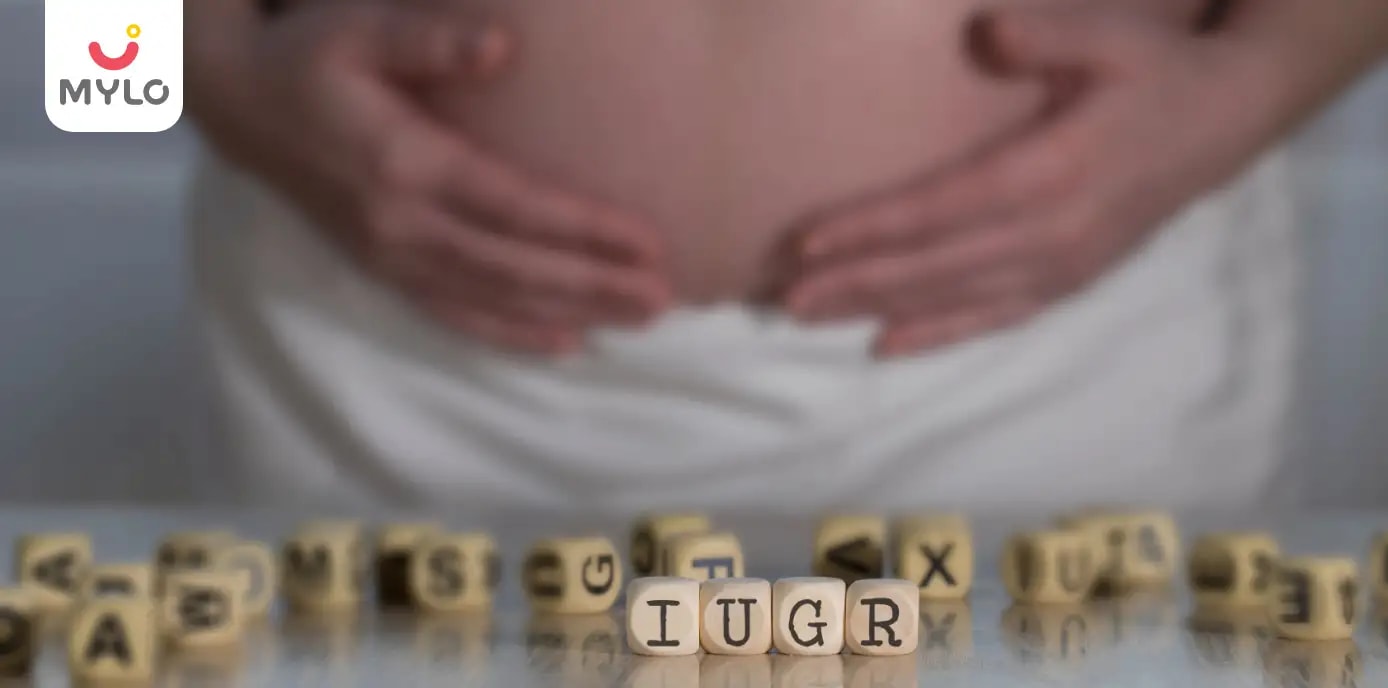
6 minIntrauterine growth restriction or IUGR in pregnancy refers to the underdevelopment or abnormal development of a fetus in the womb during pregnancy. Babies born with fetal growth restriction are called "small for gestational age". It can begin at any time during pregnancy and must be detected to prevent complications.
This article discusses the causes of IUGR In Pregnancy, its symptoms, diagnosis and treatment. Read till the end.
What is intrauterine growth restriction?
Intrauterine growth restriction (IUGR) is a condition caused due to restricted growth of the fetus in the womb. Herein, the fetal weight of the baby tends to be 10% of its gestational age. Furthermore, it affects the overall size of the fetus and the growth of its organs, cells and tissues. IUGR in pregnancy can occur at any point but is more common during the later phase of pregnancy.
IUGR is broadly divided into two types:
1. Asymmetrical IUGR
The baby's body is smaller than its expected size. This type of IUGR accounts for 80% of IUGR cases.
2. Symmetrical IUGR:
The overall body of the baby is small in size. This type of IUGR accounts for 30% of IUGR cases.
When is IUGR detected?
IUGR diagnosis is typically made during prenatal care, specifically through ultrasound. In addition, the doctor may perform different tests such as:
1. Uterine fundal height test:
It involves measuring the mother's belly from the top of the public bone to the uterus to check the baby's growth.
2. Prenatal ultrasound:
To measure the level of amniotic fluid and other placental issues.
3. Fetal monitoring:
To track the baby's heart rate and movements.
4. Amniocentesis:
To detect any underlying genetic causes and development of the baby's lungs.
The doctor may also screen the pregnant woman for any infections that can affect the baby.
How does intrauterine growth restriction affect pregnancy?
Intrauterine growth restriction or IUGR in pregnancy increases the risk of potential complications for the mother and the baby. These include:
1. Preterm birth:
It increases the risk of early labour and delivery, which may pose the threat of respiratory distress and developmental delays.
2. Low birth weight:
Babies born with IUGR have a low birth weight, making them more susceptible to infections.
3. Placental Abruption:
A condition that causes the placenta to separate from the uterus.
4. Placental insufficiency:
A condition that restricts the amount of oxygen and nutrients reaching the baby.
5. Maternal complications:
The mother is at an increased risk of developing pregnancy-related conditions like hypertension, preeclampsia or eclampsia.
6. Stillbirth:
In severe cases, IUGR can cause stillbirth.
Causes of intrauterine growth restriction
IUGR is often caused due to an insufficient supply of nourishment and nutrients to the placenta or umbilical cord. Intrauterine growth restriction can happen if the expecting mother:
- Has high blood pressure, diabetes, heart disease or thyroid
- Has Chromosomal disorders like Down syndrome
- Is carrying multiple fetuses or expecting twins or triplets
- Indulges in activities like smoking, alcohol consumption or drugs
- Is taking treatment using anti-seizure medications
- Has infections like cytomegalovirus (CMV), rubella, syphilis or toxoplasmosis
- Has nutritional deficiencies
- It is to be noted that Intrauterine Growth Restriction causes are not fully known and can be a multifactorial condition that affects the fetus's growth during different phases of gestational age.
You may like: Fetal Growth and Development During Pregnancy
Symptoms of intrauterine growth restriction
IUGR causes a restricted growth of the fetus that does not match the expected rate during pregnancy. It usually does not have any specific symptoms. The condition is generally identified during prenatal visits or through tests like ultrasound.
However, some of the common Intrauterine Growth Restriction symptoms a pregnant woman may experience include:
- Restricted movement of the baby
- Increase or decrease in the level of amniotic fluid around the baby
- Abnormal growth of fetus compared to the expected rate
- Preeclampsia
How is Intrauterine growth restriction (IUGR) Treated?
IUGR treatment depends primarily on the gestational age of the fetus along with the health of the mother and baby. Based on the situation, the doctor will closely monitor the condition through ultrasound, and prenatal visits and track the baby's growth.
Some treatments include:
1. Monitoring:
The doctor will closely monitor the fetus's growth through regular prenatal care, including non-stress tests and ultrasound.
2. Medications:
Doctors may prescribe some medications like a corticosteroid to improvise blood flow to the placenta and increase the nutrient supply to the fetus.
3. Bed rest:
Some mothers may be advised bed rest to minimize stress on the fetus
4. Early inducement of labour:
If the mother's condition is severe or the doctor. identifies abnormal growth of the fetus, early labour and delivery through c-section may be recommended.
5. Dietary changes:
The mother will be advised to make dietary changes and may prescribe supplements to ensure the fetus is growing normally.
Note: The doctor may suggest a cesarean section if the stress in a vaginal delivery is risky for the fetus.
What can I do if Baby has IUGR?
The baby's development and growth can be supported in several ways. These include:
- Following a prenatal care plan as recommended by the healthcare provider to monitor the mother's and baby's health
- Eating a well-balanced diet rich in protein and essential nutrients to support the baby's growth and development
- Ensuring sufficient sleep to reduce stress
- Avoiding consumption of drugs, tobacco or alcohol that is harmful to the fetus
- Preparing for an early delivery after discussing potential benefits and risks with the gynaecologist/ obstetrician
- Following proper medications as prescribed by the doctor
- Seeking emotional support from a professional counsellor, partner and family
What health conditions put me at a higher risk for fetal growth restriction?
Several health conditions put a pregnant woman at a higher risk of fetal growth restriction (FGR), also known as IUGR. These include:
- High blood pressure before or during the early stage of pregnancy
- Placental insufficiency
- Hypertension and increased protein in the urine
- Heart, kidney or thyroid diseases
- Autoimmune disorders like rheumatoid arthritis and lupus
- Maternal malnutrition, like anaemia
- Alcohol consumption and smoking during pregnancy
- Infections like rubella, cytomegalovirus and syphilis
- Multiple gestations
Consulting a gynaecologist is essential to prevent worsening of IUGR in pregnancy and getting timely treatment.
 Yes
Yes
 No
No
Your parenting partner
in your pocket.
supportive community.

Your parenting partner
in your pocket.
supportive community.


Article Posted Under
Helpful Tools & Calculators
.webp&w=32&q=75)














Ishmeet is an experienced content writer with a demonstrated history of working in the internet industry. She is skilled in Editing, Public Speaking, Blogging, Creative Writing, and Social Media.
Related Articles
The Floor Toddlers Live on and Why Keeping It Clean and Safe Matters
5·4 min Home Hygiene and the Importance of Clean Floors During Pregnancy
6·4 min Are Lactation Supplements Safe and How to Choose the Right One?
7 min How Should You Take lactomama Lactation Granules And What is The Best Time of Day to Take Them for Better Results?
7 min
Questions about this article
- Asked when 38 weeks pregnant
Hello frnds..still no pain...doctor said head fix nhi hua hai..bt vagina me pain hai aur back pain bhi... anyone having same issues??
- Asked when 23 weeks pregnant
Kon kon c chije aisi hai jo pregnancy mei gas acidity jalan karti hain... Koi btayega plz bcz mujhe aksar khane ke baad hi samagh aata hai ki is chij se gas acidity jalan ho gyi hai. Please share your knowledge
- 14 weeks pregnant
I am 13 week pregnancy. Anyone having Storione-xt tablet. It better to have morning or night ???
- Asked when 10 weeks pregnant
Hlo to be moms....i hv a query...in my 9.5 wk i feel body joint pain like in ankle, knee, wrist, shoulder, toes....pain intensity is high...i cnt sleep....what should i do pls help....cn i cosult my doc.
- Asked when 33 weeks pregnant
Influenza and boostrix injection kisiko laga hai kya 8 month pregnancy me and q lagta hai ye plz reply me
Related Topics
.webp&w=32&q=75)
Recently Published Articles
Your body needs extra nutrition this trimester - these can help.
30+ Maternity Photoshoot Props: Accessories for Maternity Photoshoot

5 Tips to Boost Your Chances of Having a Problem-Free Pregnancy & Have a Healthy Baby

The A-Z Guide on Purple Colour Fruits and Vegetables for Kids
How Much Protein Do Pregnant Women Actually Need? (Trimester-Wise Guide)

Top 5 Precautions You Should Take After Getting an IVF Treatment
Medical Disclaimer
This content is for informational purposes only and should not replace professional medical advice. Consult with a physician or other health care professional if you have any concerns or questions about your health. If you rely on the information provided here, you do so solely at your own risk.


AWARDS AND RECOGNITION

Mylo wins Forbes D2C Disruptor award

Mylo wins The Economic Times Promising Brands 2022
AS SEEN IN












- Mylo Care: Effective and science-backed personal care and wellness solutions for a joyful you.
- Mylo Baby: Science-backed, gentle and effective personal care & hygiene range for your little one.
- Mylo Community: Trusted and empathetic community of 10mn+ parents and experts.


Product Categories
Baby Carrier | Baby Soap | Baby Wipes | Stretch Marks Cream | Baby Cream | Baby Shampoo | Baby Massage Oil | Baby Hair Oil | Stretch Marks Oil | Baby Body Wash | Baby Powder | Baby Lotion | Diaper Rash Cream | Newborn Diapers | Teether | Baby Kajal | Baby Diapers Pants | Cloth Diapers | Laundry Detergent | Lactation Granules |