


Orders

Profile

Intracytoplasmic Sperm Injection (ICSI) How It Can Help Treat Male Infertility
 6 min
6 minIf you or your partner are facing fertility challenges due to issues with sperm quality or quantity, Intracytoplasmic Sperm Injection (ICSI) offers a powerful solution. In this article, we will delve into the fascinating world of ICSI, exploring how this advanced technique can help overcome male infertility and increase the chances of achieving a successful pregnancy including aspects like ICSI vs IVF.
Get ready to discover the incredible potential of ICSI in revolutionizing fertility treatments for couples seeking to fulfill their dreams of parenthood.
What is Intracytoplasmic Sperm Injection?
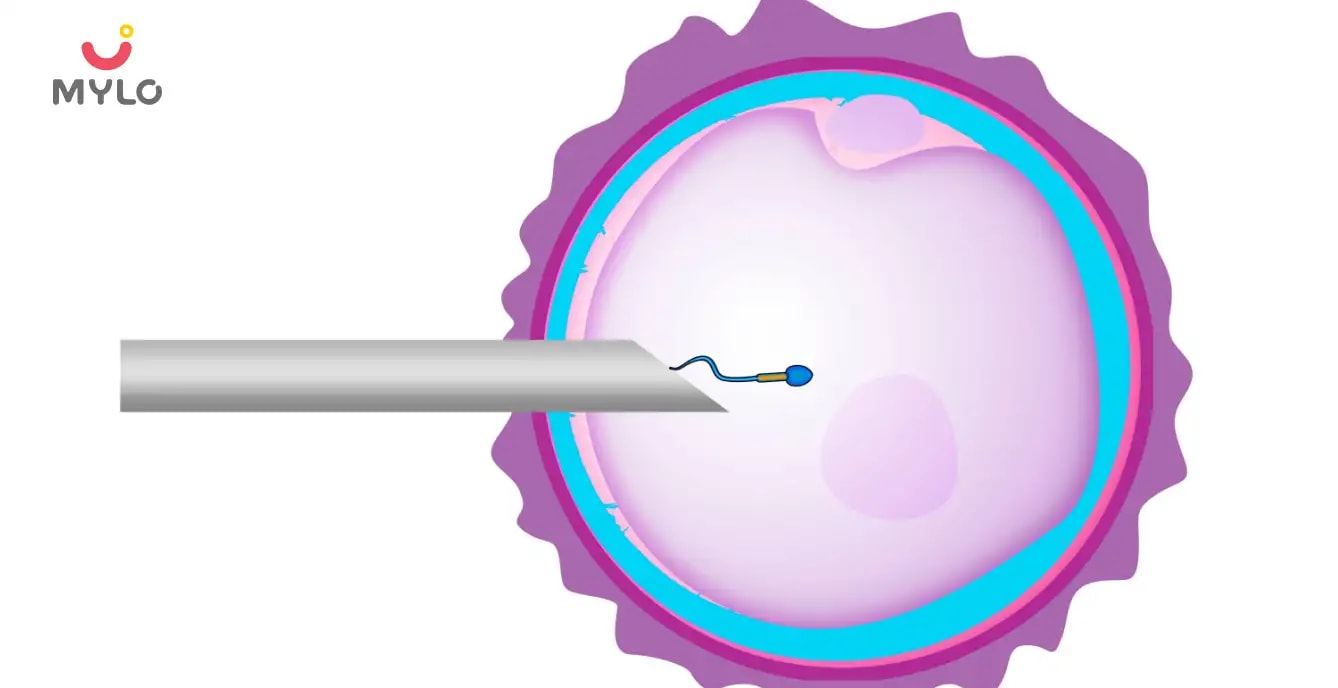
Intracytoplasmic Sperm Injection is an advanced assisted reproductive technology used to treat male infertility. It involves the precise and direct injection of a single sperm into an egg to facilitate fertilization. This technique is typically employed when there are issues with sperm quality, such as low sperm count, poor motility, or abnormal morphology.
ICSI vs IVF: What is the Difference Between IVF and ICSI?
In Vitro Fertilization or IVF and ICSI are both advanced fertility treatments used to address infertility, but they differ in the way fertilization is achieved.
IVF involves the process of stimulating a woman's ovaries to produce multiple mature eggs, which are then retrieved and fertilized with sperm in a laboratory dish. The eggs and sperm are left together in a controlled environment, and natural fertilization occurs as sperm naturally penetrate the eggs.
ICSI, on the other hand, is a technique used within the IVF process. With ICSI, a single sperm is carefully selected and directly injected into the cytoplasm of an egg using a microscopic needle. This method bypasses natural fertilization barriers, making it highly effective for couples dealing with male infertility, such as low sperm count or poor sperm quality.
You may also like : Are You Aware of These Common Male Infertility Problems? What Are the Signs, Symptoms & Causes of It?
What are the Uses of ICSI in IVF?
IVF and ICSI serve several important purposes in the field of assisted reproductive technology. Here are the main uses of ICSI in IVF:
1. Male infertility
ICSI is commonly employed when there are issues with sperm quality or quantity. It allows for the direct injection of a single sperm into an egg, bypassing natural barriers to fertilization.
2. Previously failed fertilization
If conventional IVF has resulted in poor or failed fertilization in previous attempts, ICSI can be used as an alternative.
3. Frozen sperm samples
ICSI is beneficial when using frozen sperm samples that may have reduced motility or viability.
4. Sperm retrieval challenges
In cases where sperm retrieval is challenging or limited, such as in cases of obstructive or non-obstructive azoospermia, ICSI allows for the use of surgically retrieved sperm.
5. Genetic testing
ICSI can facilitate genetic testing of embryos before transfer. Preimplantation Genetic Testing (PGT) can be performed on embryos created through ICSI.
What Happens Before, During and After ICSI?
ICSI (Intracytoplasmic Sperm Injection) is a specialized procedure used in conjunction with IVF (In Vitro Fertilization) to address male infertility or other fertility challenges. Here's a breakdown of what happens before, during, and after ICSI:
Before ICSI
-
Fertility evaluation
-
Stimulation of the ovaries
-
Sperm sample collection
During ICSI
-
Sperm collection
-
Sperm injection
After ICSI
-
Fertilization check
-
Embryo culture
It's important to note that the exact process may vary depending on individual circumstances and the specific protocols followed by the fertility clinic.
Are There Any Risks of Intracytoplasmic Sperm Injection?
Intracytoplasmic Sperm Injection is generally a safe and effective fertility treatment. However, like any medical procedure, there are potential risks and considerations associated with ICSI. Some of the risks include:
-
Multiple pregnancies
-
Ovarian hyperstimulation syndrome (OHSS)
-
Egg retrieval risks
-
Failed fertilization
-
Genetic abnormalities
FAQs
1. How many sperm needed for ICSI?
In Intracytoplasmic Sperm Injection, only a single sperm is required for each egg. This precise technique allows for successful fertilization even with a limited number of viable sperm.
2. Is ICSI Painful?
The ICSI procedure itself is not painful as it is typically performed under anesthesia or sedation to ensure the comfort of the patient. However, some individuals may experience mild discomfort or soreness after the procedure, similar to the discomfort felt after a routine injection or minor surgical procedure.
3. What are the Success Rates of ICSI-IVF?
The success rates of ICSI-IVF vary depending on various factors, including the age of the woman, the cause of infertility, the quality of the embryos, and the expertise of the fertility clinic. On average, the success rates for ICSI-IVF range from 40% to 60% per cycle for women under 35, with slightly lower success rates for older age groups.
Key Takeaways
Intracytoplasmic Sperm Injection is a powerful technique used in conjunction with IVF to address male infertility and other fertility challenges. By directly injecting a single sperm into an egg, ICSI overcomes barriers to fertilization and increases the chances of successful pregnancy. Consulting with a fertility specialist can provide personalized guidance and support throughout the ICSI-IVF journey, helping couples achieve their dream of starting or expanding their family.
References
1. Alukal, J. P., & Lamb, D. J. (2008). Intracytoplasmic Sperm Injection (ICSI) – What are the Risks? Urologic Clinics of North America
2. Zheng, D., Zeng, L., Yang, R., Lian, Y., Zhu, Y.-M., Liang, X., Tang, L., Wang, H., Cao, Y., Hao, G., Liu, J., Zhao, J., Wang, R., Mol, B. W., Li, R., Huang, H.-F., & Qiao, J. (2019). Intracytoplasmic sperm injection (ICSI) versus conventional in vitro fertilisation (IVF) in couples with non-severe male infertility (NSMI-ICSI)
 Yes
Yes
 No
No
Your parenting partner
in your pocket.
supportive community.

Your parenting partner
in your pocket.
supportive community.


Article Posted Under

Dr. Madhavi Gupta is an accomplished Ayurvedic doctor specializing in Medical content writing with an experience of over 10 years.
Related Articles
The Floor Toddlers Live on and Why Keeping It Clean and Safe Matters
5· 4 min
4 min Home Hygiene and the Importance of Clean Floors During Pregnancy
6·4 min Are Lactation Supplements Safe and How to Choose the Right One?
7 min How Should You Take lactomama Lactation Granules And What is The Best Time of Day to Take Them for Better Results?
7 min
Questions about this article
- Asked when 38 weeks pregnant
Hello frnds..still no pain...doctor said head fix nhi hua hai..bt vagina me pain hai aur back pain bhi... anyone having same issues??
- Asked when 23 weeks pregnant
Kon kon c chije aisi hai jo pregnancy mei gas acidity jalan karti hain... Koi btayega plz bcz mujhe aksar khane ke baad hi samagh aata hai ki is chij se gas acidity jalan ho gyi hai. Please share your knowledge
- 14 weeks pregnant
I am 13 week pregnancy. Anyone having Storione-xt tablet. It better to have morning or night ???
- Asked when 10 weeks pregnant
Hlo to be moms....i hv a query...in my 9.5 wk i feel body joint pain like in ankle, knee, wrist, shoulder, toes....pain intensity is high...i cnt sleep....what should i do pls help....cn i cosult my doc.
- Asked when 33 weeks pregnant
Influenza and boostrix injection kisiko laga hai kya 8 month pregnancy me and q lagta hai ye plz reply me
Recently Published Articles
Your body needs extra nutrition this trimester - these can help.

Baby Sleeping While Breastfeeding: Understanding the Causes and Solutions

Lump in Breast During Breastfeeding How to Identify, Treat, and Prevent Lump Formation

Lactation Failure: A Comprehensive Guide to Understanding the Causes and Solutions

Breast Pain During Pregnancy: What to Expect and How to Find Relief

Baby Spit Up: The Ultimate Guide to Causes, Prevention, and Management
Medical Disclaimer
This content is for informational purposes only and should not replace professional medical advice. Consult with a physician or other health care professional if you have any concerns or questions about your health. If you rely on the information provided here, you do so solely at your own risk.


AWARDS AND RECOGNITION

Mylo wins Forbes D2C Disruptor award

Mylo wins The Economic Times Promising Brands 2022
AS SEEN IN












- Mylo Care: Effective and science-backed personal care and wellness solutions for a joyful you.
- Mylo Baby: Science-backed, gentle and effective personal care & hygiene range for your little one.
- Mylo Community: Trusted and empathetic community of 10mn+ parents and experts.


Product Categories
Baby Carrier | Baby Soap | Baby Wipes | Stretch Marks Cream | Baby Cream | Baby Shampoo | Baby Massage Oil | Baby Hair Oil | Stretch Marks Oil | Baby Body Wash | Baby Powder | Baby Lotion | Diaper Rash Cream | Newborn Diapers | Teether | Baby Kajal | Baby Diapers Pants | Cloth Diapers | Laundry Detergent | Lactation Granules |