


Orders

Profile

How to Gradually Incorporate New Food Items into Your Baby’s Diet?
 197 Likes|
 7 min
7 minAI-Generated Summary
Quick overview in 30 seconds.webp&w=32&q=75)
Summary
- Babies receive nutrition solely from breast milk during 1-3 months, so mothers must consume protein-rich, nutrient-dense foods to support their baby's growth and development.
- From 4-6 months, you can gradually introduce fruits like apples, bananas, avocados, pears, and vegetables such as sweet potato, green peas, and butternut squash.
- Between 6-12 months, slowly add meats, dairy, grains, lentils, and varied vegetables, ensuring new foods are introduced gradually to avoid overwhelming your baby's sensitive developing stomach.
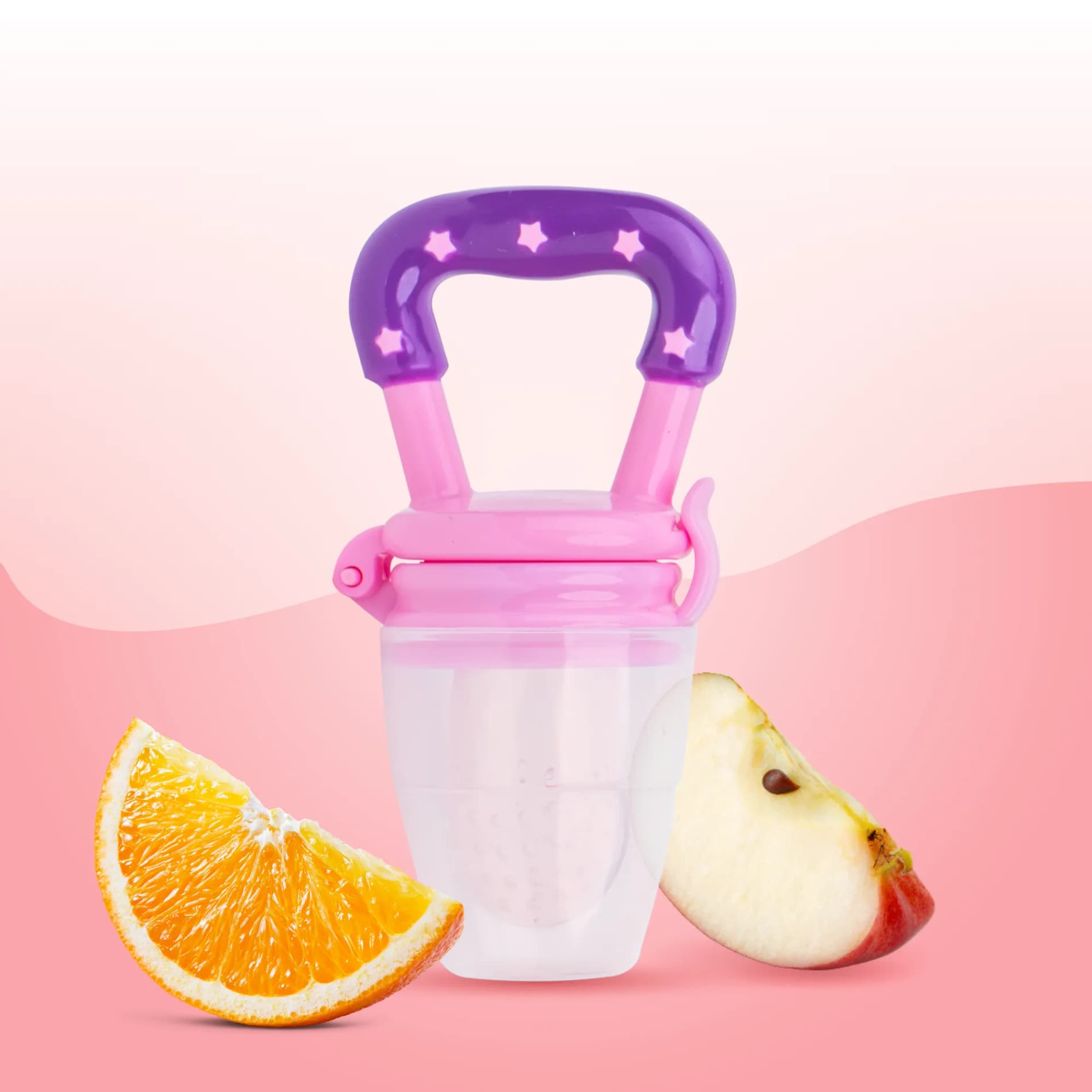
- Looking for safe ways to let your baby explore new foods? Explore our Fruit & Food Nibbler - Pink designed for safe self-feeding of fruits and soft foods.
 4.5
4.5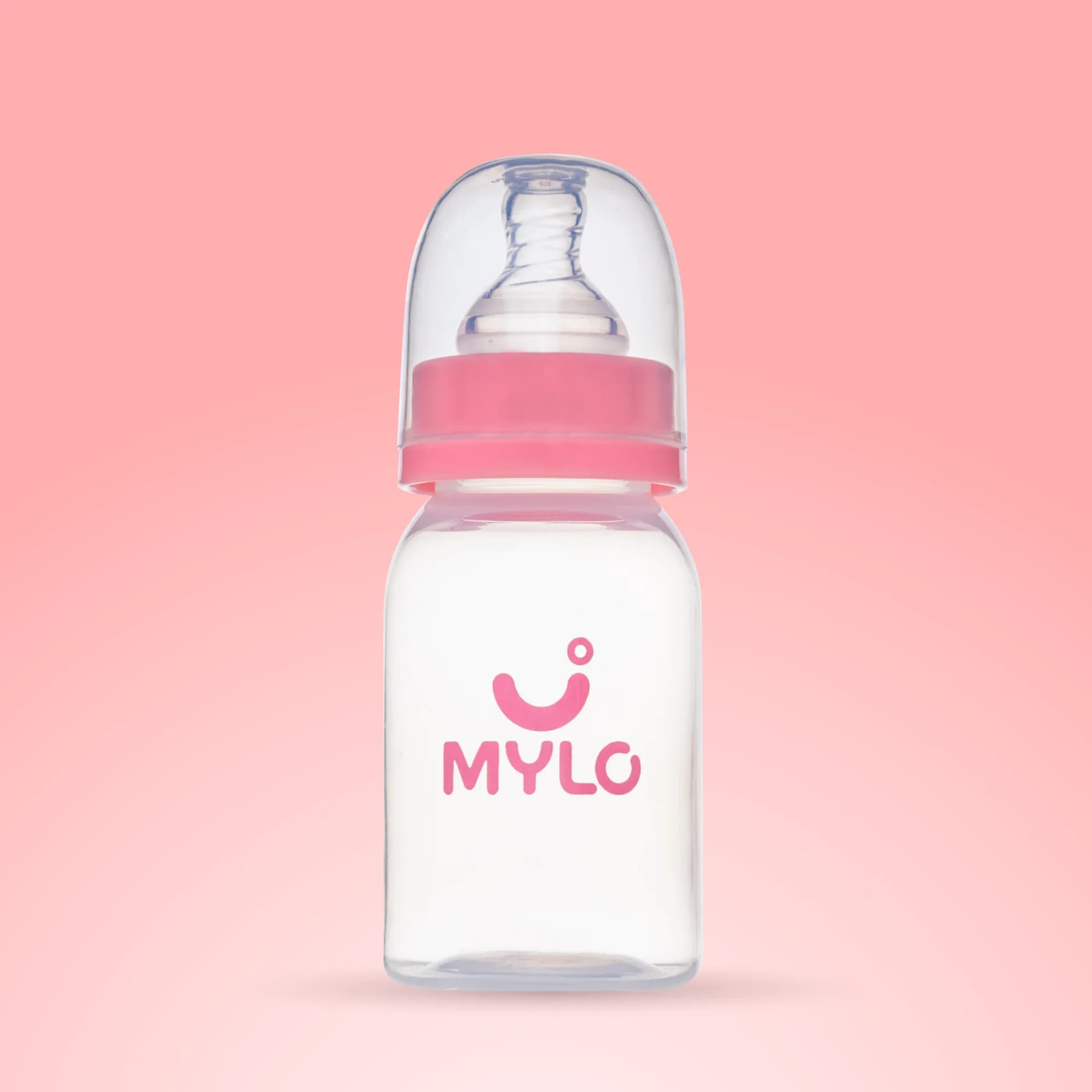 4.8
4.8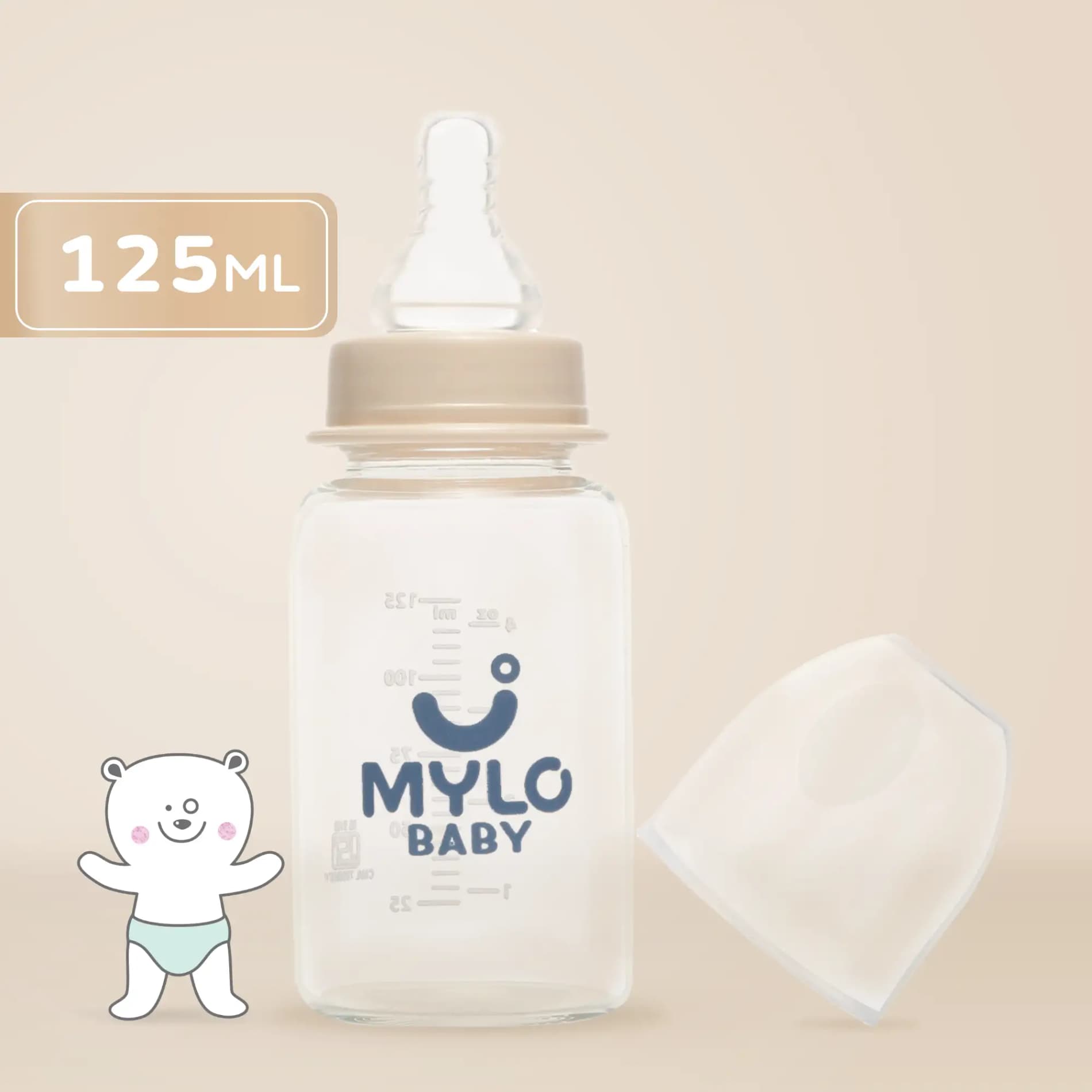 4.4
4.4 4.8
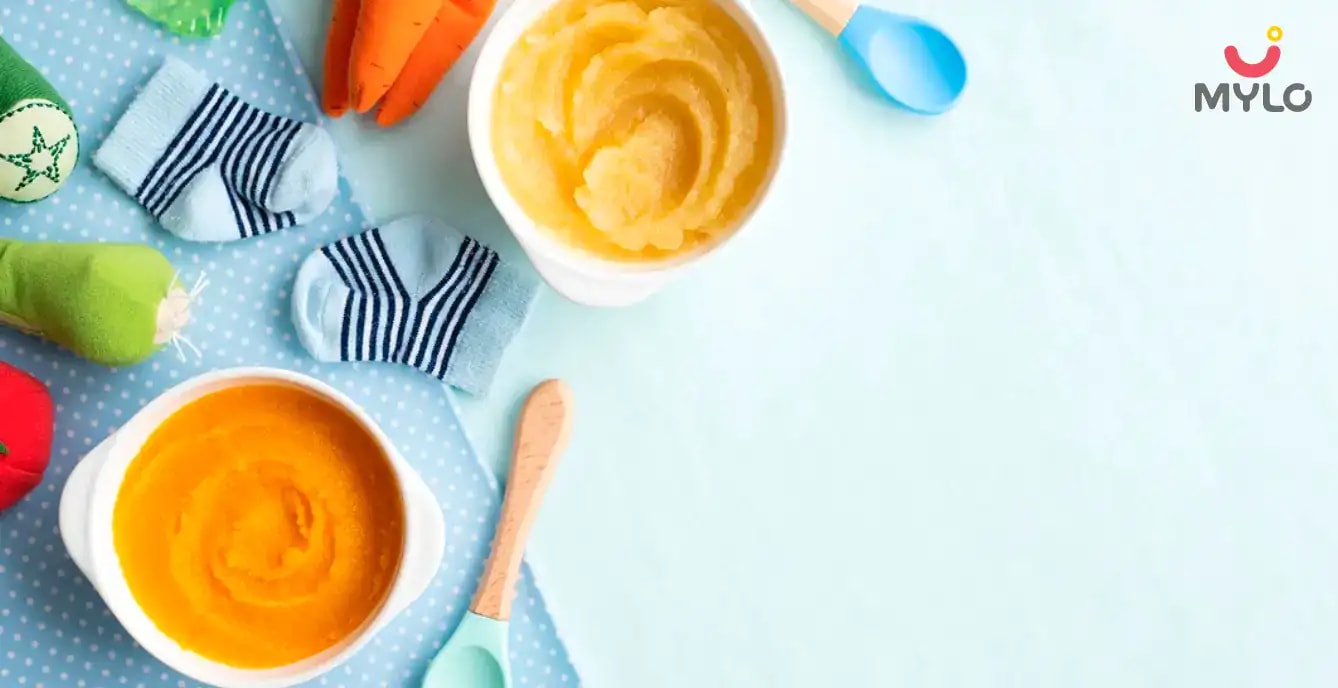
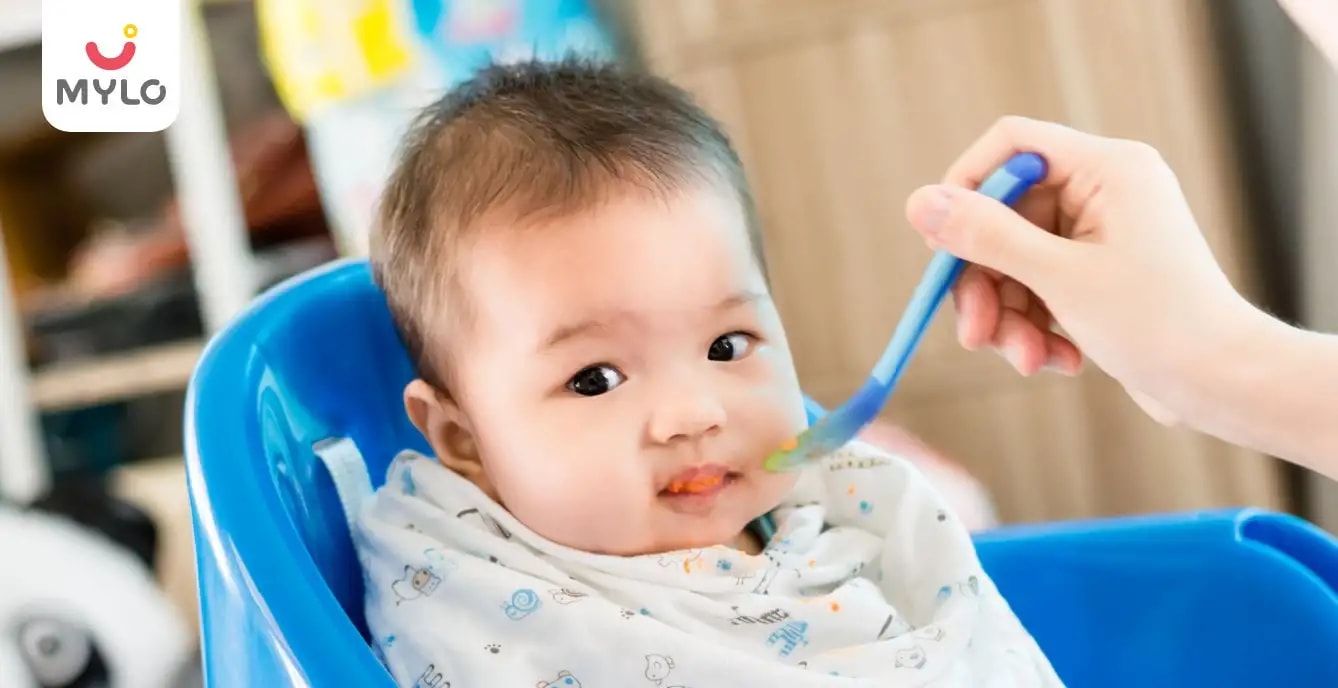
4.8Indeed, becoming a new mom could be pretty overwhelming sometimes. As a result, a mother will have to be extra careful when it comes to her baby’s diet after the baby is four months old. However, if you wish to learn how to incorporate new food items into your baby’s diet gradually, you can consider reading this article!
During this phase, a 1-year baby food chart can be of great help—besides, this food chart will help you learn the gradual process of introducing food items.
Gradually Incorporating New Food Items For Different Month-Groups
1-3 Months
Since your baby is breastfed, they will be receiving most of their nutritional requirements from their mother’s breast milk. Therefore, the mother must consume foods rich in proteins and other healthy nutrients. During this phase, sticking to a 3 months baby food chart can be genuinely beneficial!
4-6 Month Babies
You can consider introducing new food items into your baby’s diet during this month's journey. For example, a few fruits you can include are apples, avocados, bananas, and pears. Apart from that, you can also get your baby to try out a few vegetables like green peas, sweet potato, and squash butternut.
Consider not starting on any meat during your baby’s 4-to-6-month phase. Besides, as your baby is still breastfed, it may be essential for you to keep dairy as far as possible. Introducing barley, oats, as well as rice could be beneficial during this journey. You can also consider sticking to a 4-month-old baby food chart during this phase.
6-8 Month Babies
If your baby is within this month's group, you may have to adopt a different approach. You can include a few more food items such as mangos, plums, and peaches. You can also start with veggies such as carrots, zucchini squashes, and peas. A 6-month-old baby food chart can provide you with the additional guidance required.
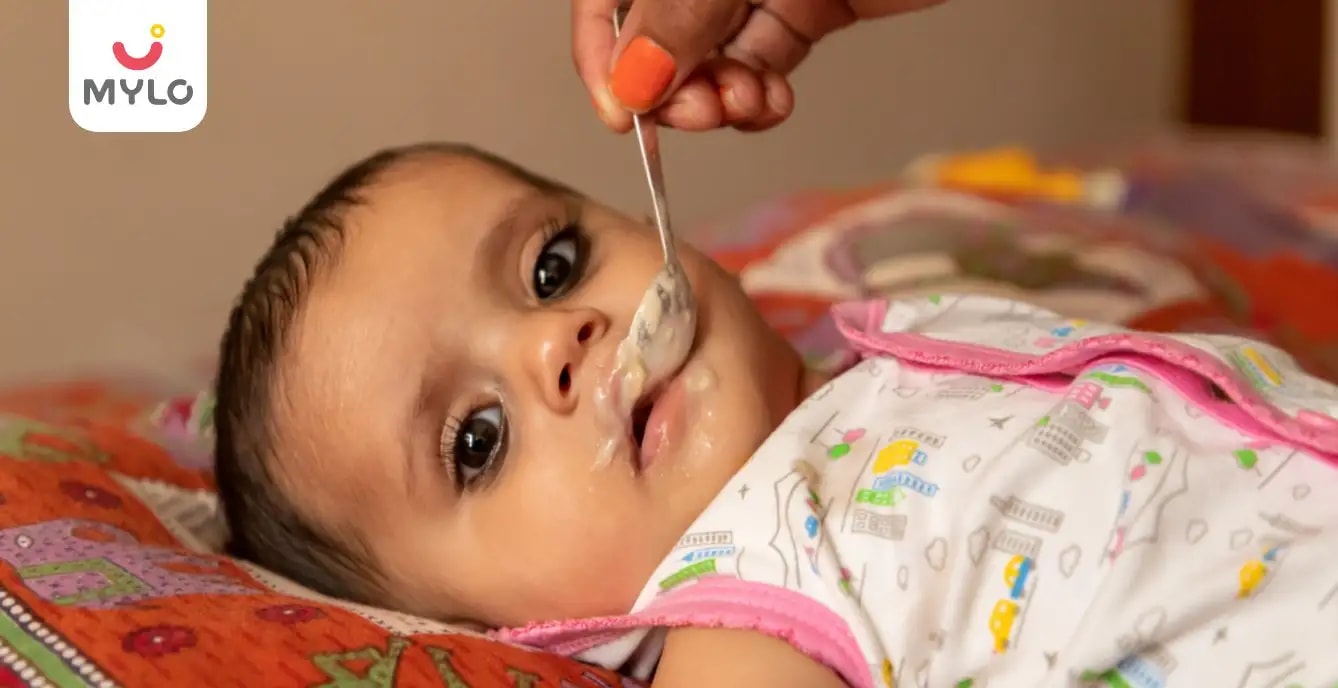
It is most likely ideal to start with meat items such as turkey and chicken during this phase. Apart from that, your baby can start with dairy too. However, your baby is more likely to eat way too many varieties of food items during this journey. Therefore, it may be crucial for a mother to make sure that her baby starts new food items slowly and steadily.
8-10 Month Babies
You can include almost all the fruits into your baby's diet during this phase. A few of the fruits include coconuts, cranberries, figs, and grapes. For vegetables, you can start with asparagus, pepper, and cauliflower.
You can include new food items such as beef and pork for meat. You can consist of more varieties of grains to your baby’s diet, a few of them including flax, pasta, and quinoa. Under diary, you can start feeding your child cheese and other dairy items.
10-12 Month Babies
When your child is under this phase, you can start by feeding your child a few lentils as well as soup. Besides, you can also consider starting with corn, spinach, and tomato. During this phase, your child can consume more variety compared to last month's group. An 11-month-old baby food chart can be quite helpful during this phase.
12 Month Babies
At this phase, your child is already a year old. Thus, you can now start by feeding your child cow’s milk. Apart from that, you can also provide your child with citrus fruits such as oranges and even mandarins. After your baby is a year old, your baby is free to eat anything healthy. However, this is also an age group where a baby is most likely to develop a sweet tooth. Therefore, care must be taken to ensure that your baby’s sweet tooth isn’t satisfied frequently.
Consider starting with mangoes and other sweet fruits to satisfy your child’s craving. Since chocolates and lollipops can get quite addicting, a mother must ensure that her child is only “tasting” most of the lollipops and chocolates at this age.
Why Is It Important To Start Out Slow With Your Baby’s Diet?
For a baby still growing, the stomach tissues are pretty sensitive since they are still developing. Therefore, it is most likely that your child may fall sick if numerous food items are included in this diet at a very young phase. Consequently, it becomes essential to gradually start with new food items to ensure that your baby receives all the required nutrients gradually.
The food items that your baby consumes during their first year are essential to support your baby’s nutritional requirements. Apart from that, infants still breastfed may need to be fed at least eight or even ten times every day. You can stick to the frequency range of 6 to 10 times for formula-fed babies.
Few Aspects To Consider Before Your Baby Starts On This Journey!
Nutrition is essential for your child's development and growth during their initial years. Starting excellent eating habits at a young age will assist in establishing healthy eating practices for life. Eating should depend on your infant's chronological age, maturity, and eating abilities.
Babies can tell if they are hungry all the time. So feed your child whenever they are ready. Breastfed newborns should be breastfed eight to twelve times per day, for 10 minutes per nipple at each feed. Consider sticking to a baby food chart when feeding your child.
Formula-fed babies should be nourished six to ten times per day, including at night. It is not suggested to put foods in a formula, such as solid foods, to help your baby sleep soundly at night. This can lead your baby to gain weight and reduce the critical nutrient intake. Besides, it may also turn out to be a potential choking danger.
Your infant will drink less when they begin to consume solid meals. Gradually increase the quantity of the regular diet you provide while reducing the level of breastmilk. Remember that all meals should be served with a spoon rather than a bottle.
References
1. NHS. Introducing your baby to solids. www.hct.nhs.uk
2. Kathryn G Dewey, TusaRebecca Pannucci, Kellie O Casavale. (2021). Development of Food Pattern Recommendations for Infants and Toddlers 6–24 Months of Age to Support the Dietary Guidelines for Americans, 2020–2025, The Journal of Nutrition. academic.oup.com
3. Abeshu MA, Lelisa A, Geleta B. (2016). Complementary Feeding: Review of Recommendations, Feeding Practices, and Adequacy of Homemade Complementary Food Preparations in Developing Countries - Lessons from Ethiopia. NCBI
4. Amezdroz E, Carpenter L, O'Callaghan E, Johnson S, Waters E. (2015). Transition from milks to the introduction of solid foods across the first 2 years of life: findings from an Australian birth cohort study. NCBI
Trusted By Moms Starting Solids With Their Little Ones
Introducing new foods is a big milestone - these feeding essentials make the journey smoother and safer.
Fruit & Food Nibbler - Pink
Convenient to Introduce Fruits & Veggies to Baby | Ultra-soft Silicone Mesh for Easy Chewing | Easy One Snap Filling | Helps Relieve Teething Discomfort



2-in-1 Baby Feeding Sipper Bottle (Pink) - 125 ml
BPA Free with Anti-Colic Nipple | Feels Natural Baby Bottle | Easy Flow Neck Design



Glass Feeding Bottle - 125 ml
BPA Free | Anti-Colic | 100% Food Grade | Stain & Odor Free



Stainless Steel Feeding Sipper Bottle - 140 ml
BPA Free | Anti-Colic | 100% Food Grade | Feels Natural Baby Bottle | Non-toxic Rust Free


 Yes
Yes
 No
No
Your parenting partner
in your pocket.
supportive community.

Your parenting partner
in your pocket.
supportive community.


Article Posted Under
Helpful Tools & Calculators

.webp&w=32&q=75)











Official account of Mylo Editor
Related Articles

Questions about this article
- Asked when Mother of 5 Months Old Baby
Can i start a solid food for a baby now
- Asked when Mother of 6 Months Old Baby
This post is not at all useful... According to months given... And food items they are telling is all absurd!!!!
- Asked by Mother of 6 Months Old Baby
Is it okay to introduce orange juice from 6th month?
Related Topics
.webp&w=32&q=75)
Recently Published Articles
Your body needs extra nutrition this trimester - these can help.
গর্ভাবস্থায় আলুবোখরা: উপকারিতা ও ঝুঁকি | Prunes During Pregnancy: Benefits & Risks in Bengali
স্তনের উপর সাদা দাগ: লক্ষণ, কারণ এবং চিকিৎসা | White Spots on Nipple: Causes, Symptoms, and Treatments in Bengali
গর্ভাবস্থায় মাছ: উপকারিতা এবং ঝুঁকি | Fish In Pregnancy: Benefits and Risks in Bengali

গর্ভাবস্থায় রেড ওয়াইন: পার্শ্ব প্রতিক্রিয়া এবং নির্দেশিকা | Red Wine During Pregnancy: Side Effects & Guidelines in Bengali
ইনার থাই চ্যাফিং: কারণ, উপসর্গ এবং চিকিৎসা | Inner Thigh Chafing: Causes, Symptoms & Treatment in Bengali
Medical Disclaimer
This content is for informational purposes only and should not replace professional medical advice. Consult with a physician or other health care professional if you have any concerns or questions about your health. If you rely on the information provided here, you do so solely at your own risk.
4.5(183)

AWARDS AND RECOGNITION

Mylo wins Forbes D2C Disruptor award

Mylo wins The Economic Times Promising Brands 2022
AS SEEN IN












- Mylo Care: Effective and science-backed personal care and wellness solutions for a joyful you.
- Mylo Baby: Science-backed, gentle and effective personal care & hygiene range for your little one.
- Mylo Community: Trusted and empathetic community of 10mn+ parents and experts.


Product Categories
Baby Carrier | Baby Soap | Baby Wipes | Stretch Marks Cream | Baby Cream | Baby Shampoo | Baby Massage Oil | Baby Hair Oil | Stretch Marks Oil | Baby Body Wash | Baby Powder | Baby Lotion | Diaper Rash Cream | Newborn Diapers | Teether | Baby Kajal | Baby Diapers Pants | Cloth Diapers | Laundry Detergent | Lactation Granules |