


Orders
.png&w=48&q=75 "login")
Profile


Wallet

Oligohydramnios (Low Amniotic Fluid During Pregnancy): Causes, Symptoms & Treatment

 655 Likes|
 5 min
5 minAI-Generated Summary
Quick overview in 30 seconds.webp&w=32&q=75)
Summary
- Oligohydramnios is a pregnancy condition where amniotic fluid levels are too low, affecting the baby's cushioning, movement, umbilical cord protection and overall development in the womb.
- Common signs include AFI less than 5cm, fluid leaking from the vagina, reduced baby movement, poor weight gain and slower fetal growth, most often in the last trimester.
- Causes include water breaking, placental problems, post-date pregnancy, urinary tract issues, certain medications, maternal hypertension or diabetes, and carrying identical twins sharing a placenta.
- Worried about your amniotic fluid levels? Always consult your gynecologist for ultrasound scans, AFI measurement and personalised treatment like hydration, bed rest or amnioinfusion based on severity.
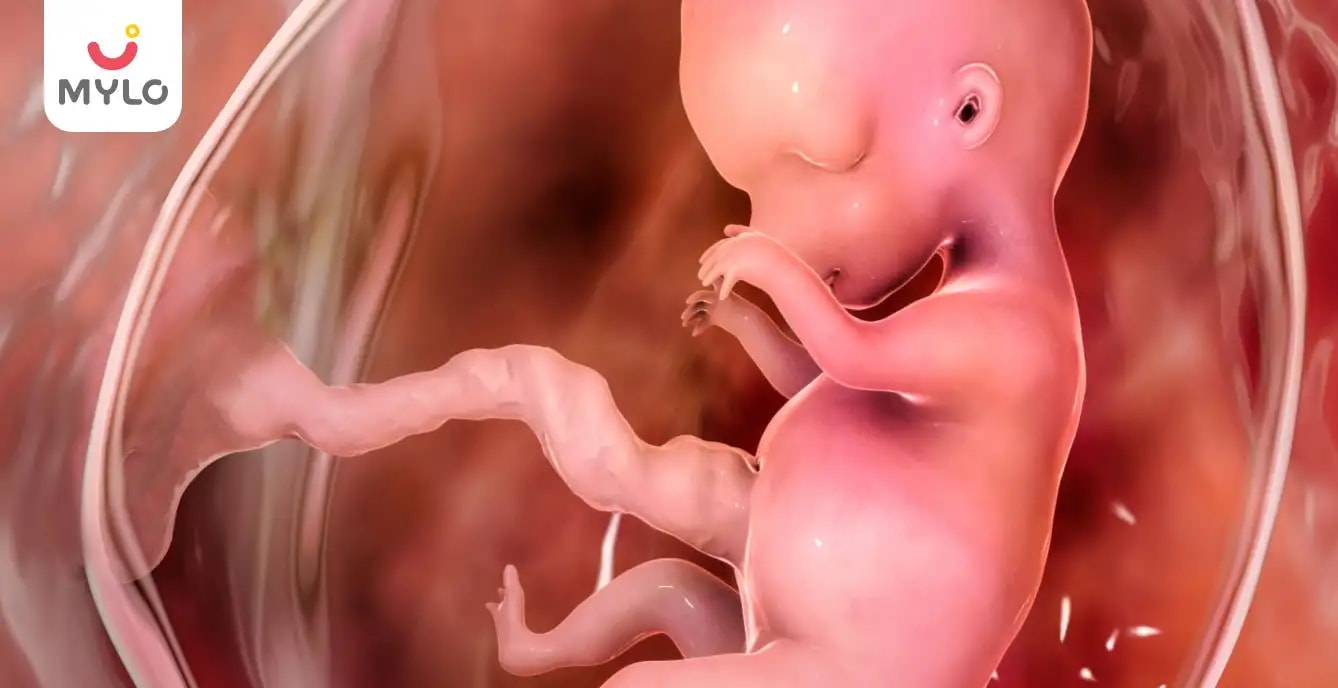
When a pregnant woman has too little amniotic fluid then this condition is termed Oligohydramnios. Amniotic fluid is a fluid that surrounds the growing baby in the uterus and helps in the development of an unborn child. It acts as a cushion to your baby, which allows your baby to move in the womb and prevents the umbilical cord to get pressed. By protecting the baby from any injury, the amniotic fluid performs several crucial functions.
During pregnancy, your gynecologist will measure the amount of amniotic fluid through deep pocket measurements. After the AFI (amniotic fluid index) evaluation, if the doctor suspects that it is lower than the baby’s gestational age, then it can affect your health as well as the baby’s health. When the amniotic fluid levels are low in the body of a pregnant woman, then this condition is termed Oligohydramnios. If the fluid is too high, then it is termed Polyhydramnios.
What are the medical signs of Oligohydramnios?
A doctor may suspect oligohydramnios when:
-
The volume of amniotic fluid is less than 500ml during 32nd-36th weeks of pregnancy
-
AFI is less than 5cm
-
Absence of the fluid pocket 2-3cm (in-depth)
When can Oligohydramnios occur during pregnancy?
Oligohydramnios can occur any time during pregnancy, however, it is most common during the last trimester. If the woman has passed her due date by 2 weeks or more than that, then her pregnancy is at high risk because the fluid decreases once the woman crosses 41 weeks of gestation. If your belly is not growing the way it should during pregnancy, then your doctor might ask you to undergo a scan.
What are the symptoms of low amniotic fluid during pregnancy?
Here are some common signs and symptoms of low amniotic fluid levels:
-
Fluctuations in blood pressure levels
-
Constant leaking fluid from the vagina
-
You are unable to feel the movement of your baby
-
Both mother and the child are not gaining enough weight
-
The growth of the baby elongates
What are the causes of Oligohydramnios?
Oligohydramnios or low amniotic fluid during pregnancy is caused by:
1. Water breaking
It happens when the amniotic sac tears off and the fluid flows out. It is natural if it happens around your due date but if it happens before and after your due date, then you must immediately seek medical help.
2. Urinary problems
Issues with the development of the kidneys or the urinary tract can lead to lower levels of amniotic fluid, which causes lesser production of urine.
3. Problems with the placenta
The baby may stop recycling the fluid when your placenta is unable to provide enough blood and nutrients to the baby.
4. Post-date pregnancy
Amniotic fluid naturally decreases when the woman crosses her 42nd week of pregnancy.
5. Use of certain medication
Your doctor might strongly recommend you to avoid medicines of high blood pressure or painkillers as they may lower your amniotic fluid.
6. Maternal complications
Maternal complications like hypertension, diabetes, preeclampsia, chronic hypoxia, etc. can also affect the amniotic fluid levels.
7. Identical twins
The issue of low amniotic fluid can also occur if you are carrying identical twins that share the placenta.
How can Oligohydramnios be diagnosed?
With the help of the following methods, your Obstetrician and Gynecologist can detect oligohydramnios:
1. Ultrasound scans
The fluid is measured in 4 various parts of the uterus and then is put together to evaluate AFI. The kidneys and the bladder of the baby are also assessed to check for any anomalies. Head circumference, abdominal circumference, and femur length are also assessed during an ultrasound scan.
2. AFI (amniotic fluid index)
It is measured through ultrasonography where a doctor can determine the volume of fluid in your uterus.
3. Sterile Speculum Examination
With the help of a speculum (device) a doctor can look inside the vagina and can observe the cervix.
4. Maximum vertical pocket
With the help of ultrasound scan reports a doctor can check the volume of fluid in the thickest part of the uterus excluding the umbilical cord and fetal portion.
5. Blood tests
Maternal serum screening can help in the detection of low fluid. The doctor may also observe any congenital problems in your baby like Down’s syndrome through a blood test.
6. Amniotic wrinkle
It is possible when you are carrying identical twins and doctors have to detect whether both the babies are getting enough amniotic fluid or not.
What are the risk factors of Oligohydramnios?
Some pregnant women are at a higher risk of Oligohydramnios than others and this includes women with:
-
Diabetes
-
Obesity
-
High blood pressure during pregnancy
-
Problems with placenta
-
Lupus (an autoimmune disease)
Treatment of Oligohydramnios
In mild conditions, the doctor will always advise you to drink plenty of fluids to keep your body hydrated. If Oligohydramnios is diagnosed in the last trimester of pregnancy, then your doctor might do the following treatment for the severe condition:
-
Amnioinfusion
-
Vesico-amniotic shunt
-
Bed rest
-
Fluid injections
-
Maternal hydration
-
Termination of pregnancy
Article Posted Under
Related Articles
Water Breaking During Pregnancy: All That You Need to Know
 1247·5 min
 How to Increase Amniotic Fluid: Foods, Tips and Tricks for Expecting Mothers
 77·9 min
 When to Stop Bending During Pregnancy: Safe Technique by Trimester (2026 Guide)
 6·13 min
 Things You Need to Know About Endometriosis Cyst and Pregnancy
8·5 min
Related Topics
.webp&w=32&q=75)
Medical Disclaimer
This content is for informational purposes only and should not replace professional medical advice. Consult with a physician or other health care professional if you have any concerns or questions about your health. If you rely on the information provided here, you do so solely at your own risk.


AWARDS AND RECOGNITION

Mylo wins Forbes D2C Disruptor award

Mylo wins The Economic Times Promising Brands 2022
AS SEEN IN













- Mylo Care: Effective and science-backed personal care and wellness solutions for a joyful you.
- Mylo Baby: Science-backed, gentle and effective personal care & hygiene range for your little one.
- Mylo Community: Trusted and empathetic community of 10mn+ parents and experts.


Product Categories
Baby Carrier | Baby Soap | Baby Wipes | Stretch Marks Cream | Baby Cream | Baby Shampoo | Baby Massage Oil | Baby Hair Oil | Stretch Marks Oil | Baby Body Wash | Baby Powder | Baby Lotion | Diaper Rash Cream | Newborn Diapers | Teether | Baby Kajal | Baby Diapers Pants | Cloth Diapers | Laundry Detergent | Lactation Granules |