


Orders

Profile

Everything You Need to Know About the Different Stages of Labour
 24 Likes|
 5 min
5 min

Obstetrician & Gynecologist · 41 years experience
Labour is often described as the contractions you get leading up to the birth of your baby. But it actually goes on until your placenta is delivered. Labour is divided into three stages. In this article, we will understand in detail about the three stages of labour.
What are the stages of labour?
Labour is divided into three stages:
1. First stage
The first stage of labour starts with the opening of the cervix, the neck of the uterus.
2. Second stage
The second stage of labour begins when your cervix has dilated 10cm and you start pushing the baby out. The second stage lasts until the baby is born.
3. Third stage
After delivering the baby, the third stage of labour kicks in, when the placenta is delivered.
What happens in the first stage of labour?
The first stage of labour is often the longest. It is further broken down into three stages, namely the early, active and transitional phases.
1. Early phase or pre-labour
The early phase of labour is also known as the latent period or pre-labour. During the early phase, the uterus begins to contract or tighten. The contractions gradually become more regular and painful. As the cervix begins to open, its position in the pelvis changes. It moves ahead, softens and effaces, which means that it begins to get thinner and springier.
Every woman has her own unique rhythm and pace of labour. Some women may not even be aware of the initial contractions and may be several centimetres dilated before they realise they are in labour. Other women, on the contrary, may have painful contractions from the start.
2. Active phase of labour
Doctors say you are in active labour when your cervix has dilated or opened to 3cm or 4cm. Your contractions will start getting stronger, more frequent and longer. Eventually, they may come as frequently as every three to four minutes and last for 60 to 90 seconds.
3. Transitional phase of labour
During the transitional phase of labour, the cervix dilates from 8cm to 10cm. Contractions may last for over a minute and come every two to three minutes. Some women begin to feel shaky, shivery and sick during the transitional phase.
You may also like: Follow These 6 Labor Tips and Rock Your First Birth
What happens in the second stage of labour?
Once the cervix has dilated to 10cm, the second stage of labour begins. This is when you feel the urge to push your baby out. Your baby will gradually slip down the birth canal. There's often a lull at the end of the first stage when the contractions stop, and you and your baby can rest for a while. When the contractions start again, you'll sense the pressure of your baby's head between your legs. With each contraction and every push, your baby will move down through your pelvis a little, but at the end of the contraction, slip back up again. As long as the baby keeps on moving on a little further each time, you're both doing fine.
The doctors and nurses may encourage you to push stronger and harder during the contractions. Some doctors may even yell at you, thinking that the pressure might make you push harder. Sometimes doctors also pat the thigh or back of the woman in labour to urge her to push harder. If you get annoyed or hassled by these techniques, ask them to tone things down. This is your baby's birth so feel free to do it in a way that makes you comfortable.
You may also like: Why Is Enema Given During Pregnancy?
When the baby's head is far down in the pelvis and stretching the opening of the vagina, most women feel a hot, stinging sensation and this is known as crowing. As your baby's head begins to come out, the doctor may ask you to stop pushing and gently pant. This makes sure that the baby is born gently and slowly, and should reduce the risk of tearing your perineum or needing an episiotomy. If you have had a baby or babies before, the second stage may only take five or ten minutes. If this is your first baby, it can span several hours.
What happens in the third stage of labour?
The third stage of labour begins when you have delivered the baby but are yet to deliver the placenta. Contractions will begin again a few minutes after the baby is born, but they won't be as intense. These contractions cause the placenta to detach from the uterine wall and come down to the bottom of the womb. The placenta along with the membranes of the empty bag of water attached will pass down and out through the vagina.
Delivering the placenta usually takes less than 15 minutes, but sometimes it can take up to an hour. It depends on whether you have a managed or natural third stage. The doctor will carefully examine the placenta and membranes to make no remains have been left behind. They will then check that your uterus is contracting hard in order to stop the bleeding.
Closing Thoughts
Once you are through with the three stages of labour, rejoice in this beautiful time with your baby and partner. Welcome to parenthood!
 Yes
Yes
 No
No
Your parenting partner
in your pocket.
supportive community.

Your parenting partner
in your pocket.
supportive community.


Article Posted Under
Helpful Tools & Calculators
.webp&w=32&q=75)













One of the leading gynaecologists of Delhi, Dr. Kusum Sabharwal has established the clinic and has gained a loyal clientele over the past few years and is also frequently visited by several celebrities, aspiring models and international patients. The efficiency, dedication, precision and compassion offered at the clinic ensure that the patient's well-being, comfort and needs are kept of top priority. The clinic is equipped with latest types of technology.
Related Articles
Inducing labor - How it works, what you should expect and its importance for a safe natural delivery
 252·3 min
 Contractions: What They Mean & Their Types
 17·5 min
 Are you at the risk during your pregnancy? Here's a complete guide on Preterm labor- Signs, Symptoms, and Causes.
 42·4 min
 Beware of These 3 Signs of False Labor
 268·6 min
Related Videos
Activating Labor

Safe Exercises for Normal Delivery | Third Trimester Pregnancy Exercises

How long to wait for natural contractions? - Dr. Shefali Tyagi

Early signs and symptoms of labor
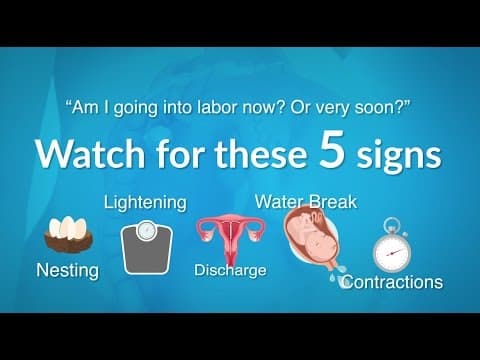
watch for these signs of approaching labor
Questions about this article
- Asked when 38 weeks pregnant
Hello frnds..still no pain...doctor said head fix nhi hua hai..bt vagina me pain hai aur back pain bhi... anyone having same issues??
- Asked when 23 weeks pregnant
Kon kon c chije aisi hai jo pregnancy mei gas acidity jalan karti hain... Koi btayega plz bcz mujhe aksar khane ke baad hi samagh aata hai ki is chij se gas acidity jalan ho gyi hai. Please share your knowledge
- 14 weeks pregnant
I am 13 week pregnancy. Anyone having Storione-xt tablet. It better to have morning or night ???
- Asked when 10 weeks pregnant
Hlo to be moms....i hv a query...in my 9.5 wk i feel body joint pain like in ankle, knee, wrist, shoulder, toes....pain intensity is high...i cnt sleep....what should i do pls help....cn i cosult my doc.
- Asked when 33 weeks pregnant
Influenza and boostrix injection kisiko laga hai kya 8 month pregnancy me and q lagta hai ye plz reply me
Related Topics
.webp&w=32&q=75)
Recently Published Articles
Your body needs extra nutrition this trimester - these can help.

Why and When Is the Tetanus Toxoid (TT) Vaccine Given During Pregnancy?
How to Guide Your Child to Make Healthy Food Choices and Get the Required Nutrition?

How Can You Manage Asthma During Pregnancy?
Top 10 pregnancy do's and don'ts that is crucial to have a healthy baby

Epidural: Advantages, Disadvantages & Risks
Medical Disclaimer
This content is for informational purposes only and should not replace professional medical advice. Consult with a physician or other health care professional if you have any concerns or questions about your health. If you rely on the information provided here, you do so solely at your own risk.


AWARDS AND RECOGNITION

Mylo wins Forbes D2C Disruptor award

Mylo wins The Economic Times Promising Brands 2022
AS SEEN IN












- Mylo Care: Effective and science-backed personal care and wellness solutions for a joyful you.
- Mylo Baby: Science-backed, gentle and effective personal care & hygiene range for your little one.
- Mylo Community: Trusted and empathetic community of 10mn+ parents and experts.


Product Categories
Baby Carrier | Baby Soap | Baby Wipes | Stretch Marks Cream | Baby Cream | Baby Shampoo | Baby Massage Oil | Baby Hair Oil | Stretch Marks Oil | Baby Body Wash | Baby Powder | Baby Lotion | Diaper Rash Cream | Newborn Diapers | Teether | Baby Kajal | Baby Diapers Pants | Cloth Diapers | Laundry Detergent | Lactation Granules |