


Orders

Profile

Endometrial Thickness in Pregnancy: Your Guide to Understanding What is Normal
 7 min
7 min

C-section & gynae problems · 4 years experience
Pregnancy is a miraculous journey filled with wonder, anticipation, and countless questions. One essential cause of concern is the endometrial thickness in pregnancy or the lining of the uterus. Understanding what is normal in terms of endometrial thickness during pregnancy is crucial.
In this comprehensive guide, we will explore how the endometrium changes throughout different stages of pregnancy, what factors can influence its thickness, and most importantly, what constitutes normal ranges.
What is endometrial thickness?
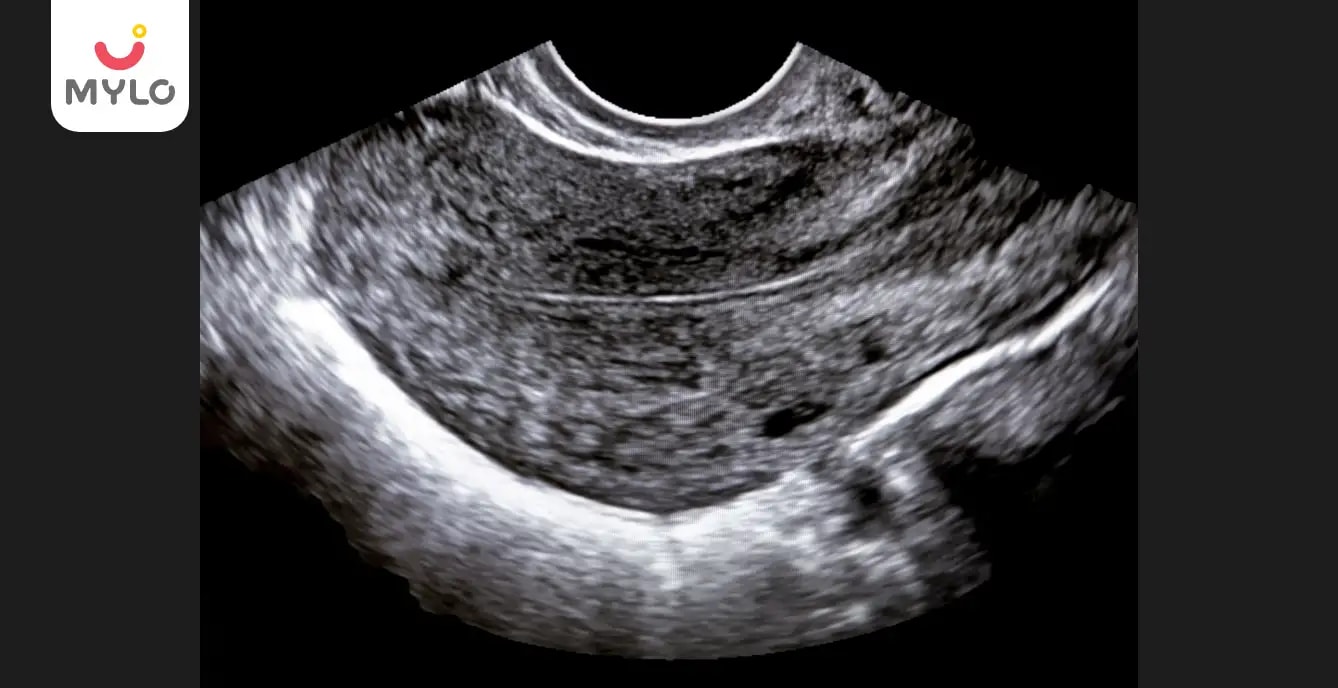
The endometrium is the lining of the uterus that prepares itself for pregnancy every month. It is a dynamic tissue that undergoes changes in response to hormonal fluctuations. Endometrial thickness refers to the measurement of the endometrium, specifically its thickness, which can vary throughout a woman's menstrual cycle.
During pregnancy, the endometrial thickness becomes particularly important as it plays a crucial role in supporting the developing fetus.
What is the role of endometrium in pregnancy?
The endometrium in pregnancy is responsible for providing a nourishing environment for the fertilized egg to implant and grow. After fertilization occurs, the embryo travels through the fallopian tube and reaches the uterus.
At this point, the endometrium is thickened and rich in blood vessels, ready to receive and nurture the embryo. If implantation is successful, the endometrium continues to grow and develop into the placenta, which is essential for the exchange of nutrients and waste between the mother and the fetus.
Pregnancy normal endometrial thickness
During a normal pregnancy, the endometrial thickness undergoes specific changes that are considered within the normal range. In the first few weeks of pregnancy, the endometrial thickness typically remains relatively unchanged from the non-pregnant state.
It is only after implantation occurs that the endometrium starts to thicken. Endometrial thickness in early pregnancy measures around 2-4 millimeters. This thickening is necessary to support the growing fetus and provide adequate blood supply.
By the second trimester, the endometrial thickness can range from 5-10 millimeters. Towards the end of pregnancy, the endometrium may further thicken to around 10-15 millimeters. It's important to note that these measurements are approximate and can vary from person to person. It's always best to consult with a healthcare provider for personalized information and guidance.
What is Abnormal Endometrial Thickness in Pregnancy?
Measurements that deviate from the expected range for a healthy pregnancy are deemed abnormal endometrial thickness. It is important to note that abnormal thickness does not necessarily indicate a problem, as there can be variations among individuals. However, significant deviations from the normal range may warrant further investigation and monitoring.
Abnormal endometrial thickness can be associated with conditions such as endometrial hyperplasia, uterine polyps, or even endometrial cancer. A thorough evaluation by a healthcare professional is necessary to determine the cause and appropriate management.
How Important is Endometrial Thickness in Early Pregnancy?
In early pregnancy, endometrial thickness is of significant importance as it directly affects the success of implantation and the subsequent development of the fetus. An optimal endometrial thickness is necessary for the embryo to implant firmly into the uterine lining and establish a connection with the mother's blood vessels.
In cases where the endometrial thickness is inadequate, it can lead to implantation failure or an increased risk of miscarriage. Therefore, monitoring and assessing the endometrial thickness during early pregnancy are essential to ensure the best possible outcome for both the mother and the developing baby.
Endometrial Thickness 4 Weeks Pregnant
At 4 weeks pregnant, the endometrial thickness is still in the early stages of development. It is important to note that the measurement of endometrial thickness at this stage may not be as accurate due to variations in ultrasound techniques and individual differences.
However, on average, pregnancy normal endometrial thickness at 4 weeks can range from 5 to 8 millimeters. It is crucial to consult with a healthcare provider to interpret the ultrasound results accurately and determine if the endometrial thickness is within the expected range for a healthy pregnancy.
You may also like : Endometrial Scratching: The Ultimate Guide to Meaning, Benefits and Impact on Conception
What are the Factors Affecting Endometrial Thickness During Pregnancy?
Several factors can influence the endometrial thickness throughout pregnancy. These include:
1. Hormonal fluctuations
Hormones, such as estrogen and progesterone, play a crucial role in regulating the thickness and development of the endometrium. Any imbalances in these hormones can impact the endometrial growth.
2. Age
As women age, the endometrium may become thinner, affecting its ability to support a pregnancy. This is particularly relevant for women in their late 30s and 40s.
3. Uterine abnormalities
Structural abnormalities of the uterus, such as polyps, fibroids, or adhesions, can disrupt the normal growth of the endometrium.
4. Inflammation or infection
Infections or inflammatory conditions of the uterus can lead to abnormal thickening or thinning of the endometrium.
5. Medications or medical treatments
Certain medications or medical treatments, such as hormonal therapies or chemotherapy, can affect endometrial thickness.
You may also like : How to Increase Endometrial Thickness: Your Guide to Science-Backed Tips
How to Maintain Optimum Endometrial Thickness in Early Pregnancy?
Maintaining optimum endometrial thickness during pregnancy is essential for a healthy and successful gestation. Here are five ways to help maintain a healthy endometrium:
1. Balanced Diet
Include foods that are high in vitamins, minerals, and antioxidants, such as fruits, vegetables, whole grains, lean proteins, and healthy fats. These nutrients support the growth and development of the endometrium.
2. Adequate Hydration
Staying properly hydrated is important for maintaining optimal endometrial thickness. Drinking an adequate amount of water throughout the day helps ensure proper blood circulation and nutrient delivery to the endometrium.
3. Regular Exercise
Engaging in regular physical activity promotes healthy blood flow to the uterus, which can positively impact endometrial thickness. Moderate-intensity exercises like walking, swimming, and prenatal yoga can be beneficial. However, it's important to consult with a healthcare provider to determine the appropriate level of exercise for your individual circumstances.
4. Stress Management
High levels of stress can negatively affect endometrial thickness. Practice stress management techniques such as meditation, deep breathing exercises, yoga, or engaging in activities that you enjoy. Finding healthy ways to cope with stress can help maintain a healthy endometrium.
5. Regular Monitoring
Regular monitoring of endometrial thickness through ultrasound scans is crucial during pregnancy. This allows healthcare providers to assess the thickness and make any necessary interventions if it falls outside the normal range. By closely monitoring the endometrial thickness, you can ensure early detection of any potential issues and take appropriate actions to maintain its health.
Remember, every pregnancy is unique, and it's important to consult with your healthcare provider for personalized advice and guidance on maintaining pregnancy normal endometrial thickness.
You may also like : Normal Endometrial Thickness: A Key Indicator of Female Fertility
Final Thoughts
Understanding endometrial thickness in pregnancy is crucial for both healthcare providers and expectant mothers. Monitoring and assessing the endometrial thickness can provide valuable information about the health of the pregnancy and the potential risk of complications. If you have any concerns about your endometrial thickness during pregnancy, it is always best to consult with your healthcare provider for proper evaluation and guidance.
Reference
1. Zhao J, Zhang Q, Li Y. (2012). The effect of endometrial thickness and pattern measured by ultrasonography on pregnancy outcomes during IVF-ET cycles. Reprod Biol Endocrinol.
 Yes
Yes
 No
No
Your parenting partner
in your pocket.
supportive community.

Your parenting partner
in your pocket.
supportive community.


Article Posted Under
Dr. Shruti Tanwar is well qualified and competent Obstetrician and Gynecologist with more than 4 years of experience. She is well updated and has worked and gained experience from the most prime institute of Delhi-Safdarjung Hospital. She has innate ability to listen and understand your problem and give detailed personalized advice and evidence-based treatment. She specializes in treatment for high-risk pregnancy, vaginal discharge, endometriosis, fibroids, ovarian cysts etc.
Related Articles
The Floor Toddlers Live on and Why Keeping It Clean and Safe Matters
5· 4 min
4 min Home Hygiene and the Importance of Clean Floors During Pregnancy
6·4 min Are Lactation Supplements Safe and How to Choose the Right One?
7 min How Should You Take lactomama Lactation Granules And What is The Best Time of Day to Take Them for Better Results?
7 min
Questions about this article
- Asked when 38 weeks pregnant
Hello frnds..still no pain...doctor said head fix nhi hua hai..bt vagina me pain hai aur back pain bhi... anyone having same issues??
- Asked when 23 weeks pregnant
Kon kon c chije aisi hai jo pregnancy mei gas acidity jalan karti hain... Koi btayega plz bcz mujhe aksar khane ke baad hi samagh aata hai ki is chij se gas acidity jalan ho gyi hai. Please share your knowledge
- 14 weeks pregnant
I am 13 week pregnancy. Anyone having Storione-xt tablet. It better to have morning or night ???
- Asked when 10 weeks pregnant
Hlo to be moms....i hv a query...in my 9.5 wk i feel body joint pain like in ankle, knee, wrist, shoulder, toes....pain intensity is high...i cnt sleep....what should i do pls help....cn i cosult my doc.
- Asked when 33 weeks pregnant
Influenza and boostrix injection kisiko laga hai kya 8 month pregnancy me and q lagta hai ye plz reply me
Recently Published Articles
Your body needs extra nutrition this trimester - these can help.

How Respiratory Syncytial Virus (RSV) Impacts Premature Babies Differently: What Every Parent Needs To Know
Major Milestones and Tips to manage your 8-month-old baby

Postpartum Exercise: What to Know About Exercising After Pregnancy

8 Surprising Truths New Parents Must Know Before Engaging in Postpartum Sex

Opioid Overdose, Risk & Prevention
Medical Disclaimer
This content is for informational purposes only and should not replace professional medical advice. Consult with a physician or other health care professional if you have any concerns or questions about your health. If you rely on the information provided here, you do so solely at your own risk.


AWARDS AND RECOGNITION

Mylo wins Forbes D2C Disruptor award

Mylo wins The Economic Times Promising Brands 2022
AS SEEN IN












- Mylo Care: Effective and science-backed personal care and wellness solutions for a joyful you.
- Mylo Baby: Science-backed, gentle and effective personal care & hygiene range for your little one.
- Mylo Community: Trusted and empathetic community of 10mn+ parents and experts.


Product Categories
Baby Carrier | Baby Soap | Baby Wipes | Stretch Marks Cream | Baby Cream | Baby Shampoo | Baby Massage Oil | Baby Hair Oil | Stretch Marks Oil | Baby Body Wash | Baby Powder | Baby Lotion | Diaper Rash Cream | Newborn Diapers | Teether | Baby Kajal | Baby Diapers Pants | Cloth Diapers | Laundry Detergent | Lactation Granules |