


Orders

Profile

Endometrial Polyp and Pregnancy: How Uterine Polyps Can Affect Your Chances of Conception
 1 Likes|
 6 min
6 min

C-section & gynae problems · 4 years experience
For many women, the journey towards motherhood is one that is filled with hope and expectation. Yet, for some, the road to conception can be a challenging one. Endometrial polyps are one such obstacle that can significantly impact a woman's chances of conceiving. In this article, we will explore the link between endometrial polyp and pregnancy, and what steps women can take to increase their chances of successfully conceiving.
What are Endometrial Polyps?
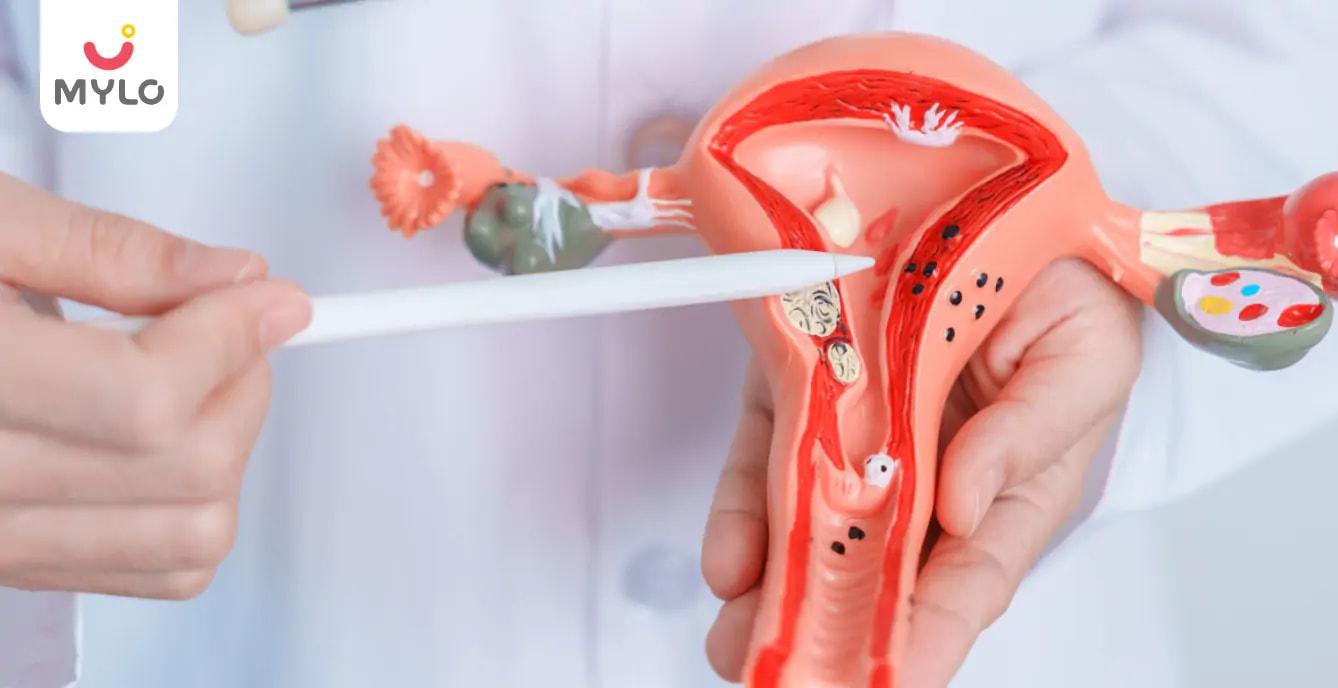
Endometrial polyps, also known as uterine polyps, are growths that occur in the inner lining of the uterus. They develop when there is an overgrowth of cells in the endometrium. They can vary in size and shape, and while many women may have them without experiencing any symptoms, in some cases, they can cause issues with fertility and pregnancy.
The exact cause of endometrial polyps is unknown, but they are associated with hormonal imbalances, particularly an excess of estrogen. Women who are obese or taking hormone replacement therapy may also be at a higher risk of developing endometrial polyps.
Endometrial Polyp Symptoms and Their Effect on Fertility
While many women with endometrial polyps may not experience any symptoms, some may notice the following symptoms:
- abnormal uterine bleeding
- heavy or prolonged periods
- bleeding between periods
- irregular menstrual cycles
- pain
The effect of endometrial polyps on fertility can vary depending on the size and location of the polyps. In some cases, they may not have any impact on fertility at all. However, if a polyp is large or located in a way that interferes with implantation, it can make it more difficult to conceive.
Endometrial Polyp Size Chart
The size of endometrial polyps can vary widely, from a few millimeters to several centimeters. While there is no definitive size chart that determines whether an endometrial polyp will affect fertility or pregnancy, larger polyps are generally more likely to cause issues.
When it comes to endometrial polyp and chances of pregnancy, polyps that are larger than 1 cm in diameter have been associated with a higher risk of infertility and miscarriage. This is because larger polyps can interfere with the implantation of a fertilized egg, as well as the development of a healthy placenta.
Endometrial Polyp Ultrasound
An ultrasound is typically the first step in diagnosing endometrial polyps. This noninvasive procedure uses high-frequency sound waves to create images of the uterus and detect any abnormalities, including polyps.
If an endometrial polyp is detected during an ultrasound, further testing may be needed to determine its size and location. This can include a hysteroscopy, which involves inserting a thin, flexible tube with a camera into the uterus to view the polyp directly.
In terms of implications for pregnancy, an endometrial polyp ultrasound can help identify any potential obstacles to conception and pregnancy. By detecting the presence and size of polyps, doctors can determine the best course of action for treatment and optimize the chances of a successful pregnancy.
You may also like: Female Fertility and Fertility Treatments: A Comprehensive Guide
What are the Treatment Options for Endometrial Polyps?
The endometrial polyp treatment typically involves their removal. There are several different methods for removing polyps, including hysteroscopy with polypectomy, dilation and curettage (D&C), or hormonal therapy.
The impact of treatment on fertility can depend on the method used and the individual woman's circumstances. In general, hysteroscopy with polypectomy is the preferred method for removing endometrial polyps, as it is minimally invasive and does not involve hormonal therapy. D&C may be necessary if there is a risk of cancer.
Endometrial Polyp and Pregnancy: How to Increase Your Chances of Conception
There are several steps women with endometrial polyps can take to increase their chances of conceiving.
1. Surgical treatment
One of the most important is to work closely with a healthcare provider to determine the best course of treatment. This may involve removing the polyps through hysteroscopy or D&C.
2. Tracking ovulation
Another important step is to track ovulation and time intercourse during the most fertile days of the menstrual cycle. This can be done using at-home ovulation kits or by working with a healthcare provider to track ovulation through ultrasounds and blood tests.
3. Lifestyle changes
In addition to medical treatment, there are several lifestyle changes that can support fertility in women with endometrial polyps. These can include maintaining a healthy weight, quitting smoking, reducing alcohol intake, and managing stress levels.
4. Dietary changes
Diet can also play a role in supporting fertility. Women with endometrial polyps may want to focus on a diet that is rich in fruits, vegetables, whole grains, and lean protein, while limiting processed foods and sugar.
5. Assisted Reproductive Technology
In some cases, women with endometrial polyps may need to turn to assisted reproductive technologies (ART) to conceive. These can include in vitro fertilization (IVF), intrauterine insemination (IUI), or other methods that involve fertilizing an egg outside of the body and then implanting it in the uterus.
It is important to note that all the methods other than D&C, hysteroscopic removal and hormonal treatment can help in conceiving but they can not dissolve or remove the polyp.
FAQs
1. Can you have a successful pregnancy with an endometrial polyp?
Yes, it is possible to have a successful pregnancy with an endometrial polyp, but it can inhibit the embryo implantation and reduce the chances of conceiving.
2. Does fertility improve after polyp removal?
Yes, removal of uterine polyps can improve fertility in women who are struggling to conceive. It can also improve endometrial polyp symptoms like irregular bleeding and cramping.
Closing Thoughts
Endometrial polyp and pregnancy can be a challenging path, but with the right diagnosis, treatment, and lifestyle changes, women can increase their chances of conceiving and carrying a healthy pregnancy. By working closely with a healthcare provider and exploring all available options, women with endometrial polyps can find hope for a successful pregnancy.
References
-
Al Chami A, Saridogan E. (2017). Endometrial Polyps and Subfertility. J Obstet Gynaecol India.
-
Mansour T, Chowdhury YS. Endometrial Polyp. (2022). In: StatPearls [Internet]. Treasure Island (FL): StatPearls Publishing
 Yes
Yes
 No
No
Your parenting partner
in your pocket.
supportive community.

Your parenting partner
in your pocket.
supportive community.


Article Posted Under
Dr. Shruti Tanwar is well qualified and competent Obstetrician and Gynecologist with more than 4 years of experience. She is well updated and has worked and gained experience from the most prime institute of Delhi-Safdarjung Hospital. She has innate ability to listen and understand your problem and give detailed personalized advice and evidence-based treatment. She specializes in treatment for high-risk pregnancy, vaginal discharge, endometriosis, fibroids, ovarian cysts etc.
Related Articles
The Floor Toddlers Live on and Why Keeping It Clean and Safe Matters
5·4 min Home Hygiene and the Importance of Clean Floors During Pregnancy
6·4 min Are Lactation Supplements Safe and How to Choose the Right One?
7 min How Should You Take lactomama Lactation Granules And What is The Best Time of Day to Take Them for Better Results?
7 min
Related Videos

PCOS PCOD - By Dr. Mukesh Gupta
How Does PCOD Affect Fertility? Dr. Rashmi Chaudhary

You should consult a good Gynecologist
Can Pregnancy in PCOS women be a High Risk Pregnancy? - Dr. Archana Kankal
Your first 3 steps to getting pregnant naturally
Questions about this article
- Asked when 38 weeks pregnant
Hello frnds..still no pain...doctor said head fix nhi hua hai..bt vagina me pain hai aur back pain bhi... anyone having same issues??
- Asked when 23 weeks pregnant
Kon kon c chije aisi hai jo pregnancy mei gas acidity jalan karti hain... Koi btayega plz bcz mujhe aksar khane ke baad hi samagh aata hai ki is chij se gas acidity jalan ho gyi hai. Please share your knowledge
- 14 weeks pregnant
I am 13 week pregnancy. Anyone having Storione-xt tablet. It better to have morning or night ???
- Asked when 10 weeks pregnant
Hlo to be moms....i hv a query...in my 9.5 wk i feel body joint pain like in ankle, knee, wrist, shoulder, toes....pain intensity is high...i cnt sleep....what should i do pls help....cn i cosult my doc.
- Asked when 33 weeks pregnant
Influenza and boostrix injection kisiko laga hai kya 8 month pregnancy me and q lagta hai ye plz reply me
Recently Published Articles
Your body needs extra nutrition this trimester - these can help.
How to Stop Heavy Bleeding During Periods: Home Remedies (Part 2)

How Many Times Should You Have Sex to Get Pregnant?

A Guide to Planning the Perfect Godh Bharai for the Mom-to-Be
Your Complete Guide to Spinal Anesthesia: From Preparation to Recovery
Custard Apple During Pregnancy: Benefits & Risks
Medical Disclaimer
This content is for informational purposes only and should not replace professional medical advice. Consult with a physician or other health care professional if you have any concerns or questions about your health. If you rely on the information provided here, you do so solely at your own risk.


AWARDS AND RECOGNITION

Mylo wins Forbes D2C Disruptor award

Mylo wins The Economic Times Promising Brands 2022
AS SEEN IN












- Mylo Care: Effective and science-backed personal care and wellness solutions for a joyful you.
- Mylo Baby: Science-backed, gentle and effective personal care & hygiene range for your little one.
- Mylo Community: Trusted and empathetic community of 10mn+ parents and experts.


Product Categories
Baby Carrier | Baby Soap | Baby Wipes | Stretch Marks Cream | Baby Cream | Baby Shampoo | Baby Massage Oil | Baby Hair Oil | Stretch Marks Oil | Baby Body Wash | Baby Powder | Baby Lotion | Diaper Rash Cream | Newborn Diapers | Teether | Baby Kajal | Baby Diapers Pants | Cloth Diapers | Laundry Detergent | Lactation Granules |