


Orders
.png&w=48&q=75 "login")
Profile


Wallet

Endometrial Hyperplasia: The Ultimate Guide to Understanding Its Causes and Treatment


MBBS, MS (OBS & Gynae) · 4 years experience
 6 min
6 minRitu had been experiencing irregular menstrual cycles and occasional bouts of heavy bleeding for some time. At first, she brushed it off as just one of those pesky hormonal imbalances but as the symptoms persisted, she knew she must visit a doctor. Dr. Niharika uttered two words that sent shivers down her spine: "Endometrial Hyperplasia."
At that moment, her world seemed to stand still as she grappled with the unfamiliar term. What on earth was Endometrial Hyperplasia, and how would it affect my life? And thus, began her journey exploring the causes, types, complications of this condition and more importantly, endometrial hyperplasia treatment. So, let’s join Ritu and Dr. Niharika and understand in detail about this condition.
What is Endometrial Hyperplasia?
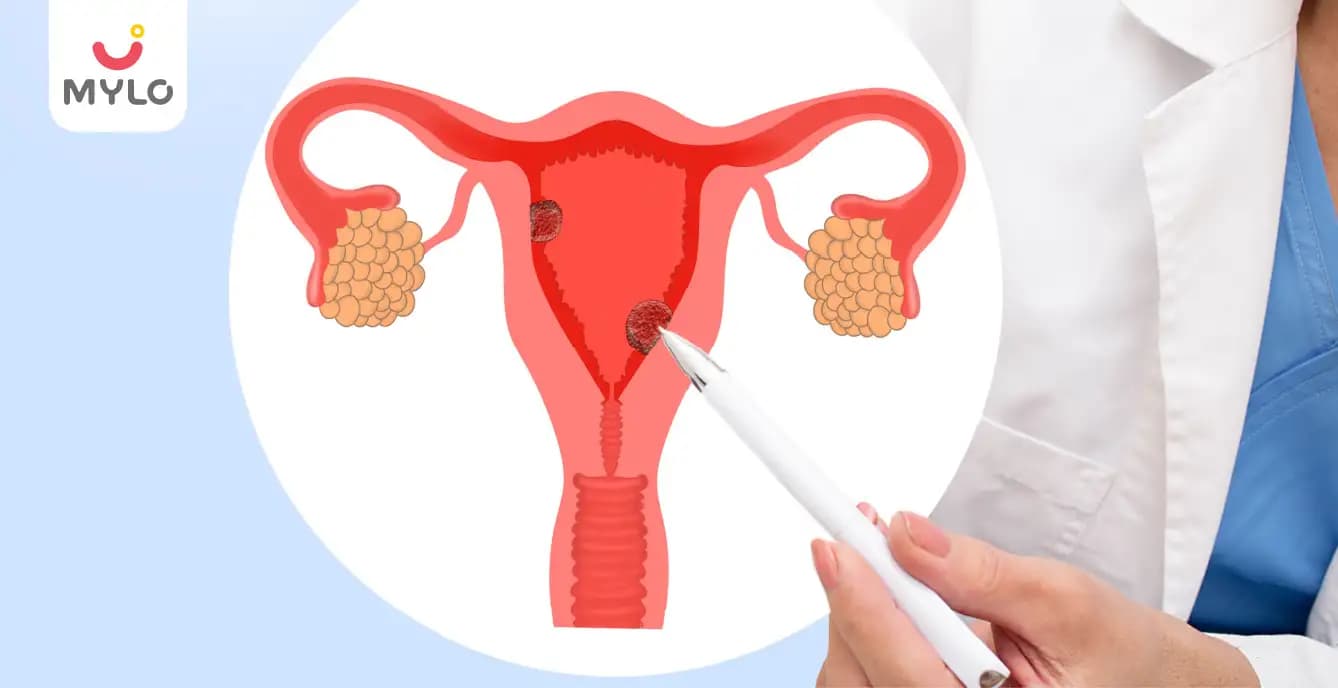
Endometrial hyperplasia is a condition where the lining of your uterus thickens, leading to heavy or irregular bleeding. This condition often manifests during or after menopause and is often attributed to unopposed estrogen exposure, leading to an imbalance in hormone levels. As a result, the endometrium undergoes increased cell growth, potentially leading to complications if left untreated.
What are the Types of Endometrial Hyperplasia?
According to the previous World Health Organization (WHO) classification in 1994, endometrial hyperplasia can be categorized as follows:
"Simple hyperplasia"
1. Without atypia (66%)
Characterized by an increased number of glands, but the glandular architecture remains regular. This type is also called cystic endometrial hyperplasia.
2. With atypia (2%)
Atypical endometrial hyperplasia involves crowded and irregular glands with abnormal cellular features.
"Complex hyperplasia"
1. Without atypia (11%)
This type of hyperplasia is similar to simple hyperplasia, it has normal-looking cells that are unlikely to become cancerous. .
2. With atypia (14%)
Exhibits complex hyperplasia with cytologic atypia, representing a more advanced stage of the condition.
In simple endometrial hyperplasia (EH), there is a uniform thickening of both gland cells and stroma in the uterine lining, but the gland cells do not show excessive prominence and maintain rounded shapes, unlike those observed in a normal uterine cycle.
In contrast, complex endometrial hyperplasia involves a higher proliferation of gland cells with less involvement of stroma, resulting in the crowding of glands. The glands exhibit varying shapes and sizes, displaying marked and irregular branching and formation of buds.
You may also like : Bulky Uterus: What You Need to Know About this Common Gynecological Issue
What are the Causes of Endometrial Hyperplasia?
The causes of endometrial hyperplasia are often related to hormonal imbalances, particularly an excess of estrogen in relation to progesterone. Some common factors contributing to the development of endometrial hyperplasia include:
-
Medicine named Tamoxifen
-
Family history
It's important to note that the causes can be multifactorial, and individual cases may have unique contributing factors.
What are Some Common Endometrial Hyperplasia Symptoms?
Common symptoms of endometrial hyperplasia may include:
-
Abnormal uterine bleeding
-
Pelvic pain or discomfort
-
Changes in menstrual patterns
-
Anemia
Endometrial Hyperplasia Treatment
The treatment for endometrial hyperplasia depends on several factors, including the type of hyperplasia, the severity of symptoms, and whether there are atypical (abnormal) cells present. The main approaches to treatment are:
1. Progestin therapy
This is often the first-line treatment for simple and complex hyperplasia without atypia. Progestin helps balance the estrogen-progesterone levels and reduces the excessive growth of the endometrial lining.
2. Hysterectomy
In cases of atypical hyperplasia or when other treatments are not effective or suitable, a hysterectomy (removal of the uterus) may be recommended to eliminate the risk of cancer.
3. Dilation and curettage (D&C)
D&C may be performed to remove the abnormal endometrial tissue for diagnostic and therapeutic purposes.
4. Hormone therapy
In certain cases, hormone therapy with combined estrogen and progestin may be prescribed to manage symptoms and prevent further hyperplasia.
5. Follow-up and surveillance
Regular follow-up visits and monitoring are essential to assess the response to treatment and ensure there are no signs of progression or recurrence.
The choice of treatment is individualized, and the decision is made in consultation with a healthcare professional based on the patient's age, desire for fertility, severity of hyperplasia, and overall health status.
You mays also like : Uterine Artery Embolization: A Non-Invasive Solution for Fibroids
FAQs
1. What is the most common age to get endometrial hyperplasia?
The most common age range for developing endometrial hyperplasia is between 40 and 60 years old. This is because hormonal changes, particularly perimenopause and menopause, can lead to an imbalance in estrogen and progesterone levels, increasing the risk of endometrial hyperplasia.
2. Is endometrial hyperplasia serious?
Endometrial hyperplasia can be a serious condition, particularly if left untreated or if it progresses to atypical hyperplasia. While simple hyperplasia without atypia has a lower risk of developing into cancer, atypical hyperplasia carries a higher likelihood of becoming endometrial cancer.
3. How can I reduce endometrial thickness naturally?
Reducing endometrial thickness naturally can be challenging, as it is often related to hormonal imbalances. However, maintaining a healthy lifestyle with regular exercise, a balanced diet, and stress management can promote hormonal balance and overall well-being.
Final Thoughts
In conclusion, endometrial hyperplasia is a condition characterized by the excessive growth and thickening of the endometrial lining in the uterus. It is often linked to hormonal imbalances, particularly an excess of estrogen in relation to progesterone. While simple hyperplasia without atypia carries a lower risk, atypical hyperplasia has a higher likelihood of progressing to endometrial cancer. Early detection of endometrial hyperplasia symptoms and appropriate treatment are essential in managing the condition and preventing potential complications.
References
1. Montgomery, B. E., Daum, G. S., & Dunton, C. J. (2004). Endometrial Hyperplasia: A Review. Obstetrical & Gynecological Survey
2. Singh, G., & Puckett, Y. (2020). Endometrial Hyperplasia. PubMed; StatPearls Publishing.
Article Posted Under
Related Articles
How to Swaddle a Baby: A Step-by-Step Guide With Safety Tips
 8 min
8 min What Is Fundal Height? Meaning, Normal Range by Week and Why It Matters
 7 min
7 min Diet for a Breastfeeding Mother: Protein, Milk Supply, and What Indian Moms Actually Need
17 min ഗർഭകാലത്ത് നിങ്ങൾക്ക് എത്ര പ്രോട്ടീൻ ആവശ്യമാണ്?|(How Much Protein Do You Need During Pregnancy In Malayalam)
 8 min
8 min
Medical Disclaimer
This content is for informational purposes only and should not replace professional medical advice. Consult with a physician or other health care professional if you have any concerns or questions about your health. If you rely on the information provided here, you do so solely at your own risk.


AWARDS AND RECOGNITION

Mylo wins Forbes D2C Disruptor award

Mylo wins The Economic Times Promising Brands 2022
AS SEEN IN













- Mylo Care: Effective and science-backed personal care and wellness solutions for a joyful you.
- Mylo Baby: Science-backed, gentle and effective personal care & hygiene range for your little one.
- Mylo Community: Trusted and empathetic community of 10mn+ parents and experts.


Product Categories
Baby Carrier | Baby Soap | Baby Wipes | Stretch Marks Cream | Baby Cream | Baby Shampoo | Baby Massage Oil | Baby Hair Oil | Stretch Marks Oil | Baby Body Wash | Baby Powder | Baby Lotion | Diaper Rash Cream | Newborn Diapers | Teether | Baby Kajal | Baby Diapers Pants | Cloth Diapers | Laundry Detergent | Lactation Granules |