


Orders

Profile

Difference between viral infection and bacterial infection and what to do if your kid catches one
 22 Likes|
 9 min
9 minViral infections are caused by viruses, unlike bacterial infections that are caused by bacteria.
There are many different kinds of viruses that can cause a host of infections ranging from mild to severe to life-threatening.
The most common viral is the flu or influenza. But there many other viral infections. Read on to know more about viral infections.
What is a viral infection?
Viral infections are caused by viruses that are very small germs. There are thousands of different viruses that can cause a wide range of infectious diseases and health conditions.
Viruses attack the healthy cells in your body. They use the healthy, living host cell to replicate and multiply. Due to this, the infected host cell cannot perform its usual function. Some viruses kill the host cell, while some alter the way a host cell works. The virus then moves on to other cells, infecting or destroying them the same way. This is what causes you to fall sick.
A healthy immune system can fight off most viral infections, but some viruses can cause serious problems. Viruses can affect specific organs or affect the various body systems. Some of the most common viral infections include:
- respiratory infections
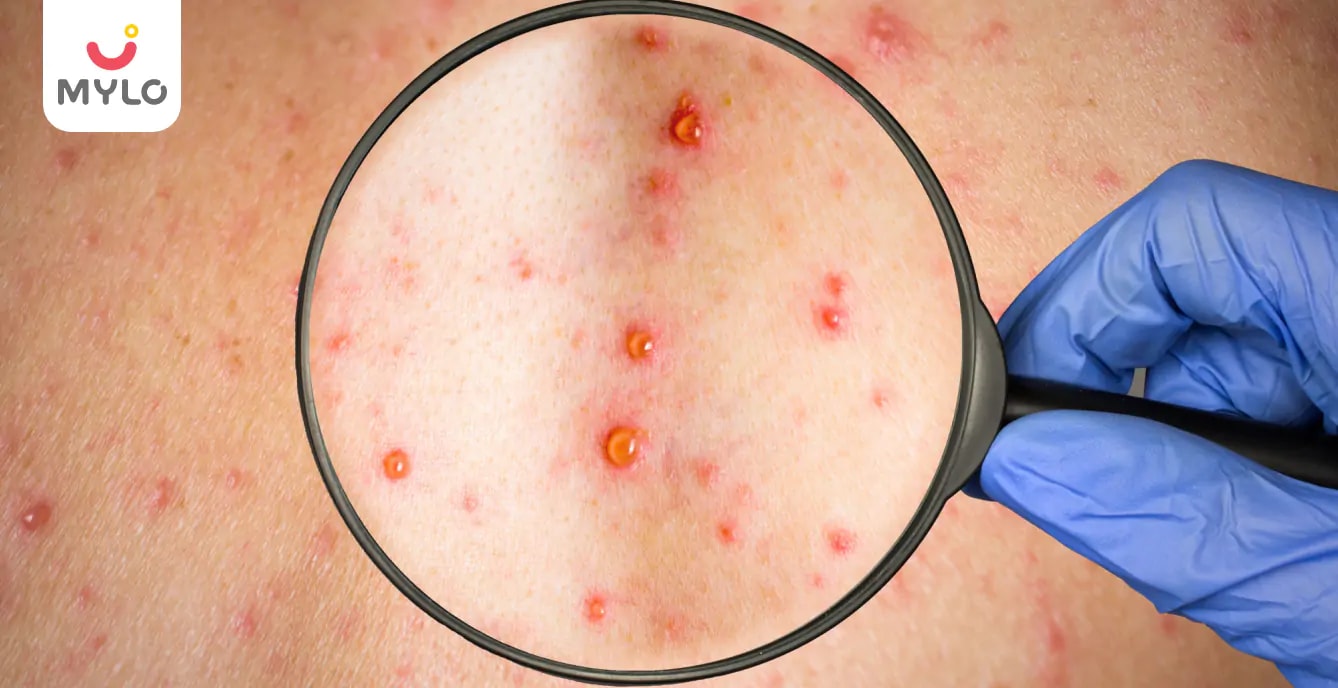
- skin infections
- infections that affect the gastrointestinal tract, circulatory system or the nervous system
- foodborne infections
- sexually transmitted infections
How does a virus spread?
Viruses spread in many different ways, depending on the type of virus. They may be transmitted by:
- contact or touch
- swallowing
- inhaling droplets
- body fluids and sexually transmitted infection
- transfusion of contaminated blood
- contaminated surfaces, food and water
- through blood-feeding vectors such as mosquitoes, ticks and fleas
- through zoonotic disease – where a disease that normally affects animals gets transmitted to humans
How will I know if my child has a viral infection?
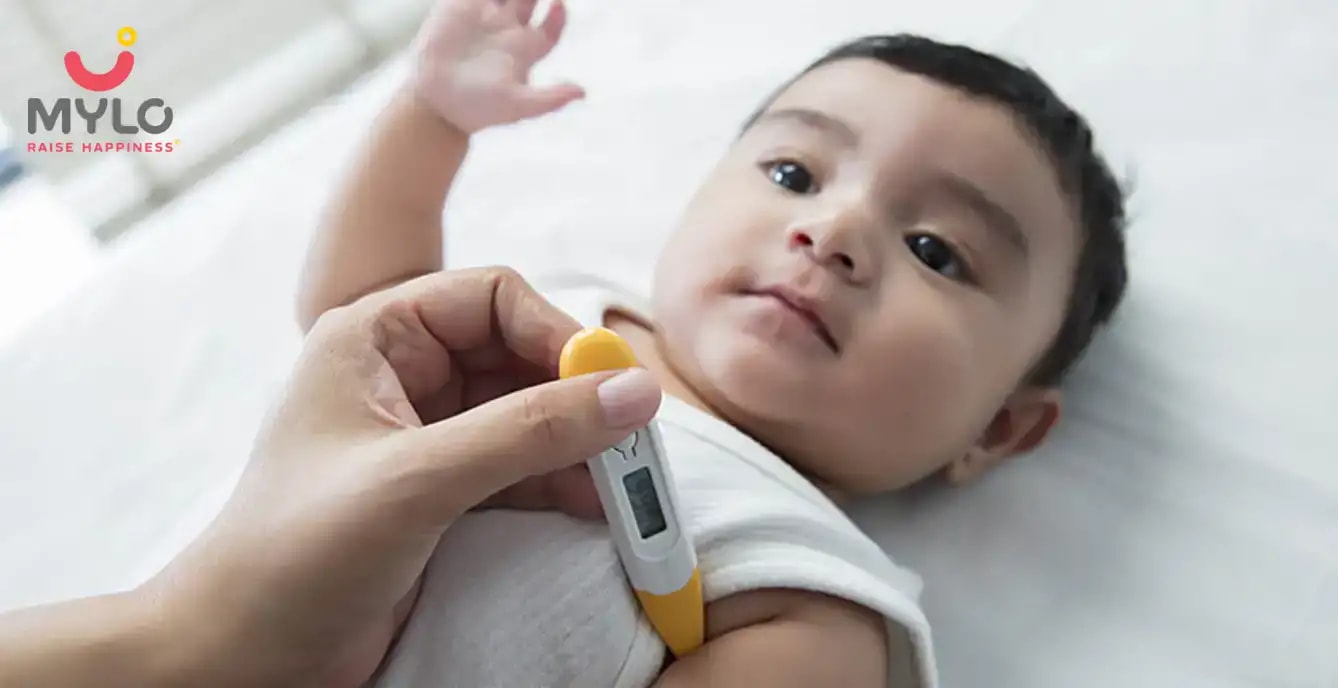
Since there are many different kinds of viral infections, the symptoms will probably vary depending on which virus your baby catches. Usually, the first signs of a viral infection are:
- fever
- chills
- cough
- sore throat
- cold
- runny or congested nose
- headaches
- fatigue
- vomiting
- poor appetite
- diarrhoea
- tummy pain
- a rash
- being more cranky and fussy
- disturbed sleep
Your baby is likely to suffer from quite a few sniffles, rashes and tummy upsets in the initial years while her immune system is still maturing.
It can also be hard to know what's serious and what's not, because your baby can't tell you how she's feeling.
So always consult your doctor if you notice any of these symptoms to rule out any other infection or illness.
Always trust your instincts. If your instinct tells you that your baby is unwell no matter how old she is, you're probably right. If your baby has any other symptom that worries you, play it safe and make the call.
How is a viral infection treated?
Many viral infections resolve on their own, so no treatment is necessary.
Antibiotics don’t help in viral infections. Medicines are only given to relieve the symptoms of fever, body ache, cold or cough while your baby's immune system fights off the virus. These symptomatic treatments can help your baby feel better.
You will have to wait for the virus to take its course for your baby to feel better, which can be anywhere from three days to a week. During this time, she'll benefit from plenty of rest and fluids.
In most cases, antivirals are not given. Only children who get admitted to hospital, are treated with antivirals. This is usually if they have a medical condition, like heart disease or if they were born prematurely, or if they have any malignancies.
However, antibiotics may be necessary, if your child a secondary or bacterial infection as a result of the viral infection.
Follow the instructions to the letter for giving your child her antibiotic medication. If you stop giving the antibiotic too soon, the bacteria can re-emerge quickly in a more severe form.
In some cases, if your baby develops an aggressive infection, whether viral or bacterial, she may need to get admitted to the hospital for treatment.
When is a viral infection in babies serious?
A viral infection is usually not serious, and can take between three days to seven days to clear. Get your baby to the doctor straight away if you notice any of these danger signs:
- persistent coughing that doesn’t seem to get better even after a week
- diarrhoea that continues despite medication
- blood in stools
- fever that continues for a week or more
- fits or seizures
- refusing to eat or drink anything
- continued vomiting
- breathing difficulties
- unusual sleepiness or drowsiness
- an ashen or bluish tint to her skin, lips, and fingernails.
- signs of dehydration like reduced urine output, dry mucous membranes, sunken fontanelle and dry skin.
How can I help my baby feel better when she's down with a viral?
Offer plenty of fluids
Your child will be losing a lot of fluid through the fever, diarrhoea and vomiting. If you're still breastfeeding, let your baby breastfeed as often as she wishes. For babies on formula feeds and on solid foods, water is the best drink.
Older babies on solids can have coconut water, lemonade (nimbu pani), lassi and buttermilk (chhaach). It's best not to give fruit juice to your child until she is at least two years old. Juice is not as healthy for your child as feeding her the fresh fruit itself.
If necessary, your doctor might prescribe some Oral Rehydration Salts (ORS). This solution will give your little one all the nutrients she has lost. You can give it to your baby even if she's just breastfeeding.
Give nutritious food
Breastmilk or formula provides all the nutrition your baby needs if she's under six months.
If your child is older than six months or on solids, offer her soft, easy to digest foods. Soups, lentils (dals), khichdi and porridge, make great choices.
Fruits and vegetables are an important food group and provide vital minerals and vitamins the body needs. So, give your baby plenty of these but as purées or finger foods rather than as juice.
Read more on what to feed a sick child.
Let her rest
Let your child rest in a quiet room. This will help her fight the illness and get stronger. If you can, keep her in a separate room while she recovers. This will also prevent her from spreading the germs to other family members and children in the house.
Lower the fever
If your child has a high fever, you can sponge her body with some lukewarm water. This will refresh her and help bring down her temperature. Read about some non-medical ways to reduce fever.
How can I protect my child from getting a viral infection?
Viral infections are most common during seasonal changes, so be extra careful during those times of the year. You can also minimise your baby's exposure to germs and boost her defences by:
- Making sure her vaccinations are up to date.
- Following good hand hygiene. This is the best way to stop germs from spreading.
- Sterilising your baby's feeding equipment properly.
- Taking care of food and water safety.
- Staying away from sick people, enclosed, crowded spaces, especially during an active disease outbreak.
- Not sharing toys, dishes, bed linen or towels with anyone who is sick.
- Using a tissue while coughing or sneezing. Be sure to throw the tissue in a covered bin straight away, and then wash your hands. This will help to contain germs.
- Disinfecting surfaces that are touched and used frequently.
- Avoiding secondhand smoke and pollutants.
- Keeping your home safe, clean and well ventilated.
How are viral infections different from bacterial infections?
Both viral and bacterial infections can make you sick. They often have similar symptoms such as fever, chills, body ache and malaise, but some of the main differences are:
Viral infection
- A viral infection is caused by a virus.
- A virus needs a host cell to reproduce and multiply.
- Antibiotics aren't necessary because they have no effect on viruses.
- A viral is usually quite a common infection and subsides within a week.
Bacterial infection
- Bacterial infections are caused by bacteria.
- Bacteria can reproduce on their own and don’t need a host cell.
- There are good and bad bacteria. Good bacteria, for example, the gut bacteria, help in digestion. Only a few harmful bacteria cause serious illnesses.
- Antibiotics are usually required to treat bacterial illnesses. The antibiotic kills the specific bacterium that caused the disease.
- The treatment could be for a few days or for several weeks, depending on the type of infection and how your body is responding to it.
Sometimes a secondary infection may follow a viral. This may be due to a bacterial infection. If this happens, your doctor is likely to prescribe antibiotics.
In some cases, diagnosing a bacterial or viral infection may not be straightforward. Some illnesses such as diarrhoea, meningitis or pneumonia can be caused by either viruses or bacteria.
Depending on the infection, your doctor will advise urine, blood or stool tests or "culture" tests to identify the infection. In some cases, a swab from your nose or throat may also be taken.
Both viral and bacterial infections can lead to serious illness if left untreated, so you should speak to your doctor at the earliest.
 Yes
Yes
 No
No
Your parenting partner
in your pocket.
supportive community.

Your parenting partner
in your pocket.
supportive community.


Article Posted Under
Helpful Tools & Calculators

.webp&w=32&q=75)











An expert in content marketing, Shaveta is an alumnus of IIT, Bombay, she knows what the audience is looking for. Mother of a 6 year old, she has been instrumental in planning the content strategy at Mylo.
Related Articles

Related Videos
எப்படி குழந்தைகளின் சளியை உடனடியாக குணப்படுத்துவது ? How to Cure Baby Cold and Cough by Home Remedy

How do I treat my baby of cold or rhinitis? - Dr. Jyothi Raghuram
Vaccinations for children : Good or bad? - Dr.Abhay Balwantrao Mahindre
How to boost immunity in an infant? - Dr. Sanjay Panicker
Pcv
Questions about this article
- Asked when 33 weeks pregnant
Influenza and boostrix injection kisiko laga hai kya 8 month pregnancy me and q lagta hai ye plz reply me
- Asked when 7 weeks pregnant
Hai.... My last period was in feb 24. I tested in 40 th day morning 3:30 .. That is faint line .. I conculed mylo thz app also.... And I asked tha dr wait for 3 to 5 days ... Im also waiting ... Then I test today 4:15 test is sooooo faint ... And I feel in ma body no pregnancy symptoms. What can I do .
- 26 weeks pregnant
Baby kicks KB Marta hai Plz tell mi
- trying to conceive
PCOD kya hota hai
- Asked when trying to conceive
How to detect pcos
Related Topics
.webp&w=32&q=75)
Recently Published Articles
Your body needs extra nutrition this trimester - these can help.

Top travel tips you must consider for experiencing an unforgettable Babymoon

Pregnant ladies and new moms: what to eat and what not to eat while fasting in Navratras
Caring for a baby with Down syndrome

Wondering how long should you be tracking your baby's feed? We will help you

Co-Parenting? Here’s What You Should Be Doing
Medical Disclaimer
This content is for informational purposes only and should not replace professional medical advice. Consult with a physician or other health care professional if you have any concerns or questions about your health. If you rely on the information provided here, you do so solely at your own risk.


AWARDS AND RECOGNITION

Mylo wins Forbes D2C Disruptor award

Mylo wins The Economic Times Promising Brands 2022
AS SEEN IN












- Mylo Care: Effective and science-backed personal care and wellness solutions for a joyful you.
- Mylo Baby: Science-backed, gentle and effective personal care & hygiene range for your little one.
- Mylo Community: Trusted and empathetic community of 10mn+ parents and experts.


Product Categories
Baby Carrier | Baby Soap | Baby Wipes | Stretch Marks Cream | Baby Cream | Baby Shampoo | Baby Massage Oil | Baby Hair Oil | Stretch Marks Oil | Baby Body Wash | Baby Powder | Baby Lotion | Diaper Rash Cream | Newborn Diapers | Teether | Baby Kajal | Baby Diapers Pants | Cloth Diapers | Laundry Detergent | Lactation Granules |