


Orders
.png&w=48&q=75 "login")
Profile


Wallet

CMPA (Cow's Milk Protein Allergy): Identifying Symptoms and Understanding Treatment
 3 Likes|
 8 min
8 minNeha: I have been stressed out lately as Myra has developed a condition called CMPA (Cow's Milk Protein Allergy.
Ruchi: Aww. I am sorry to hear about it; what is it exactly?
Neha: It is an allergic reaction to a protein present in cow's milk.
Ruchi: It must be tough for you guys.
Neha: Yes, initially, when I didn't know about it, I got anxious, but now, with correct knowledge and guidance from the pediatrician, I am a little relaxed and exploring alternatives like unique formulas and avoiding cow's milk and dairy products.
Ruchi: Neha, you must spread the word and help others in similar situations.
Neha: Yes, I will.
After conducting thorough research and from inputs from the doctors, Neha has compiled an article to help those dealing with Cows Milk Protein Allergy. The article covers all the crucial aspects like CMPA symptoms, CMPA treatment, and others.
What is Cow's Milk Protein Allergy?
Cow's Milk Protein Allergy (CMPA) is a common allergic reaction when the immune system mistakenly identifies the proteins found in cow's milk as harmful substances. This allergic response can affect both infants and older children. CMPA differs from lactose intolerance, which is the inability to digest lactose, a sugar in milk.
When someone with CMPA consumes cow's milk or products containing cow's milk proteins, the immune system reacts by releasing histamine and other chemicals. CMPA can be challenging to diagnose because its symptoms overlap with other conditions.
How to Identify CMPA Symptoms in Babies?
Identifying CMPA symptoms in babies can be challenging as they vary in severity and may overlap with other conditions. However, here are some common signs that may indicate the presence of CMPA:
Gastrointestinal Symptoms
-
Vomiting or spitting up frequently after feeding.
-
Persistent or excessive crying and irritability, especially during or after feeding.
-
Diarrhea or loose stools, sometimes with blood or mucus.
-
Constipation or difficulty passing stools.
Skin Reactions
-
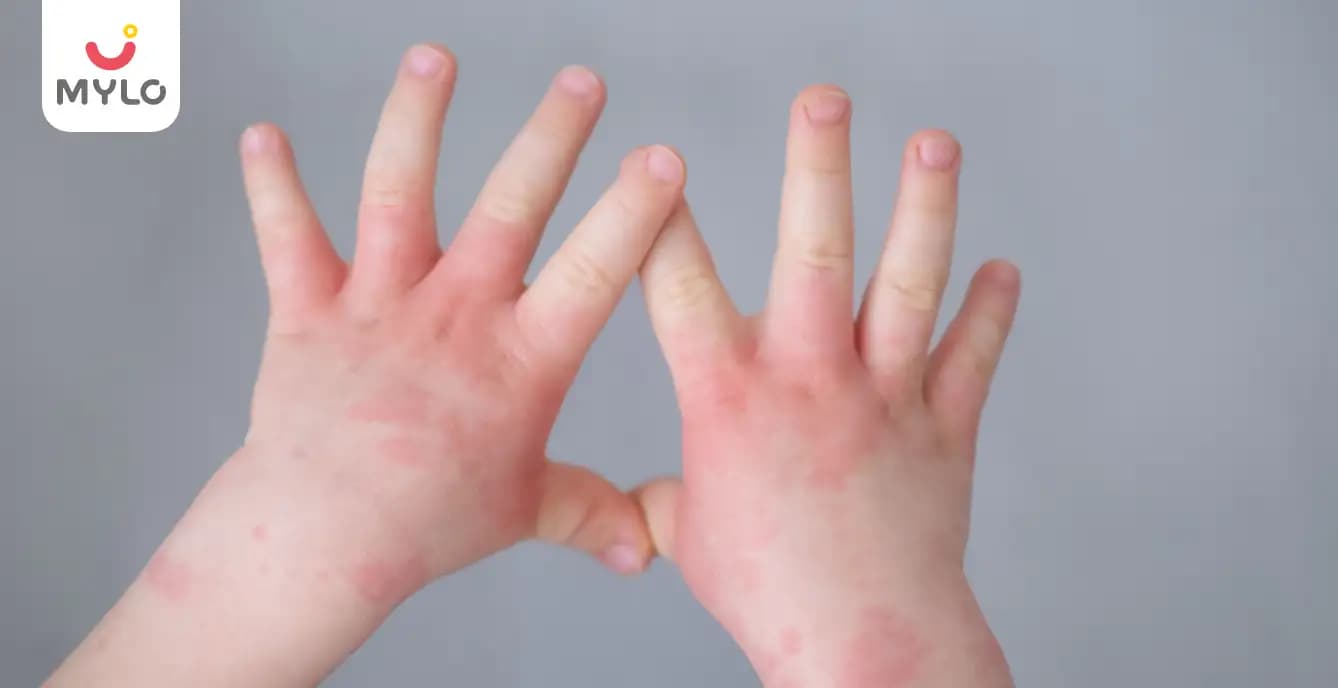
Eczema (red, dry, itchy patches of skin)
-
Hives (raised, itchy, and reddish bumps on the skin)
-
Swelling of the face, lips, tongue, or around the eyes
Respiratory Symptoms
-
Wheezing or persistent coughing
-
Runny nose or nasal congestion
-
Shortness of breath or difficulty breathing
-
Poor weight gain or failure to thrive
-
Fatigue or excessive sleepiness
-
Irritability or fussiness is unrelated to other causes
It's important to note that other factors or conditions can also cause these symptoms. It's recommended to consult a healthcare professional, such as a pediatrician or allergist, who can evaluate your baby's symptoms and medical history and conduct any necessary tests for an accurate diagnosis.
CMPA vs. Lactose Intolerance
Cows Milk Allergy and lactose intolerance are two distinct conditions related to milk consumption, but they have different underlying causes and symptoms. Here are the critical differences between CMPA and lactose intolerance:
Cause
-
CMPA is an immune-mediated reaction to the proteins found in cow's milk, such as casein and whey.
-
Lactose Intolerance occurs due to insufficient production of lactase, the enzyme responsible for breaking down lactose (a sugar found in milk).
Symptoms
-
In CMPA Allergic reactions can involve various systems of the body, including the skin (rashes, hives), gastrointestinal system (vomiting, diarrhea, colic), and respiratory system (wheezing, coughing). Symptoms may appear immediately or within hours after consuming cow's milk proteins.
-
Symptoms primarily affect the gastrointestinal system, causing bloating, gas, abdominal pain, diarrhea, and sometimes nausea in lactose intolerance. These symptoms typically occur within a few hours after consuming lactose-containing foods.
Diagnosis
-
Diagnosis may involve a combination of medical history assessment, physical examination, elimination diet, and specific allergy tests (skin prick test, blood tests) in CMPA
-
Diagnosis is usually based on medical history and symptoms and is sometimes confirmed through a lactose intolerance test, such as a lactose breath test or stool acidity test.
Treatment
-
The primary treatment for CMPA is avoiding cow's milk and products containing cow's milk proteins. Specialized formulas or breastfeeding modifications may be recommended under the guidance of a healthcare professional.
-
Dietary management involves reducing or avoiding lactose-containing foods and may include lactase supplements or lactose-free alternatives such as lactose-free formula or dairy substitutes.
What Causes CMPA in Babies?
Here are some possible causes and contributing factors:
1. Immature Immune System
In infants, the immune system is still developing and may be more prone to overreacting to specific proteins, triggering an allergic response.
2. Family History
A family history of allergies, including food or allergic conditions like eczema, asthma, or hay fever, may increase the likelihood of developing CMPA.
3. Early Introduction to Cow's Milk
Some studies suggest introducing cow's milk or cow's milk-based formulas too early (before 12 months of age) may increase the risk of developing CMPA.
4. Gut Permeability
The integrity of the intestinal barrier plays a role in the development of CMPA. Disruptions in the gut barrier function can allow larger protein molecules to enter the bloodstream, triggering an immune response.
How is Cow's Milk Allergy Diagnosed?
Diagnosing Cow's Milk Protein Allergy involves a comprehensive evaluation by a healthcare professional, usually a pediatrician or allergist. Here are the common approaches used to diagnose CMPA:
1. Medical History and Symptoms Assessment
The doctor will review the baby's medical history, including any symptoms or reactions observed after consuming cow's milk or cow's milk-based products.
2. Physical Examination
A physical examination may assess the baby's overall health and look for any physical signs or symptoms associated with CMPA, such as skin rashes or gastrointestinal distress.
3. Elimination Diet
In some cases, the doctor may recommend an elimination diet, where cow's milk and dairy products are completely removed from the baby's diet for some time, typically two to four weeks. If symptoms improve during this elimination period, it may indicate a possible CMPA.
4. Food Diary
Keeping a detailed record of the baby's diet and symptoms can help identify patterns or correlations between specific foods, including cow's milk, and symptom flare-ups.
5. Allergy Tests like skin Prick Test
This involves placing small amounts of cow's milk protein extract on the skin and pricking or scratching the skin to see if an allergic reaction occurs, such as redness or swelling.
6. Blood Tests
Specific blood tests, such as measuring cow's milk-specific IgE antibodies or other allergy-related markers, may be performed to assess the immune response to cow's milk proteins.
You may also like : Formula Milk vs Cow Milk: Pros and Cons for Your Baby's Growth
CMPA Treatment: How to Manage CMPA in Babies?
Cow's Milk Protein Allergy treatment in babies involves altogether avoiding cow's milk and cow's milk-based products. Here are some key strategies to help manage CMPA:
1. Elimination Diet
The primary treatment for CMPA is removing all sources of cow's milk proteins from the baby's diet.
2. Breastfeeding Modifications
If the baby is breastfeeding, the mother may need to eliminate cow's milk and dairy from her diet as cow's milk proteins can pass through breast milk.
3. Hypoallergenic Formula
Hypoallergenic formulas are available as alternatives to standard cow's milk-based formulas for formula-fed babies.
4. Nutritional Support
It's essential to ensure the baby receives adequate nutrition while avoiding cow's milk proteins. Working with a healthcare professional or registered dietitian can help create an appropriate meal plan that meets the baby's nutritional needs.
You may also like: Painful Nipples During Breastfeeding: A Step-by-Step Approach for Managing Discomfort
How to Manage CMPA and Breastfeeding?
CMPA treatment while breastfeeding involves modifying the mother's diet to eliminate cow's milk proteins. Here are some strategies to help manage cows milk allergy while breastfeeding:
-
Complete elimination of cow's milk and dairy
-
Seek nutritional guidance
-
Calcium and vitamin D supplementation
-
Breast milk monitoring
-
Allergy management plan
-
Reintroduction of cow's milk
Remember, every breastfeeding journey is unique, and managing CMPA requires individualized guidance.
Final Thoughts
In conclusion, managing Cow's Milk Protein Allergy requires careful attention to the mother's diet and nutritional needs. Complete elimination of cow's milk and dairy products, along with guidance from healthcare professionals, is essential in providing adequate nutrition for the mother and the baby. Monitoring the baby's symptoms and working with an allergy management plan can help ensure successful breastfeeding while effectively managing CMPA. With the proper support and understanding, coping with CMPA symptoms can still be a nurturing and fulfilling experience for both mother and baby.
References
1. Caffarelli, C., Baldi, F., Bendandi, B., Calzone, L., Marani, M., & Pasquinelli, P. (2010). Cow's milk protein allergy in children: a practical guide. Italian Journal of Pediatrics
2. Edwards, C. W., & Younus, M. A. (2023). Cow Milk Allergy. PubMed; StatPearls Publishing.
Article Posted Under
Related Articles
How to Swaddle a Baby: A Step-by-Step Guide With Safety Tips
 8 min
8 min What Is Fundal Height? Meaning, Normal Range by Week and Why It Matters
 7 min
7 min Diet for a Breastfeeding Mother: Protein, Milk Supply, and What Indian Moms Actually Need
17 min ഗർഭകാലത്ത് നിങ്ങൾക്ക് എത്ര പ്രോട്ടീൻ ആവശ്യമാണ്?|(How Much Protein Do You Need During Pregnancy In Malayalam)
 8 min
8 min
Related Topics
.webp&w=32&q=75)
Medical Disclaimer
This content is for informational purposes only and should not replace professional medical advice. Consult with a physician or other health care professional if you have any concerns or questions about your health. If you rely on the information provided here, you do so solely at your own risk.


AWARDS AND RECOGNITION

Mylo wins Forbes D2C Disruptor award

Mylo wins The Economic Times Promising Brands 2022
AS SEEN IN












- Mylo Care: Effective and science-backed personal care and wellness solutions for a joyful you.
- Mylo Baby: Science-backed, gentle and effective personal care & hygiene range for your little one.
- Mylo Community: Trusted and empathetic community of 10mn+ parents and experts.


Product Categories
Baby Carrier | Baby Soap | Baby Wipes | Stretch Marks Cream | Baby Cream | Baby Shampoo | Baby Massage Oil | Baby Hair Oil | Stretch Marks Oil | Baby Body Wash | Baby Powder | Baby Lotion | Diaper Rash Cream | Newborn Diapers | Teether | Baby Kajal | Baby Diapers Pants | Cloth Diapers | Laundry Detergent | Lactation Granules |