


Orders
.png&w=48&q=75 "login")
Profile


Wallet

Late Ovulation: How Does It Impact Your Fertility and Chances of Pregnancy


MBBS, DGO, DNB · 18 years experience

 460 Likes|
 10 min
AI-Generated Summary
Quick overview in 30 seconds.webp&w=32&q=75)
Summary
- Late ovulation occurs when the egg is released later than the typical day 14, often due to stress, hormonal imbalances, PCOS, illness, medications, or age-related changes.
- Symptoms can include changes in cervical mucus, breast tenderness, abdominal bloating, and mood swings, though many women may not notice obvious signs of delayed ovulation.
- Late ovulation can reduce fertilization opportunities and affect egg quality, but it does not mean infertility; tracking cycles and addressing causes can improve pregnancy chances.
- Looking for natural ways to support regular ovulation? Explore our Organic Aloe Vera (300 ml).
 4.4
4.4A calendar adorned with 'ovulation days' circled in red, a carefully curated menu of fertility-boosting foods, and a hopeful heart that beats in sync with the ticking of the biological clock. Luvjyot had embarked on her conception journey with high hopes but there she was, month after month, staring at a negative pregnancy test. It wasn't until a chance conversation with her friend that she stumbled upon the notion of late ovulation.
Thus, she began scouring the Internet to understand the meaning of ovulating late, symptoms and reasons for late ovulation and most importantly, how it affects the chances of pregnancy. So, let's join Luvjyot as she navigates the rough waters of delayed ovulation.
Can Ovulation Be Delayed?
For most women, ovulation is a monthly recurring process wherein their body releases an egg. In most cases, it occurs around the middle of the cycle, approximately 14 days before the start of the next period. However, for some women, ovulation can be delayed, leading to concerns about fertility and the chances of getting pregnant.
There are several factors that can delay ovulation. Stress, illness, changes in weight, and hormonal imbalances are just a few examples. When these factors come into play, the body's natural rhythm can be disrupted, causing ovulation to occur later than expected. It is important to understand that late ovulation does not necessarily mean infertility, but it can affect the chances of conception.
What is Delayed Ovulation?
Delayed ovulation refers to the situation where ovulation occurs later than the average time in a woman's menstrual cycle. While the average cycle length is considered to be 28 days, it is normal for cycles to vary between 21 and 35 days. Ovulation typically occurs around day 14 for women with a 28-day cycle, but for those with longer or irregular cycles, ovulation may be delayed.
It is important for women to track their menstrual cycles and be aware of any changes or irregularities. This can help identify if ovulation is being delayed and determine the best course of action.
You may also like: Ovulation Disorders and Their Medications
What are the Symptoms of Delayed Ovulation?
Identifying late ovulation can be challenging, as it may not always present obvious symptoms. However, some women may experience certain signs that can indicate a delay in ovulation. These symptoms include:
- changes in cervical mucus
- breast tenderness
- abdominal pain or bloating
- mood swings
It is worth mentioning that these symptoms can vary from woman to woman, and some may not experience any symptoms at all. Therefore, it is crucial to track menstrual cycles and observe any changes over time to get a clearer understanding of ovulation patterns.
What are the Reasons for Late Ovulation?
There are several reasons why ovulation may be delayed. Understanding these reasons can help women identify potential causes and take appropriate action. Here are five common factors that can contribute to delay in ovulation:
1. Hormonal Imbalances
Fluctuations in hormones, such as a high level of estrogen or low levels of luteinizing hormone (LH), can disrupt the ovulation process and lead to a delay.
2. Stress
High levels of stress can affect the hypothalamus, which controls hormone production, and interfere with the regularity of ovulation.
3. Illness or Medications
Certain medical conditions or medications can disrupt the hormonal balance and delay ovulation.
4. Polycystic Ovary Syndrome (PCOS)
PCOS is a common condition that can cause hormonal imbalances and irregular ovulation, leading to a delay in ovulation.
5. Age
As women approach perimenopause or menopause, hormonal changes can cause irregular cycles and delayed ovulation.
By identifying the underlying cause of delay in ovulation, women can work with their healthcare providers to address the issue and improve their chances of getting pregnant.
How Does Late Ovulation Affect Fertility?
Late ovulation can impact fertility in several ways. Firstly, if ovulation is consistently delayed, it can reduce the number of opportunities for fertilization to occur each year. This can decrease the chances of getting pregnant, especially for couples trying to conceive.
Furthermore, it can affect the quality of the egg released. As the egg ages, its quality may decrease, making it more difficult for fertilization to occur. This can lead to a higher risk of chromosomal abnormalities and miscarriage.
It is important to note that while ovulating late can lead to challenges, it does not mean that pregnancy is impossible. Many women with delayed ovulation have successfully conceived with the help of fertility treatments or by optimizing their lifestyle and addressing any underlying causes.
Does Late Ovulation Mean Late Period?
Late ovulation does not necessarily mean a late period. While ovulation and the start of the next period are closely linked, there can be variations. In some cases, the menstrual cycle may extend to accommodate the delayed ovulation, resulting in a longer cycle. However, it is also possible for the period to occur on time, despite the delay in ovulation.
It is important to keep track of menstrual cycles and observe any changes or irregularities. If delay in ovulation becomes a recurring pattern and is causing concerns, it is advisable to consult with a healthcare professional to determine the best course of action.
You may also like: Oligomenorrhea: What Every Woman Needs to Know About Irregular Periods
Does Late Ovulation Mean Bad Egg Quality?
Late ovulation does not necessarily mean a bad egg. While it is true that the quality of the egg can be affected by delayed ovulation, it does not imply that all eggs released later in the cycle will be of poor quality. The chances of conception may be slightly reduced due to the aging of the egg, but it does not mean that pregnancy is impossible.
It is important to remember that fertility is a complex process influenced by various factors. Ovulating late is just one aspect that can affect fertility, and it does not define the outcome of a pregnancy. By addressing any underlying causes and optimizing overall reproductive health, women can increase their chances of conceiving, regardless of ovulation timing.
How to Track Ovulation Every Month?
There are several ways to track ovulation such as:
1. Calendar Method (Standard Days Method)
This method uses the length of your menstrual cycle to predict ovulation. It involves tracking the start and end dates of your period and identifying the fertile window based on a set formula.
2. Ovulation Predictor Kits (OPKs)
Ovulation test kits detect the surge in luteinizing hormone (LH) that occurs 24-36 hours before ovulation. They are available as urine or saliva tests and can help predict fertile days.
3. Basal Body Temperature (BBT) Method
This method involves tracking your basal body temperature every morning before getting out of bed. A slight increase in temperature indicates ovulation.
4. Cervical Mucus Method
This method involves observing changes in the consistency and appearance of cervical mucus throughout your cycle. During ovulation, the mucus becomes clear, slippery, and stretchy, resembling egg whites.
5. Ovulation Calculator
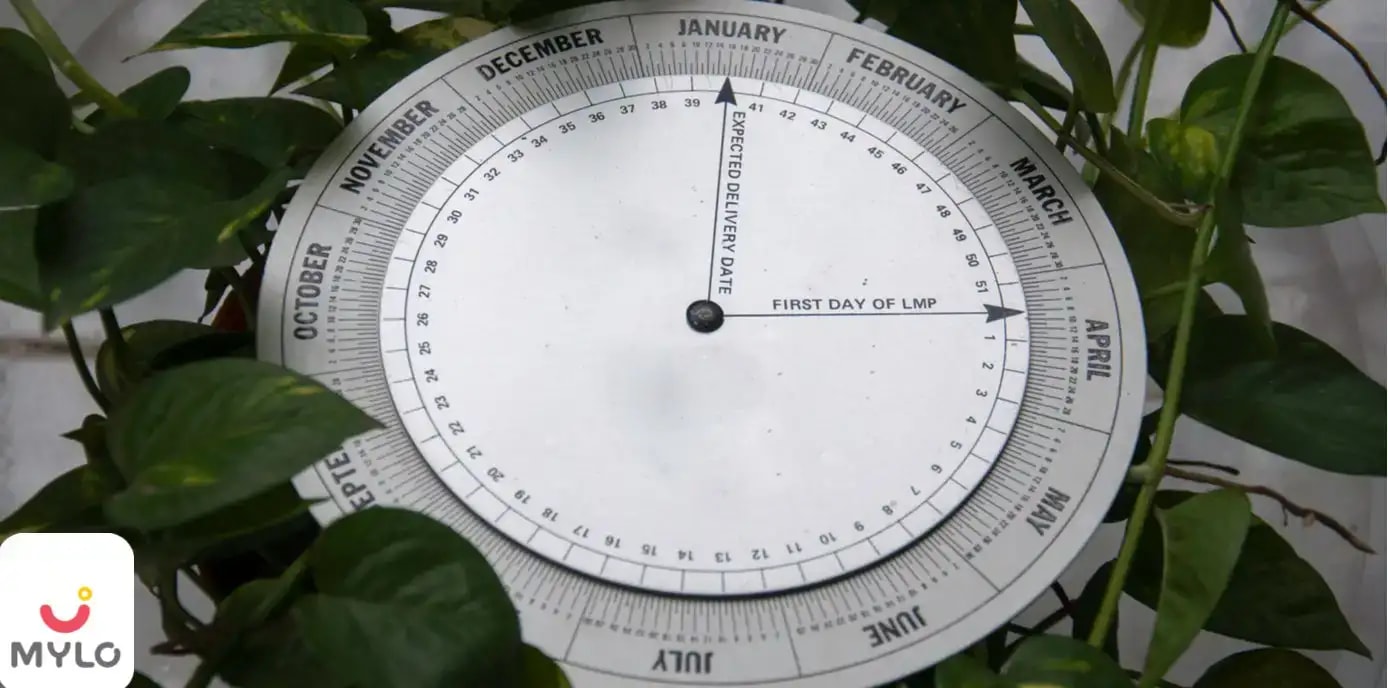
Perhaps the easiest way of tracking ovulation is using an ovulation calculator tool or app wherein you just have to enter the date of your last menstrual period and your average cycle length to get the dates you are most likely to ovulate on.
Remember, each method has its own accuracy and effectiveness, so it's important to choose the one that works best for you.
How to Promote Regular Ovulation?
For women experiencing delay in ovulation or irregular cycles, there are several strategies that can help promote regular ovulation:
1. Maintain a Healthy Weight
Being underweight or overweight can disrupt hormone levels and interfere with ovulation. Maintaining a healthy weight through a balanced diet and regular exercise can help regulate ovulation.
2. Manage Stress
High levels of stress can disrupt the hormonal balance and delay ovulation. Incorporating stress management techniques such as exercise, meditation, and relaxation techniques can help promote regular ovulation.
3. Track Your Menstrual Cycle
Monitoring your menstrual cycle can help identify any patterns or irregularities. Tracking basal body temperature, cervical mucus, and using ovulation prediction kits can provide valuable insights into ovulation timing.
4. Address Hormonal Imbalances
If hormonal imbalances are identified as the cause of delayed ovulation, working with a healthcare professional to address these imbalances can help regulate ovulation.
5. Seek Medical Advice
If attempts to promote regular ovulation are not successful or if there are concerns about fertility, it is advisable to consult with a healthcare professional. They can provide personalized advice and recommend appropriate treatments or interventions.
Women looking to improve their ovulation naturally can also try Mylo's Ovaluna Female Fertility Capsules, which are an effective blend of fertility-boosting supplements like CoQ10, L-methyl folate, zinc, Vitamin D2, Vitamin B12 and shatavari, among others. These ingredients are known to improve egg health and development, maintain hormonal balance, prevent fertility complications and regulate menstrual and ovulation cycle.
Final Thoughts
Delayed ovulation can raise concerns about fertility and the chances of getting pregnant. While it can be challenging, understanding the causes and effects of delay in ovulation can help women navigate this aspect of their reproductive health. By tracking menstrual cycles, addressing underlying causes, and making lifestyle adjustments, women can optimize their chances of conceiving. Remember, each woman's journey to conception is unique, and late ovulation does not define the outcome. With patience, support, and the right resources, many women have successfully conceived and welcomed healthy babies into their lives.
References
1. Reed BG, Carr BR. The Normal Menstrual Cycle and the Control of Ovulation. (2000). In: Feingold KR, Anawalt B, Blackman MR, et al., editors. Endotext [Internet]. South Dartmouth (MA): MDText.com, Inc.
2. Sohda S, Suzuki K, Igari I. (2017). Relationship Between the Menstrual Cycle and Timing of Ovulation Revealed by New Protocols: Analysis of Data from a Self-Tracking Health App. J Med Internet Res
Tags
Late Ovulation in Hindi, Late Ovulation in Tamil, Late Ovulation in Telugu
Trusted by women navigating their fertility journey
Gentle, science-backed support to help balance hormones, nurture egg health and bring rhythm back to your cycle.
Organic Aloe Vera (300 ml)
Nurtures Skin & Hair | Reduces Suntan | Soothes Burns | Enhances Hair Resilience



Article Posted Under
Related Articles



Related Topics
.webp&w=32&q=75)
Medical Disclaimer
This content is for informational purposes only and should not replace professional medical advice. Consult with a physician or other health care professional if you have any concerns or questions about your health. If you rely on the information provided here, you do so solely at your own risk.


AWARDS AND RECOGNITION

Mylo wins Forbes D2C Disruptor award

Mylo wins The Economic Times Promising Brands 2022
AS SEEN IN













- Mylo Care: Effective and science-backed personal care and wellness solutions for a joyful you.
- Mylo Baby: Science-backed, gentle and effective personal care & hygiene range for your little one.
- Mylo Community: Trusted and empathetic community of 10mn+ parents and experts.


Product Categories
Baby Carrier | Baby Soap | Baby Wipes | Stretch Marks Cream | Baby Cream | Baby Shampoo | Baby Massage Oil | Baby Hair Oil | Stretch Marks Oil | Baby Body Wash | Baby Powder | Baby Lotion | Diaper Rash Cream | Newborn Diapers | Teether | Baby Kajal | Baby Diapers Pants | Cloth Diapers | Laundry Detergent | Lactation Granules |