


Orders

Profile

Baby Not Drinking Milk: 8 Reasons & Pediatrician-Approved Solutions
 3 Likes|
 11 min
As a doting parent who showered her love and attention on her little one, Preeti couldn’t help but notice that her baby girl, Anya had started showing signs of fussiness during feedings, turning away from the bottle and refusing to drink milk. After countless hours of research and conversations with pediatricians about baby not drinking milk, she came to realize that many parents encounter similar challenges when their baby refuses to drink milk.
So, whether you're a new parent like Preeti or an experienced caregiver, understanding the potential causes of baby not drinking milk from bottle and breast and learning effective strategies can make all the difference in ensuring our little ones receive the vital nourishment they need to thrive.
Why is my baby refusing to drink breast milk?
Babies may refuse breast milk due to teething pain, ear infection, blocked nose from cold, distraction after 4 months, nursing strike, reduced milk supply, a change in mother's diet (like garlic or onion), or strong-smelling creams on the chest. In Indian babies, growth spurts around 3, 6, and 9 weeks commonly cause temporary feeding fuss.
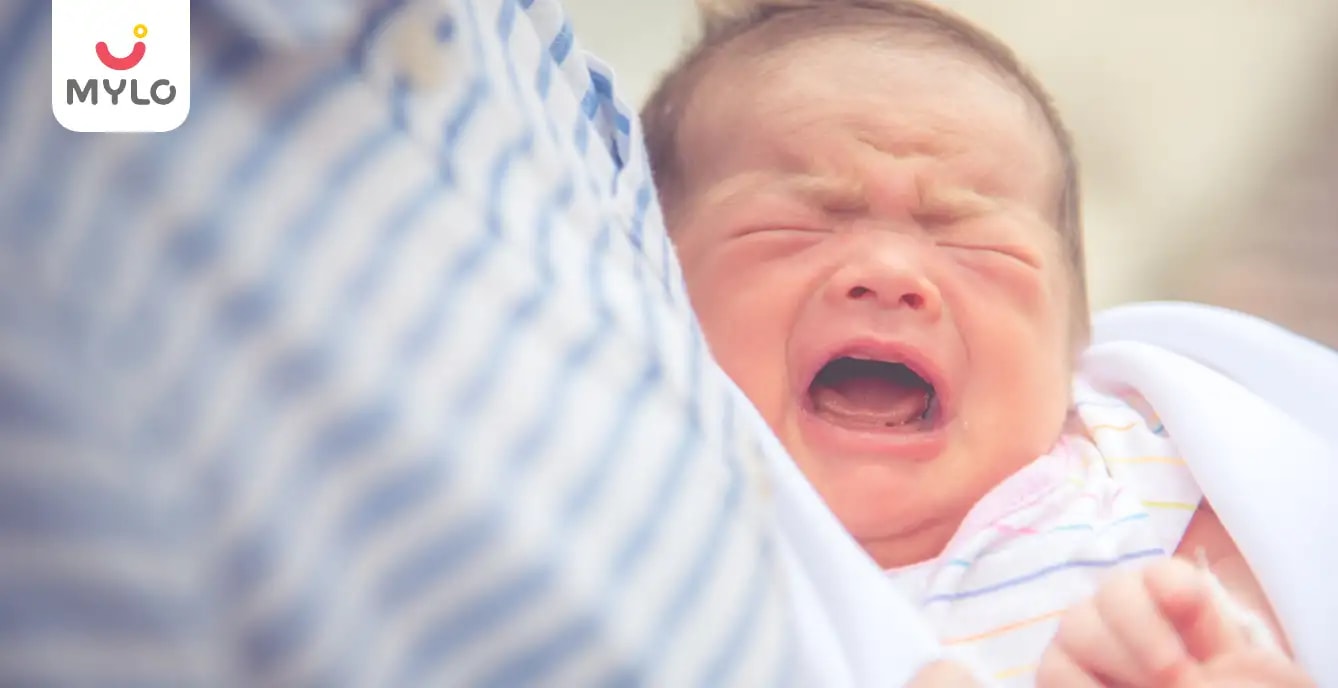
Breast milk is the ideal source of nutrition for newborns, providing them with essential nutrients and antibodies that support their immune system. However, there may be times when you may notice your baby not drinking breast milk and crying.
1. Nipple confusion
One possible reason for this could be nipple confusion. If a baby is introduced to a bottle too early, they may develop a preference for artificial nipples and struggle to latch onto the breast. In such cases, it is important to consult with a lactation consultant who can provide guidance on how to overcome this challenge.
2. Low milk supply
Another reason why a baby may not be drinking breast milk is due to an inadequate milk supply. This can occur when the mother is experiencing stress, fatigue, or is not breastfeeding frequently enough to stimulate milk production. Seeking support from a lactation consultant and increasing milk supply through techniques like pumping and breastfeeding on demand can help.
3. Teething
Babies may experience discomfort or pain while teething, which can make them reluctant to breastfeed. The pressure on their gums can make latching difficult and cause them to refuse to drink breast milk. Soothing their gums with a cold wash cloth or a nibbler can help ease the pain.
4. Changes in milk taste
Certain factors, such as medications, foods, or hormonal changes in the mother, can alter the taste of her breast milk. This change in taste might make the baby hesitant or refuse to drink breast milk. Eliminating responsible medications and foods and taking certain herbs can help remedy this situation.
5. Illness or infections
Babies with conditions like ear infections, colds, or thrush may find it uncomfortable to breastfeed due to pain or discomfort. This can lead to a refusal to drink breast milk. Addressing the underlying problem can help mothers and babies overcome this roadblock.
6. Distraction
Older babies are easily distracted by their surroundings, which can make them lose interest in breastfeeding. They may refuse to nurse if there are interesting noises, objects, or people around. As a result, it’s important to minimise the distractions around your baby.
7. Impatience or slow letdown
Some babies prefer a faster milk flow and may become frustrated if the letdown is slow. This impatience can result in a refusal to drink breast milk. A breast massage, using a breast pump, drinking water or tea and nursing while lying down may help improve milk flow.
Why is my baby refusing to drink from a bottle?
Bottle refusal often stems from nipple flow (too fast or slow), milk temperature (babies prefer 37 degrees C, close to body temperature), unfamiliar formula taste, being offered by the same caregiver who breastfeeds, or plastic/silicone smell. Try a slow-flow silicone teat, a different feeder, or a paladai - a traditional Indian feeding spoon used by many nannies.
If you notice your baby not drinking milk from bottle suddenly, it can be frustrating for parents who rely on this method for feeding.
1. Preference for breastfeeding
One possible reason for this behavior is nipple preference. If a baby is used to breastfeeding, they may struggle with the transition to a bottle due to the difference in nipple shape and flow. It can be helpful to experiment with different bottle nipples, finding one that closely resembles the shape and feel of the mother's nipple.
2. Desire for different nipple flow
Babies may become accustomed to a specific nipple flow from breastfeeding and may not accept a different flow from a bottle. If the flow is too slow or too fast, they may reject the bottle and refuse to drink from it. It’s important to choose a bottle with the right milk flow according to your baby’s preferences.
3. Fullness from solid food
As babies start introducing solid foods into their diet, they may feel full and less inclined to drink milk from a bottle. This can lead to a decrease in their milk intake, resulting in a refusal to drink from the bottle.
4. Discomfort or pain
Another reason why a baby may not be drinking milk from a bottle suddenly is discomfort or pain. Babies may experience ear infections, teething, or other oral issues that make sucking on a bottle painful. If you suspect this to be the case, it is important to consult with a pediatrician who can diagnose and treat any underlying issues.
5. Distractions
Babies can easily get distracted by their surroundings, especially as they grow older and become more aware of their environment. If there are too many distractions around them, they may refuse to drink milk from a bottle and prefer to explore their surroundings instead.
6. Temperature of milk
If the temperature of the milk in the feeding bottle is too hot or cold, then also your baby might refuse to drink milk from it. Ensuring that the temperature of the milk is appropriate and offering the bottle in a calm and comfortable environment can also encourage a baby to drink from a bottle.
When should you worry about your baby not drinking milk?
Consult a paediatrician if the baby refuses feeds for over 8 hours, shows fewer than 6 wet diapers in 24 hours, has a sunken fontanelle, cries without tears, seems lethargic, loses weight, or refuses every feed for more than 2 days. Persistent refusal in babies under 6 months needs urgent evaluation for reflux, thrush, or infection.
While it is common for babies to go through phases where they are less interested in drinking milk, there are certain signs that may indicate a need for medical attention such as:
-
Baby consistently refuses to drink milk for an extended period of time
-
Signs of dehydration such as decreased urine output or dry mouth
-
Sudden change in behavior or appetite
-
Experiences weight loss
In case, you notice the above signs, it is important to consult with a healthcare professional. They can assess your baby's overall health and provide appropriate recommendations and treatment if necessary.
You may also like: Baby Sleeping While Breastfeeding: Understanding the Causes and Solutions
What can you do if your baby refuses breast milk?
Offer the breast in a calm, dimly-lit room, try skin-to-skin contact for 15-20 minutes, use different feeding positions (cradle, football, side-lying), nurse when the baby is drowsy, express a little milk onto the lips, and eliminate perfumes. Keep offering every 2-3 hours; don't force - most Indian babies return to normal feeding within 48 hours.
If your baby is not drinking milk, there are several strategies that can help encourage them to do so such as:
1. Firstly, it is important to create a calm and comfortable feeding environment. Minimize distractions and noise, and ensure that both you and your baby are relaxed.
2. Offering the milk in a familiar and soothing position, such as cradling them in your arms, can also help promote a positive feeding experience.
3. Experimenting with different feeding positions can also make a difference. Some babies may prefer to be held upright or at a slight incline while drinking milk, while others may find comfort in a more reclined position.
4. Introducing a bottle or breast nipple that closely resembles the mother's nipple can also encourage a baby who is refusing to drink milk. These nipples often mimic the shape and texture of the breast, making it easier for babies to transition between breast and bottle.
If you’re looking for such a bottle, then you may consider checking out Mylo’s BPA-free, anti-colic feeding bottles with grooved, breast-like nipples that facilitate easy transition and feeding.
What are common FAQs about a baby not drinking milk?
Indian parents frequently ask if cow's milk can replace breast milk before 12 months (no), whether formula helps if supply drops (supplement only if advised), if gripe water solves feed refusal (it does not), and how long a nursing strike lasts (usually 2-4 days). Always check with a paediatrician before switching feeds.
1. What to do if baby not drinking breast milk and crying?
If your baby is not drinking breast milk and is crying, check for signs of discomfort or illness, such as fever, irritability, or excessive crying. If you suspect that your baby is unwell, it is important to seek medical attention.
2. Why is my baby not drinking milk from bottle suddenly?
It could be due to a change in nipple preference, discomfort or pain while sucking, or a dislike of the taste or temperature of the milk.
3. How to find the best bottle for breastfed baby who refuses bottle?
Look for bottles with nipples that closely resemble the shape and texture of the mother's nipple. There are also bottles specifically designed for breastfed babies that mimic the natural flow and feel of breastfeeding.
The Bottomline
If your baby is not drinking milk, whether it be breast milk or milk from a bottle, it is important to identify the possible reasons behind their behavior and take appropriate steps to encourage them. Nipple confusion, inadequate milk supply, nipple preference, discomfort, or other factors may contribute to a baby not drinking milk. By seeking support from healthcare professionals, experimenting with different feeding positions and nipples, and creating a calm and comfortable feeding environment, you can help ensure your baby receives the nutrition they need for healthy growth and development.
References
1. Jalali F, Kamiab Z, Khademalhosseini M, Daeizadeh F, Bazmandegan G. (2021). Nursing strikes among infants and its affecting factors in Rafsanjan city. J Med Life.
2. Nayyeri F, Raji F, Haghnazarian E, Shariat M, Dalili H. (2015). Frequency of "Nursing Strike" among 6-Month-Old Infants, at East Tehran Health Center and Contributing Factors. J Family Reprod Health.
Why is my baby suddenly refusing milk?
Common reasons: teething pain, illness, ear infection, taste change in breast milk, distraction, or developmental phase. Usually temporary.
How much milk should a 6-month baby drink?
About 600-800 ml per day (breast milk or formula). After starting solids, milk intake naturally decreases slightly.
Baby not drinking milk after vaccination — is it normal?
Yes, common for 1-2 days after vaccination. Baby may have mild fever and reduced appetite. Offer smaller, frequent feeds.
Should I force baby to drink milk?
Never force-feed. It can create negative associations. Offer at regular intervals. Try different positions or temperatures.
When to worry about baby not drinking milk?
See a doctor if baby refuses milk for 12+ hours, shows signs of dehydration (fewer wet diapers, dry mouth), or has persistent fever.
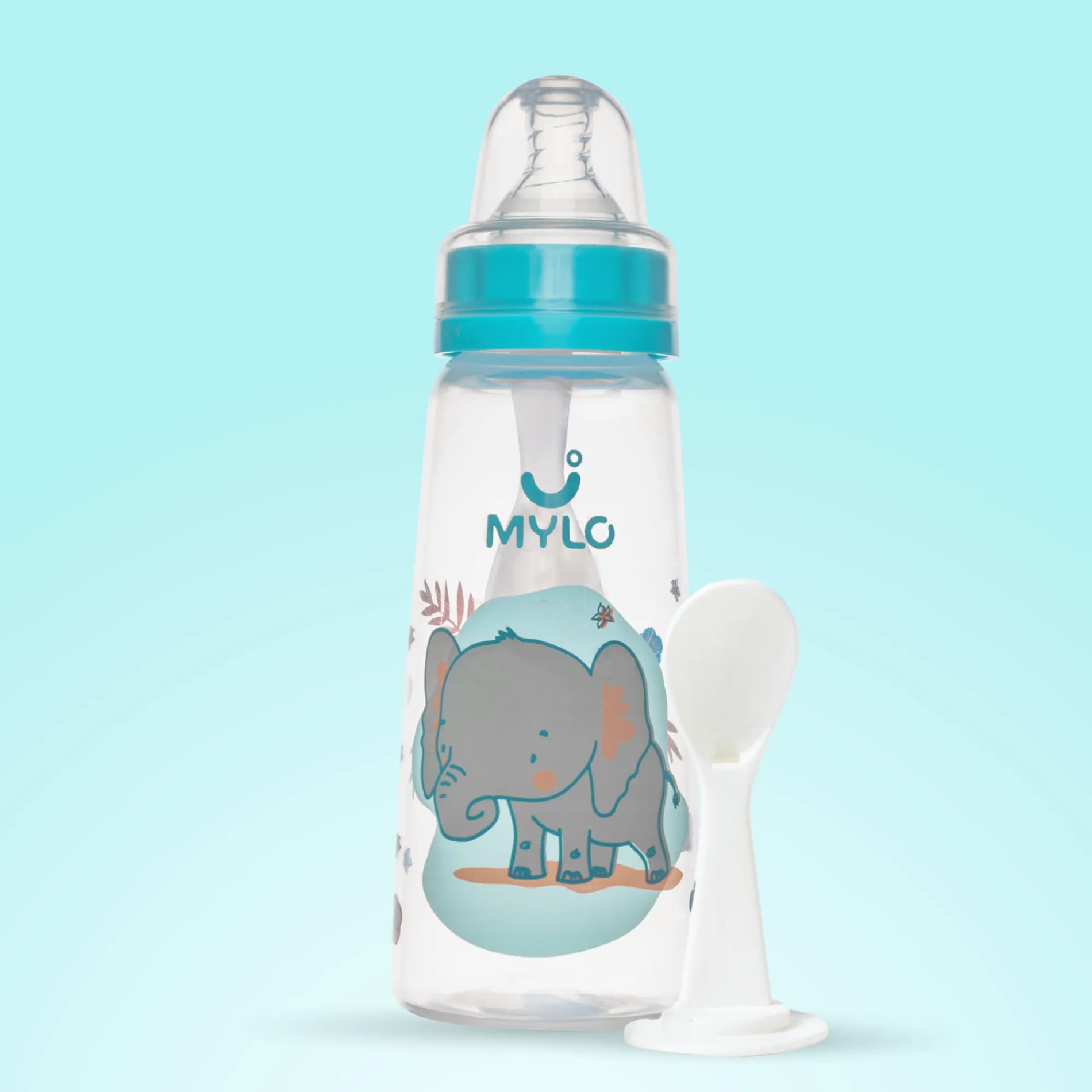
2-in-1 Baby Feeding Bottle (Elephant) - 250 ml
BPA Free with Anti-Colic Nipple & Spoon | Feels Natural Baby Bottle | Easy Flow Neck Design


 Yes
Yes
 No
No
Your parenting partner
in your pocket.
supportive community.

Your parenting partner
in your pocket.
supportive community.


Article Posted Under
Helpful Tools & Calculators

.webp&w=32&q=75)













Anupama Chadha, born and raised in Delhi is a content writer who has written extensively for industries such as HR, Healthcare, Finance, Retail and Tech.
Related Articles
Reviews by Mylo Moms
- Bought when Mother of 9 Months Old Baby
It’s a good product
Mylo ka feeding bottle 🍼 bahutt acha h
Questions about this article
- Asked by Mother of 3 Days Old Baby
Hi , my baby is 4 days old , dont know what is the reason she refusing to drink milk and all the day she is sleeping. Is it a normal behavior or anything serious please help me to understand.
Related Topics
.webp&w=32&q=75)
Recently Published Articles
Your body needs extra nutrition this trimester - these can help.

Maggi During Breastfeeding: Is It Safe? Frequency, Risks & Alternatives
Dry, Chapped Lips During Pregnancy: Causes, Safe Remedies & When to Worry

Popcorn During Pregnancy: Is It Safe? Benefits, Risks & Healthy Options
Cherry During Pregnancy: Is It Safe? Benefits, Risks & Daily Limit
Lemon (Nimbu) in Pregnancy: Is It Safe? Benefits, Risks & Daily Limit
Medical Disclaimer
This content is for informational purposes only and should not replace professional medical advice. Consult with a physician or other health care professional if you have any concerns or questions about your health. If you rely on the information provided here, you do so solely at your own risk.
4.8(649)

AWARDS AND RECOGNITION

Mylo wins Forbes D2C Disruptor award

Mylo wins The Economic Times Promising Brands 2022
AS SEEN IN












- Mylo Care: Effective and science-backed personal care and wellness solutions for a joyful you.
- Mylo Baby: Science-backed, gentle and effective personal care & hygiene range for your little one.
- Mylo Community: Trusted and empathetic community of 10mn+ parents and experts.


Product Categories
Baby Carrier | Baby Soap | Baby Wipes | Stretch Marks Cream | Baby Cream | Baby Shampoo | Baby Massage Oil | Baby Hair Oil | Stretch Marks Oil | Baby Body Wash | Baby Powder | Baby Lotion | Diaper Rash Cream | Newborn Diapers | Teether | Baby Kajal | Baby Diapers Pants | Cloth Diapers | Laundry Detergent | Lactation Granules |